
There are some skincare ingredients that make people wary purely because of their names. Acids fall right into this category. The word itself suggests something harsh, stripping, potentially damaging.
But once you understand exactly what these ingredients do and how they work at a cellular level, you'll see why even sensitive skin can benefit from the right acid at the right concentration. Especially when it's formulated with barrier support and soothing actives built in.
Here's your comprehensive guide to skincare acids: AHAs, BHAs, and PHAs. What they do, how they differ, and which ones actually work for sensitive skin.
What are acids in skincare?
When we talk about 'acids' in skincare, we're specifically referring to exfoliating acids. These work by breaking down the bonds between dead skin cells, encouraging natural cell turnover and revealing fresher skin beneath.
The most common 'acid' you'll have heard of is Hyaluronic Acid. Despite the name, this hydrating humectant isn't really an acid at all. It doesn't exfoliate. It attracts and holds moisture. True exfoliating acids are different beasts entirely.
Exfoliating acids fall into three main categories: AHAs, BHAs, and PHAs. The key difference? Molecular size and oil solubility. Smaller molecules penetrate deeper. Oil-soluble acids can work inside pores. Water-soluble acids work on the surface. Each has its place.
AHAs (Alpha Hydroxy Acids)
Alpha hydroxy acids are water-soluble exfoliants that work primarily on the skin's surface. They're particularly effective for dry, dull skin that needs brightening and smoothing.
The molecular size spectrum
Glycolic Acid has the smallest molecules of all AHAs. Derived from sugar cane, it penetrates deeper than its cousins, making it powerful for evening skin tone and texture. But that penetration can also mean more irritation for sensitive types.
Lactic Acid and Malic Acid have larger molecules. They work more gently, hydrating while they exfoliate. Lactic acid actually helps skin retain moisture while removing dead cells. It's where many sensitive skin types find their sweet spot.
Citric Acid and Tartaric Acid sit somewhere in the middle. Beyond exfoliation, they act as antioxidants, fighting free radicals that accelerate ageing. Our Stabilised Vitamin C 20% Booster harnesses ascorbic acid's antioxidant power in a stable, non-irritating oil format.
Then there's Mandelic Acid. With the largest molecules of all AHAs, it's the gentlest option. Uniquely, it's also oil-attracted, helping dissolve sebum and makeup. Perfect for oily or acne-prone sensitive skin.
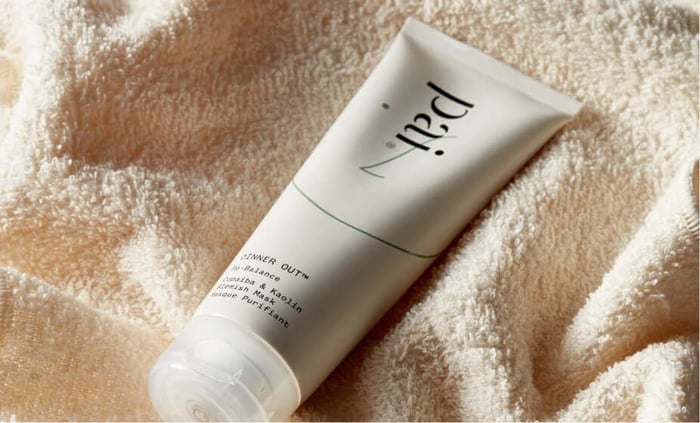
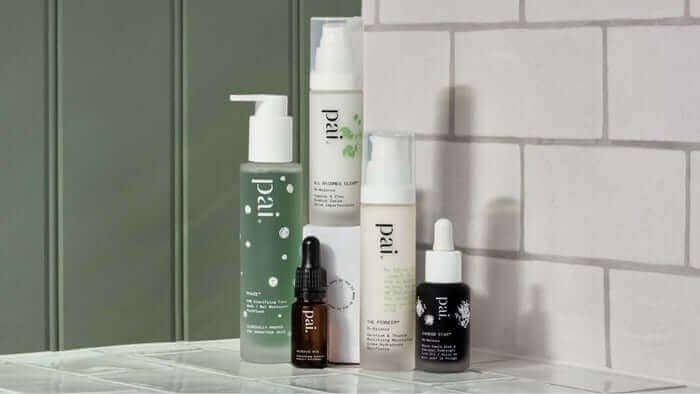
If you want to test AHAs on sensitive skin, start with Dinner Out Instant Calm Face Mask. It contains Pink Pomelo Extract, naturally composed of citric, malic and tartaric acids. Combined with blemish-fighting Copaiba, oil-absorbing Kaolin Clay, and barrier-supporting Prebiotic Inulin, it exfoliates without compromising your skin's defences.
BHAs (Beta Hydroxy Acids)
There's only one BHA: Salicylic Acid. What makes it special is its oil solubility. While AHAs sit on the surface, salicylic acid dives into oil-filled pores, dissolving the keratin-and-sebum plugs that cause blackheads and breakouts.
Published research shows salicylic acid works through multiple pathways. It disrupts the bonds between dead skin cells (desmolytic action). It reduces sebum production at the cellular level. It calms inflammation by suppressing inflammatory pathways. And it has antimicrobial properties against acne-causing bacteria.
The challenge? Most salicylic acid products are formulated for oily skin first, sensitive skin as an afterthought. They use alcohol or harsh solvents that strip and irritate.
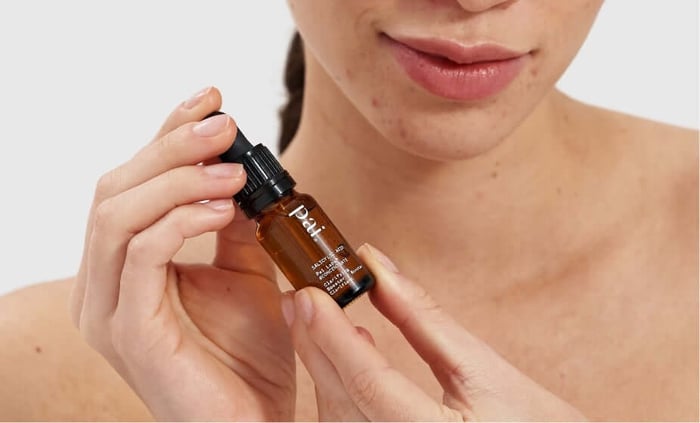
We formulated our Salicylic Acid 2% Booster differently. At the maximum over-the-counter concentration, it delivers full clarifying power. But we use dual-source natural salicylic acid (from wintergreen and white willow bark), cushion it with organic chamomile water, add hydrating glycerin, and include Prebiotic Inulin to protect your microbiome while clearing blemishes.
The booster format lets you control the dose. One drop mixed into moisturiser for a gentle introduction. Two drops applied directly for maximum effect. You decide what your skin can handle each day.
PHAs (Polyhydroxy Acids)
Polyhydroxy acids are the newest generation of exfoliating acids. With much larger molecules than AHAs or BHAs, they work exclusively at the surface level. No deep penetration means minimal irritation potential.
The most common PHAs are Gluconolactone, Galactose, and Lactobionic Acid. Research shows gluconolactone provides the same smoothing and clarifying benefits as glycolic acid, but without the stinging, burning, or increased sun sensitivity.
PHAs also function as humectants, attracting moisture while they exfoliate. It's the gentlest possible introduction to acid exfoliation.
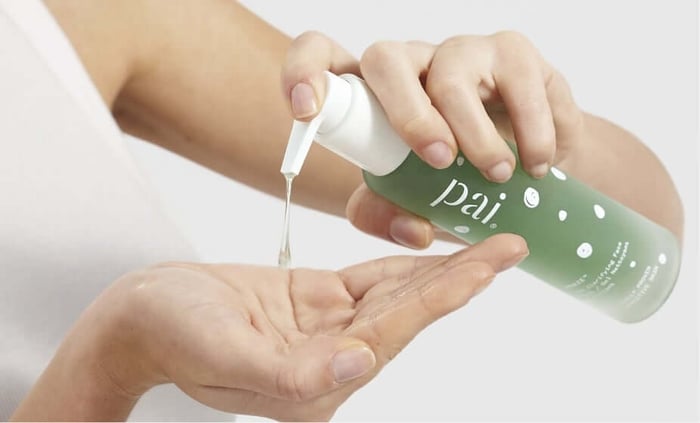
PHAZE PHA Clarifying Face Wash harnesses gluconolactone in a foaming gel cleanser. It decongests and clarifies without stripping, using plant-derived surfactants instead of sulfates. The PHA provides gentle daily exfoliation while NMF Sugar Complex binds to your skin, continuing to hydrate for up to 72 hours after rinsing. Prebiotic Inulin keeps your microbiome balanced throughout.
Building acids into your routine
Start slowly. Once a week is plenty when introducing any acid. A wash-off product like a cleanser or mask is gentler than leave-on formulas. Boosters give you complete control over concentration.
As your skin adapts, you can increase frequency. Daily PHA cleansing often works well. BHA boosters might suit twice weekly. Masks can be your weekly reset.
Listen to your skin. Tightness, stinging, or increased sensitivity means pull back. The goal is gentle, consistent exfoliation that supports your skin barrier, not challenges it.
Layering acids with care
Can you use multiple acids? Yes, but strategically. PHAZE cleanser in the evening, followed by Salicylic Acid Booster on congested areas, works brilliantly. The PHA provides surface exfoliation. The BHA goes deeper into pores.
Dinner Out mask once weekly adds AHA benefits without overloading your routine. But don't use the Salicylic Acid Booster and face mask on the same night. Space them out.
Always support your barrier when using acids. Century Flower Barrier Defence Mist with microbiome-supporting inulin helps maintain resilience. Follow with ceramide-rich moisturisers. Never forget SPF during the day.
Which acid for which concern?
For congested pores and blackheads: BHA (Salicylic Acid) is your answer. Its oil solubility lets it work inside pores where blockages form.
For dull, uneven skin tone: AHAs brighten and smooth. Start with lactic or mandelic acid if you're sensitive.
For texture and gentle clarifying: PHAs offer the safest route. Perfect for daily use, even on reactive skin.
For combination concerns: Layer strategically. PHA cleanser daily, BHA booster on oily zones, AHA mask weekly.
The truth about acids and sensitive skin
Acids aren't the enemy of sensitive skin. Poor formulation is. When an acid is cushioned with soothing actives, delivered at the right pH, in the right format, at a concentration your skin can handle, it becomes a tool for healthier skin. Not a threat to it.
The key is choosing products designed for sensitive skin from the start. Not adapted as an afterthought. Products that see sensitive skin as the primary design constraint, not a marketing checkbox.
That's exactly how we formulate at Pai. Every acid product in our range was created specifically for skin that reacts. Because we believe everyone deserves the benefits of modern skincare chemistry. Especially those whose skin makes them nervous to try.
Ready to try acids the sensitive skin way? Book a free online skin consultation and we'll create your personalised routine.
Frequently Asked Questions
What is the difference between AHA, BHA and PHA acids in skincare?
The key difference is molecular size, which determines how deeply each acid penetrates. AHAs are water-soluble and vary in size, making them best for dry or dull skin. BHA (salicylic acid) is oil-soluble with small molecules that penetrate deep into pores to clear congestion, making it ideal for oily or blemish-prone skin. PHAs have the largest molecules, so they work only at the surface and are generally the most compatible with sensitive skin.
Which exfoliating acid is best for sensitive skin?
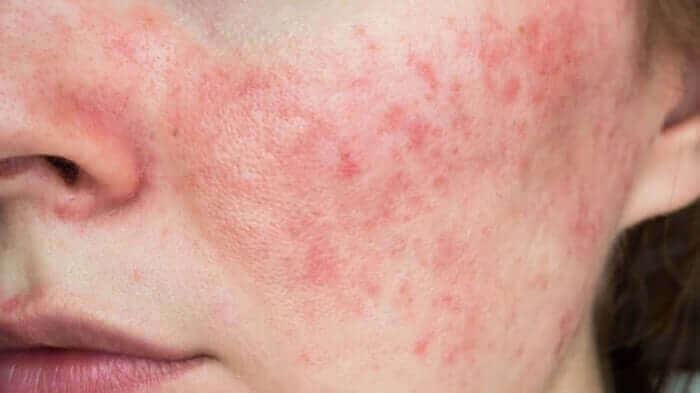
PHAs (polyhydroxy acids) like gluconolactone are your safest starting point. Their larger molecular size means they exfoliate at the surface without penetrating deep enough to cause stinging or irritation. Pai's Phaze PHA Clarifying Face Wash uses gluconolactone to gently exfoliate while leaving skin hydrated, and published research confirms gluconolactone as an ingredient is compatible with clinically sensitive skin types including rosacea and atopic dermatitis.
Can you use salicylic acid on sensitive skin without irritation?
Yes, if it's formulated thoughtfully. Pai's Salicylic Acid 2% Clarifying Booster delivers the maximum over-the-counter concentration but cushions it with organic chamomile water to soothe, organic glycerin to hydrate, and prebiotic inulin to support your skin's microbiome. The booster format also lets you control your dose, starting with a single drop blended into your moisturiser and building up as your skin adjusts.
How often should you use exfoliating acids in your skincare routine?
Start with once a week and slowly increase as your skin adjusts. A wash-off product like an exfoliating cleanser is the gentlest entry point for daily use, while leave-on treatments like a salicylic acid booster or exfoliating face mask work best limited to once or twice a week so you don't overwhelm sensitive skin.
Can you mix AHAs, BHAs and PHAs together in the same routine?
You can, once your skin is comfortable with acids individually. For example, Phaze (a PHA cleanser) can be used daily alongside a salicylic acid booster and an AHA face mask. The key is not to use the more intensive treatments every day; keep boosters and masks to once or twice a week while the gentle PHA cleanser handles daily exfoliation.