
Most clay masks strip sensitive skin bare. Here's why some clays work and others leave you red and flaky.
Not all clays are created equal. Some pull moisture along with impurities. Others tighten so aggressively they trigger inflammation. And a few work brilliantly on resilient skin but turn reactive complexions into red, flaky disasters.
Each clay works differently on sensitive skin. Some help. Others hurt. This is what actually happens.
Bentonite: The Overachiever That Goes Too Far
Bentonite clay carries a negative electrical charge. Mix it with water and it becomes a magnet for positively charged particles: dirt, oil, pollution, bacteria. The execution on sensitive skin? Too aggressive.
This volcanic ash derivative pulls so powerfully it doesn't discriminate between excess oil and essential moisture. On acne-prone skin with decent barrier function, that aggressive extraction can help. On sensitive skin, it strips the protective lipid layer and triggers inflammation.
If your skin feels like shrink wrap after cleansing, bentonite is probably the culprit.
Kaolin: The Gentle Option
White kaolin works where other clays fail. Finely milled with a larger particle size than bentonite, it absorbs oil without the aggressive pull. It absorbs surface oil without pulling moisture from deeper layers.
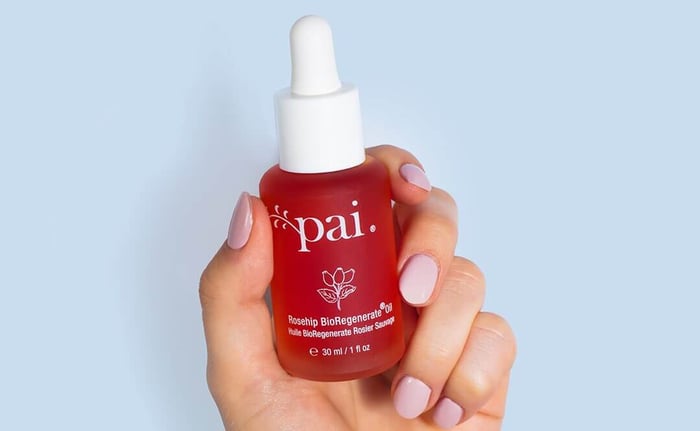
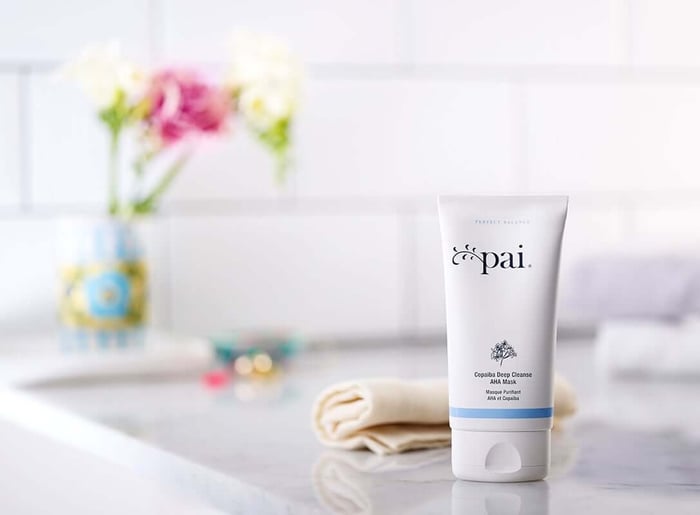
The mineral structure of kaolin allows it to bind to excess sebum while leaving your skin's natural oils intact. It's why we chose white kaolin for both our Copaiba Deep Cleanse AHA Mask and Rosehip BioRegenerate Rapid Radiance Mask. The clay lifts impurities while other ingredients (copaiba for anti-inflammatory action, rosehip for barrier repair) do the real work.
Pink and yellow kaolin variations exist too, each with slightly different mineral content, but white remains the gentlest option for reactive skin.
French Green Clay: For Oily Skin Only
That distinctive green colour comes from decomposed plant matter and iron oxide. French clay doesn't just absorb oil, it stimulates circulation, creating a tingling sensation as blood rushes to the surface.
On robust, oily skin, that boost in microcirculation can be beneficial. Fresh blood brings oxygen and nutrients while carrying away metabolic waste. But sensitive skin interprets that same stimulation as irritation. The result: redness, heat, and sometimes broken capillaries.
If your skin flares from hot water or exercise, French clay will likely trigger the same response.
Rhassoul Clay: The Moroccan Middle Ground
Mined from ancient lake beds in the Atlas Mountains, rhassoul clay has an unusual property: it swells when mixed with water, creating a gel-like consistency rather than a paste. This makes it less drying than other clays despite its strong negative charge.
The high silica and magnesium content helps explain why skin feels soft rather than stripped after use. Rhassoul binds to impurities through ion exchange but releases minerals back into the skin. It's still too much for very reactive skin, but those with mild sensitivity often tolerate it well.
Traditional Moroccan hammam treatments combine rhassoul with rose water or argan oil to further offset any drying effects.
Fuller's Earth: The One to Avoid Completely
Fuller's earth earned its name from textile workers who used it to absorb lanolin from wool. That should tell you everything about its oil-absorbing power. This clay doesn't just remove excess sebum, it actively seeks out every trace of oil on your skin.
Some formulations tout fuller's earth for hyperpigmentation because of its mild bleaching properties. But that "bleaching" comes from extreme drying that disrupts melanin distribution. For sensitive skin already prone to post-inflammatory hyperpigmentation, it's counterproductive.
For sensitive skin, it's overkill.
How to Clay Mask Without the Drama
Even the gentlest clay needs proper application to avoid irritation:
Keep it brief. Five minutes is enough for kaolin on sensitive skin. That "leave until completely dry and cracking" instruction causes unnecessary irritation. Clay continues absorbing as long as it's wet. Once dry, it's just sitting there dehydrating your skin.
Layer strategically. Apply clay only to oily zones (usually T-zone) and use a hydrating mask on dry areas. Apply clay only where you actually need oil control.
Remove gently. Soak a muslin cloth in lukewarm water and press it against the mask to rehydrate before wiping. Scrubbing dried clay off sensitive skin causes micro-tears.
Follow with barrier repair. Clay masks, even gentle ones, temporarily disrupt your skin barrier. Apply a ceramide-rich moisturiser immediately after to restore lipid balance.
The Science of Sensitive-Friendly Clay Formulation
What makes one clay mask harsh and another gentle isn't just the clay type. It's the entire formula. pH levels, particle size, additional ingredients, and even the liquid base all affect how clay interacts with sensitive skin.
Our approach combines white kaolin with ingredients that counteract its drying potential. In the Copaiba mask, zinc PCA provides antimicrobial action without irritation, while copaiba resin (hence the name) delivers powerful anti-inflammatory compounds. The Rosehip Radiance Mask pairs kaolin with our CO2-extracted rosehip oil, which contains 700% more antioxidants than cold-pressed versions to support barrier function during cleansing.
The result: clay's clarifying benefits without the tight, angry aftermath.
When to Skip Clay Entirely
Sometimes the best clay for your skin is no clay at all. If you're experiencing active eczema, rosacea flares, or compromised barrier function, even gentle kaolin can exacerbate inflammation.
Oil cleansing offers deep pore cleansing through a completely different mechanism. Like dissolves like, so plant oils can break down sebum and makeup without disrupting your skin's protective layer. For many with sensitive skin, this becomes the better long-term solution.
Clay has its place in skincare, even for sensitive types. But that place is carefully chosen, properly formulated, and never forced. Your skin will tell you what works. Pay attention to how it feels the next day, not just immediately after.