
Facial Rosacea: Understanding the Flush Behind the Frustration
Your cheeks have terrible timing. Just as you're getting ready for that big meeting, they decide to stage their own rebellion. Red, blotchy, burning. This is facial rosacea, a condition that sends 13% of sufferers into social hiding, according to dermatological research.
Rosacea is sneaky. It often masquerades as adult acne or gets dismissed as "just sensitive skin" for years before proper diagnosis. Many people don't develop symptoms until their 40s, when hormone shifts and accumulated sun damage create the perfect storm for those telltale flushes.
Recognising facial rosacea: beyond the blush
True rosacea goes deeper than occasional redness. The condition presents as persistent flushing across the cheeks, nose, and forehead, often accompanied by visible blood vessels, bumpy texture, and a burning sensation that no amount of cold water can calm.
What triggers these flare-ups? Everything from spicy food to stress, hot showers to cold wind. Some sufferers find their skin reacts to seemingly innocent things: a glass of red wine, a workout, even certain skincare ingredients meant to help.
The psychological impact hits hard. When your face broadcasts your emotions before you've said a word, when makeup becomes armour rather than enhancement, it's no wonder so many rosacea sufferers retreat from social situations.
Natural vs organic: cutting through the cosmetic confusion
For reactive skin, this distinction matters more than you might think. The terms "natural" and "organic" get thrown around like confetti in the beauty industry, but without regulation, they're often meaningless.
A product can legally claim to be "natural" with just 1% plant-derived ingredients. "Organic" faces similar issues. Big brands have faced lawsuits in the US for false organic claims, yet European cosmetics remain largely unregulated in their use of these terms.
So how do you spot genuine organic skincare? The answer lies in third-party certification. The gold standard remains the Soil Association COSMOS certification, which demands over 70% organically farmed and extracted ingredients. No greenwashing, no creative mathematics with percentages. Just verified organic content that does what it claims.
Calming the storm: ingredients that actually work
When rosacea strikes, not all natural ingredients are created equal. Chamomile, particularly German chamomile CO2 extract, contains azulene compounds that actively reduce inflammation at the cellular level. Unlike water-based extracts that lose potency, CO2 extraction preserves these anti-inflammatory molecules intact.
Rosehip oil brings its own arsenal: natural trans-retinoic acid that helps regulate cell turnover without the irritation of synthetic alternatives. The key is extraction method. Our Rosehip Bioregenerate uses CO2 supercritical extraction, independently verified to deliver 700% more antioxidants than cold-pressed versions.
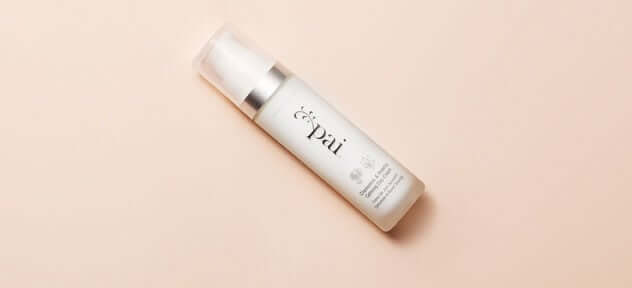
But ingredients alone don't solve rosacea. Strengthening the skin barrier matters just as much as calming inflammation. Products like our The Anthemis work on both fronts: immediate redness reduction plus long-term barrier repair to make future flushes less severe.
The rosacea reality check
Rosacea is a chronic condition, and we need to be honest about that. No cream, however brilliant, makes it disappear forever. What good skincare can do is reduce frequency and severity of flares, strengthen skin resilience, and restore some confidence when your complexion feels completely out of control.
For severe cases, dermatologists may recommend prescription treatments. These have their place. But for the daily management that keeps rosacea in check, gentle, genuinely organic skincare often proves more sustainable than aggressive interventions.
The bottom line? Understanding your triggers, choosing certified organic products that won't add to the inflammation, and building a barrier-strengthening routine can transform rosacea from a social prison to a manageable quirk. Your skin might still flush, but at least you'll know exactly what you're putting on it. And that's half the battle won.