
Dehydration plays tricks on your skin. It'll convince oily skin to pump out more oil, make sensitive skin angrier than usual, and draw fine lines on skin that was smooth yesterday. The confusion starts because dehydration isn't about your skin type. It's about water.
Here's the difference: your skin type is genetic programming. Oily, dry, combination, sensitive—that's how your skin behaves on autopilot. But dehydration is a temporary water shortage that can hit any skin type. Even the oiliest skin can be desperately thirsty.
The signs change depending on your starting point. Here's what to watch for.
Normal skin: when balance tips
Balanced skin announces dehydration clearly. That comfortable, just-right feeling disappears overnight. Your face feels tight, like it's shrunk a size. Fine lines appear where there weren't any before—usually horizontal ones across the forehead and around the eyes. The skin looks papery and thin. Dark circles deepen. Everything seems slightly sunken, as if someone let the air out.
The good news? Normal skin bounces back quickly once you restore hydration. A few days of the right routine and those temporary lines vanish.
Dry skin: doubling down on discomfort
Dry skin already lacks oil, so when it also lacks water, things get uncomfortable fast. The usual dullness becomes proper greyness. Those fine dehydration lines show up more dramatically because the skin is naturally thinner. They're deeper, more visible, especially around the eyes and mouth.
The tricky part: it's easy to mistake dehydration for just more dryness. But slathering on heavier creams won't fix a water problem. You need hydration first, then seal it in.
Oily skin: the confusion zone
This is where dehydration gets sneaky. Your skin senses the water shortage and panics, producing even more oil to compensate. Suddenly you're both tight and greasy. Flaky patches appear alongside shine. Fine lines show through the oil slick.
It feels wrong to add hydration when your face is already shiny, but that's exactly what dehydrated oily skin needs. Water-based hydrators that sink in fast, not more oil-stripping products that make the cycle worse.
Sensitive skin: everything amplified
Dehydration strips away your skin's protective buffer. For sensitive types, that means every irritant hits harder. Redness increases. Products that never bothered you suddenly sting. Random breakouts appear because the compromised barrier can't keep bacteria out.
The skin becomes hypersensitive, reacting to temperature changes, fragrances, even water. It's not just uncomfortable. It's unpredictable.
The pinch test that tells all
Still unsure? There's a simple test. Gently pinch the skin on your cheek, lifting it slightly. Let go. Hydrated skin bounces back immediately. Dehydrated skin takes its time, staying tented for a moment before slowly settling.
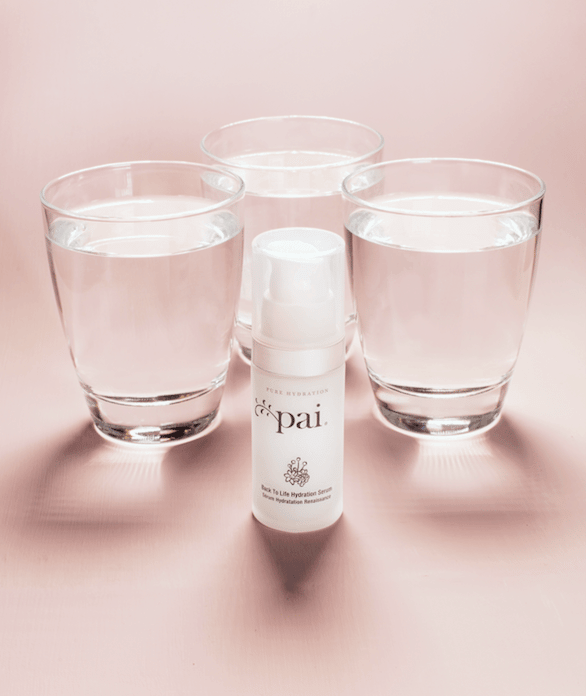
The fix starts with understanding that dehydration needs water, not just moisture. Look for hyaluronic acid that pulls water into the skin. The Impossible Glow does double duty: bronze and hydrate with hyaluronic acid that binds up to 1,000 times its weight in water.
For an instant hydration boost, try a hydrating mask that delivers concentrated moisture in minutes. Follow with a ceramide-rich moisturiser to lock everything in.
Whatever your skin type, dehydration is fixable. Sometimes in days, always in weeks. The key is recognising the signs and responding with water, not just more of whatever you're already using.