The Truth About Alcohol in Skincare (And Why We're So Particular)
Alcohol is one of the biggest culprits behind sensitive skin reactions, and most people have no idea they're using it every day.
The drying alcohols you want to avoid show up as 'alcohol denat.', 'ethanol' or 'ethyl alcohol' on labels. These ethyl alcohols strip natural oils, trigger irritation, and can set off rosacea flares. They even block vitamin A absorption, which accelerates skin ageing.
You'll find these alcohols everywhere, especially in "natural" products that use them as preservatives or to make fragrances last longer. The catch? They only work in massive concentrations. For alcohol to preserve a product, you need up to 20% of the stuff. That's why it often appears near the top of ingredient lists.
Here's where it gets interesting
Not all alcohols are troublemakers. They're a massive family of ingredients with completely different personalities and purposes.
The alcohols we use belong to a group called fatty alcohols. Cetearyl alcohol and stearyl alcohol are the opposite of their drying cousins. These waxy substances come from coconut and actually moisturise skin while helping our formulas feel silky rather than greasy.
Think of it this way: calling all alcohols drying is like saying all oils are comedogenic. It's the type that matters, not the category.
How to spot the difference
The problematic ones:
• Alcohol denat. (denatured alcohol)
• Ethanol
• Ethyl alcohol
• Isopropyl alcohol
• SD alcohol
The helpful ones:
• Cetyl alcohol
• Cetearyl alcohol
• Stearyl alcohol
• Behenyl alcohol
If you see these fatty alcohols in our The Anthemis or other moisturisers, they're there to create that perfect texture and boost moisture. Nothing to worry about.
Our alcohol policy
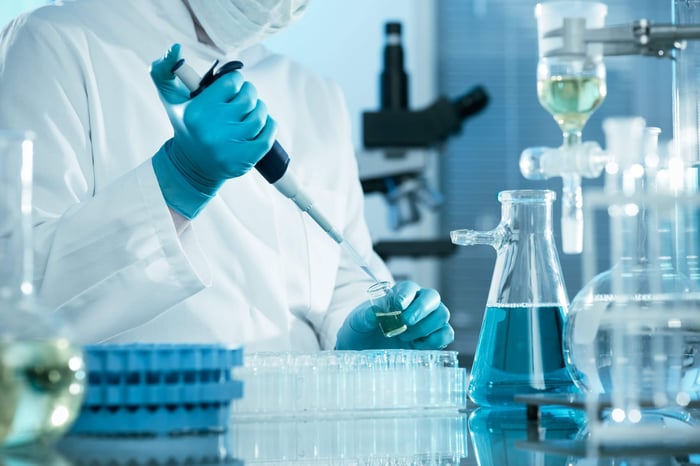
We're so committed to avoiding drying alcohols that we only keep ethyl alcohol in the lab for one purpose: disinfecting work surfaces. That tells you everything you need to know about how we feel about putting it on skin.
Every Pai product is formulated without a single drop of drying alcohol. Instead, we preserve naturally with intelligent pH balance, airless packaging, and careful selection of self-preserving ingredients. It's more work, but your skin notices the difference.
If you're dealing with sensitivity, redness, or unexplained irritation, checking for drying alcohols is one of the first detective steps we recommend. You might be surprised how many "gentle" products are anything but.