
Eye cream divides opinion like no other skincare product. Half swear by their precious 15ml pots. The other half suspect it's just face cream repackaged at triple the price.
The skin around your eyes is up to ten times thinner than the rest of your face. It lacks sebaceous glands entirely. It moves more than any other facial area (22 muscles working overtime every time you smile, squint, or express surprise). And it shows every late night, every allergen, every year that passes.
So while your facial moisturiser might be perfect for your cheeks and forehead, it's often too heavy, too rich, or simply not targeted enough for the eye area's unique challenges. That's where a dedicated eye cream earns its place in your routine.
Why facial moisturiser isn't enough for your eyes
Your facial moisturiser is formulated for skin that has its own oil production, a thicker dermis, and different concerns. The eye area plays by completely different rules:
It's structurally different. Without sebaceous glands, the eye area can't self-moisturise. The dermis is paper-thin, making blood vessels more visible (hello, dark circles) and structural breakdown more obvious (fine lines appear here first).
It needs lighter textures. Heavy creams that work beautifully on your cheeks can overwhelm the delicate eye area, causing puffiness or milia (those tiny white bumps that refuse to budge).
It reacts to different ingredients. What's perfectly fine on the rest of your face might trigger irritation around your eyes. Even if you don't have sensitive skin generally, the eye area often does.
It has specific concerns. While your facial moisturiser might target dehydration or breakouts, your eyes need help with fine lines, puffiness, dark circles, or chronic dryness.
How to apply eye cream (the right way)
Most people use too much eye cream and apply it in all the wrong places. The technique that actually works:
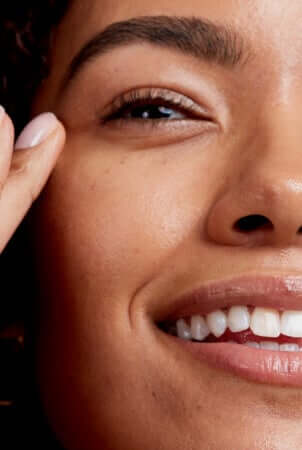
1. Less really is more. A pea-sized amount covers both eyes. Any more and you're asking for puffiness.
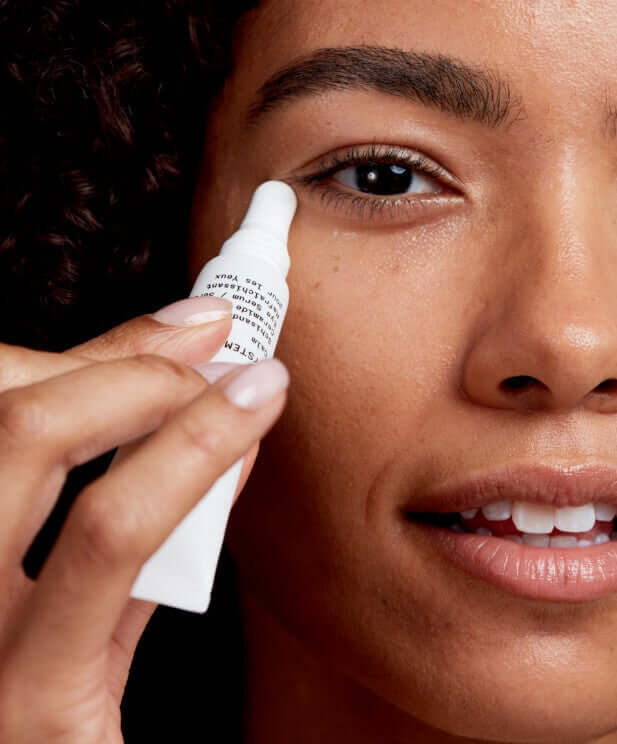
2. Use your ring finger. It's your weakest finger, which means less tugging on fragile skin. Dot the product along your orbital bone (the bony ridge around your eye socket).
3. Pat, don't rub. Gently tap the cream in using a light patting motion. The warmth of your finger helps absorption while the tapping boosts circulation.
4. Stay on the bone. Never apply cream directly to your eyelid or too close to your lash line. The product will migrate upward on its own.
5. Order matters. Eye cream goes on after cleansing and toning but before your serum and moisturiser. Think lightest to heaviest texture.
Morning or night? Both work, though you might prefer a lighter serum texture for daytime (it sits better under makeup) and a richer cream for overnight repair.
Choosing the right eye cream for your concerns
Not all eye creams are created equal. The best one for you depends entirely on what you're trying to achieve.
For fine lines and loss of firmness
Fine lines around the eyes happen when structural proteins break down faster than your skin can replace them. You need ingredients that stimulate regeneration, not just surface hydration.
Look for Echium seed oil, a remarkably effective but underused ingredient. Clinical studies show it increases production of three key structural proteins: fibrillin-1 (which connects your dermis to epidermis), pro-collagen-1 (the precursor to firm skin), and decorin (which organises collagen properly). One study found a 30.6% reduction in wrinkle depth after 28 days of echium application.
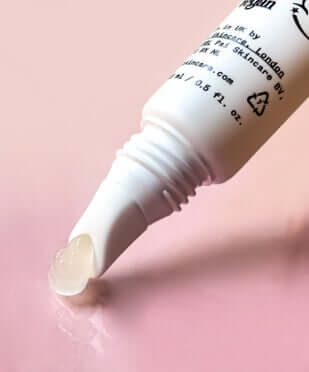
Our Feather Canyon combines this powerhouse ingredient with multi-weight hyaluronic acid for hydration at different skin depths. The precision tip means you dispense exactly the right amount, and the fragrance-free formula won't irritate even the most reactive eyes.
For dark circles
Dark circles rarely have just one cause. Sometimes it's genetics. Sometimes it's the blood vessels showing through thin skin. Often it's a combination of poor circulation, hyperpigmentation, and loss of volume creating shadows.
The solution starts with improving circulation. When you apply any eye cream, use gentle tapping motions or a Gua Sha tool to boost blood flow. Choose lightweight formulas that won't weigh down already-thin skin.
Ingredients matter too. Vitamin C helps with pigmentation, caffeine constricts blood vessels to reduce darkness, and plumping ingredients like hyaluronic acid can minimise the hollow appearance that creates shadows. Always wear SPF during the day to prevent further pigmentation.
For puffiness
Morning puffiness usually means fluid retention. Late-night salt, alcohol, allergies, or simply sleeping flat can all cause fluid to pool in the eye area overnight.
Cool temperatures help. Store your eye cream in the fridge for an instant depuffing effect. Look for ceramides, which strengthen the skin barrier and help regulate fluid balance. Gentle lymphatic massage as you apply helps move stagnant fluid.
For chronic puffiness that doesn't respond to topical treatment, see a dermatologist. It could indicate allergies or other underlying issues that need addressing.
For dryness and sensitivity
Remember how the eye area lacks oil glands? That makes it prone to chronic dryness regardless of your overall skin type. Dry, flaky patches around the eyes need gentle but effective intervention.
Choose creams with lightweight plant oils that won't overwhelm the area. Argan oil delivers vitamin E and fatty acids without heaviness. Rosehip CO2 extract provides omegas for barrier repair. Multi-molecular hyaluronic acid hydrates at different levels.
Avoid anything with fragrance or essential oils, even if you tolerate them elsewhere on your face. Feather Canyon ticks all these boxes: nourishing oils, no irritants, and a texture that hydrates without overloading.
The verdict on eye cream
Do you absolutely need a separate eye cream? If your facial moisturiser is incredibly gentle, fragrance-free, and lightweight, you might get away with using it carefully around your eyes. But for most of us, the eye area's unique structure and concerns deserve a targeted approach.
A good eye cream isn't just moisturiser in a smaller pot. It's formulated specifically for skin that's thinner, more reactive, and showing different signs of stress than the rest of your face. When you find the right one, the difference is visible: smoother texture, less puffiness, fewer pronounced lines.
Book a free consultation with our skin coaches for personalised advice. Or if you know what you need, shop our eye care collection to find your perfect match.
For more on building an effective routine, check out our guide to 5 ways to use your Echium & Argan Eye Cream or learn about why Echium is a smoothing powerhouse for ageing skin.
Frequently Asked Questions
Why can't I just use my regular moisturiser around my eyes?
The skin around your eyes is significantly thinner than the rest of your face and lacks the sebaceous (oil) glands that keep other areas naturally moisturised. Most face creams are too heavy for this area and may contain irritants like fragrance or essential oils that the delicate periorbital skin reacts to. A dedicated eye cream is formulated to be lighter, absorb faster, and target eye-specific concerns like fine lines, puffiness, and dark circles.
What is the correct way to apply eye cream?
Use a pea-sized amount for both eyes and apply with your ring finger, which naturally exerts the least pressure, to avoid tugging the fragile skin. Dab the product along the orbital bone surrounding your eyes rather than directly onto the lid or lash line; your skin will draw in what it needs from there. Eye cream should go on before your serum, moisturiser, and SPF, as it's the lightest product in your routine.
What ingredient should I look for in an eye cream to reduce fine lines?
Echium seed oil is a standout ingredient for fine lines around the eyes. It's rich in omega-3 and omega-6 fatty acids (specifically gamma-linolenic acid and stearidonic acid) that help skin cells regenerate, while its anti-inflammatory and plumping properties smooth the skin. A clinical study of topical echium oil showed a 30.63% reduction in mean wrinkle depth and a 23.59% reduction in skin roughness after just 28 days. Pai's Feather Canyon Eye Cream is built around this ingredient.
What actually causes dark circles under the eyes, and can an eye cream help?
Dark circles are rarely just about tiredness. They're often caused by poor blood circulation, hyperpigmentation, or simply the skin being so thin that veins and blood vessels show through. Gently massaging a lightweight eye cream or serum along the orbital bone helps boost circulation, and pairing it with a Gua Sha or jade roller can enhance the effect. Wearing SPF and sunglasses during the day also protects against further pigmentation.
What's the best eye product for sensitive or easily irritated eyes?
For reactive, stressed-out skin around the eyes, look for formulas containing ceramides, which feed the skin with omegas 3, 6, and 9 to strengthen the barrier against dehydration and environmental stress. Pai's System D Eye Serum combines a unique Ceramides Complex with Schisandra CO2 extract, an anti-inflammatory antioxidant that cools and calms irritation. Its serum texture is light enough for daytime use and sits well under makeup.