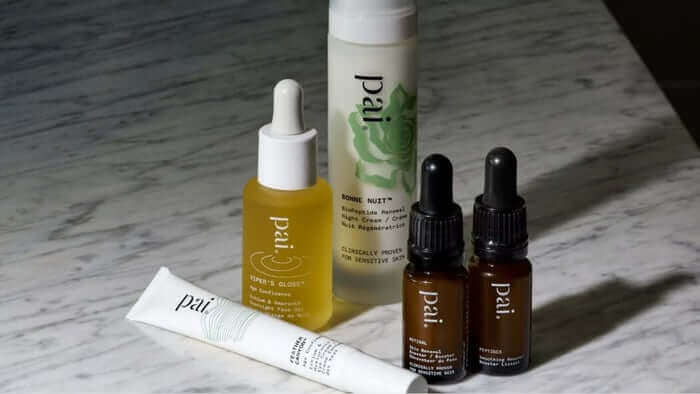

Dry, itchy eyes that won't stop flaking? You might be dealing with eyelid eczema. While one in five children and one in ten adults have eczema, those who get it on their face often see it clustering around the eyes. Same irritating symptoms, but on skin that's already four times thinner than the rest of your face.
Here's how to calm things down without making them worse.
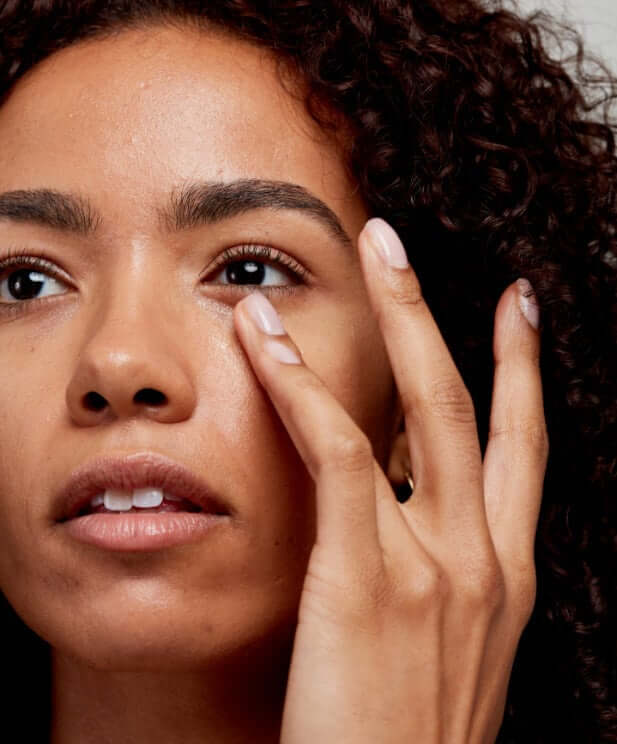
What causes eyelid eczema?
Eyelid eczema happens when the skin around your eyes becomes inflamed, leading to redness, itching, dryness and scaling. The skin here is already paper-thin and vulnerable, so when eczema strikes, it hits hard.
There are three main types that affect the eye area:
Atopic eczema: The genetic lottery. If your parents had it, you're more likely to develop it too. Your immune system overreacts to triggers, causing inflammation that damages the skin barrier.
Contact dermatitis: Something touched your skin and your skin didn't like it. Could be an allergen (think nickel in eyeshadow, fragrance in face wash) or an irritant (harsh makeup removers, chlorinated water). The reaction can be immediate or take days to show up.
Seborrhoeic dermatitis: More common in adults, often triggered by stress or an overgrowth of Malassezia yeast that naturally lives on skin. Shows up as greasy, yellowish scales rather than the dry flakes of atopic eczema.
The real problem? Eye skin is already working with less. Fewer oil glands mean less natural protection. Add eczema's barrier dysfunction to the mix and you've got skin that can't defend itself properly, opening the door to infection if left untreated.

How to identify eyelid eczema
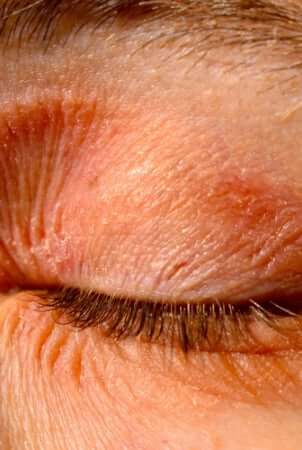
Not every itchy eye is eczema. Hayfever, allergies, and even a bad night's sleep can cause similar symptoms. But eyelid eczema has its own signature.
Look for these signs:
- Persistent dryness and itching that doesn't improve with basic moisturiser
- Inflamed, swollen eyelids
- Red patches on fair skin, or darker brown, purple or grey patches on deeper skin tones
- Thickened, leathery skin from repeated rubbing
- Burning or stinging sensation
- Small raised bumps that may weep clear fluid
- Cracked, splitting skin at the outer corners
- Flaky, scaly patches (especially with seborrhoeic dermatitis)
The symptoms can affect one or both eyes. Chronic rubbing sometimes creates an extra fold of skin under the eye, known as Dennie-Morgan folds. If you're unsure whether it's eczema or something else, see your GP or pharmacist for a proper diagnosis.
How to treat eyelid eczema effectively
First rule: confirm it's actually eczema. A doctor or pharmacist can diagnose properly and rule out infections or other conditions. They might prescribe mild topical steroids for severe flare-ups, but there's plenty you can do to manage symptoms and prevent future episodes.

Track your triggers systematically
Eczema flare-ups rarely happen randomly. They're usually triggered by something specific, but working out what that is requires detective work.
Keep a skin diary for at least two weeks. Note:
- What products touched your face (cleansers, moisturisers, makeup, sunscreen)
- Environmental factors (weather changes, air conditioning, heating)
- Stress levels and sleep quality
- Diet changes or new foods
- How your skin looked and felt each day
Patterns emerge quickly. Maybe your eyes flare every time you use waterproof mascara. Maybe it's worse after swimming. Once you identify triggers, avoiding them becomes straightforward.
Emergency relief for acute flare-ups
When your eyes are actively inflamed and itching, you need immediate relief:
Cold compress: Wrap ice in a clean, soft cloth and hold against closed eyes for 5-10 minutes. The cold constricts blood vessels, reducing inflammation and numbing the itch. Never apply ice directly to skin.
Barrier protection: Apply a thin layer of petroleum jelly or our Buriti Balm to create a protective seal. This locks in moisture and shields damaged skin from further irritation while it heals.
Hands off: The hardest part. Rubbing spreads bacteria and worsens inflammation. Keep nails short and consider wearing cotton gloves at night if you scratch in your sleep.
Choose eye products that actually help
Most eye creams are too heavy for eczema-prone lids. You need lightweight formulas that strengthen the skin barrier without overwhelming delicate tissue.
Look for these ingredients:
Ceramides: These lipids are the mortar between your skin cells. Eczema disrupts ceramide production, so supplementing helps rebuild barrier function. Our Echium & Argan Gentle Eye Cream delivers plant-derived ceramides that mirror skin's natural structure.
Anti-inflammatories: Ingredients like echium oil (rich in stearidonic acid) and sea buckthorn calm inflammation at the cellular level. They're particularly effective for contact dermatitis.
Barrier-repair fatty acids: Omega-3 and omega-6 fatty acids help restore the skin's natural protective layer. Argan oil provides both, plus vitamin E for antioxidant protection.
Skip anything with fragrance, essential oils, or harsh preservatives. Even natural fragrances can trigger reactions on compromised skin.
Adapt your entire routine
Eye eczema rarely exists in isolation. If your eyelids are reactive, chances are the rest of your face needs gentler care too.
Start with cleansing. Micellar waters and makeup wipes often contain surfactants that strip the skin barrier. Switch to an oil cleanser like our Light Work Rosehip Cleansing Oil that dissolves makeup without harsh rubbing. Follow with a cream cleanser like Camellia & Rose Gentle Hydrating Cleanser if you need a second cleanse.
For moisturising, layer hydration. A BioAffinity Tonic delivers humectants first, then seal with a barrier-supporting moisturiser. This prevents water loss while skin repairs itself.
Remove potential triggers systematically. That means:
- Fragrance-free everything (including laundry detergent for pillowcases)
- No harsh exfoliants or acids near the eyes
- Mineral sunscreen instead of chemical (zinc oxide is less likely to irritate)
- Fresh makeup tools cleaned weekly
When to see a dermatologist
Home care works for mild to moderate eczema, but some situations need professional help:
- Weeping, crusting, or signs of infection (yellow discharge, increasing pain)
- No improvement after two weeks of consistent care
- Swelling that affects vision
- Severe itching that disrupts sleep
- Recurring flare-ups despite trigger avoidance
A dermatologist can prescribe stronger treatments like tacrolimus or pimecrolimus (calcineurin inhibitors) that work well for facial eczema without the side effects of long-term steroid use.
Living with eyelid eczema: the long view
Eczema is a chronic condition, which means management rather than cure. But with the right approach, flare-ups become less frequent and less severe.
The key is consistency. Use gentle products every day, not just during flare-ups. Keep that skin diary going until you know your triggers inside out. And remember that stress management matters as much as skincare. Cortisol spikes trigger inflammation, so whatever helps you decompress (yoga, running, terrible reality TV) is technically part of your eczema treatment plan.
Most importantly, don't let perfect be the enemy of good. Some days your eyes will be irritated despite doing everything right. Weather changes, hormones, or mystery triggers can override your best efforts. Have your emergency toolkit ready (cold compress, barrier balm, gentle cleanser) and know it will pass.
One last thing: if you're dealing with eyelid eczema, you're probably dealing with facial eczema in general. The same principles apply, but your face has more oil glands to work with, so recovery is often faster. Small mercies.
Ready to rebuild your routine? Browse our complete range for eczema-prone skin or book a free consultation with our experts to create a personalised plan.
Frequently Asked Questions
What is eyelid eczema and what causes it?
Eyelid eczema is a condition that makes the skin around your eyes red, itchy, dry and scaly. The most common forms are atopic eczema (driven by genetics and the immune system), contact eczema (triggered by an allergen or irritant touching the eye area), and seborrhoeic dermatitis (often linked to stress, yeast on the skin, or other conditions). Because eyelid skin is much thinner and more fragile than the rest of your face, it's particularly vulnerable to damage and infection if left untreated.
How can I tell if I have eyelid eczema or just allergies?
It's easy to confuse the two, since both can cause itchy, irritated eyes. Key signs of eyelid eczema include dry or flaky patches, swollen or thickened skin, small raised bumps, and weeping or cracked skin. In darker skin tones, the affected area may appear brown, purple or grey rather than red. If you're unsure, it's always worth getting a professional opinion from your GP or pharmacist before treating it yourself.
What's the best eye cream for eyelid eczema?
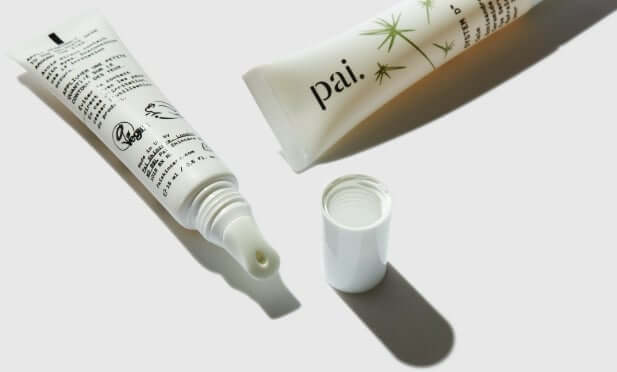
You want something feather-light and fragrance-free that focuses on repairing your compromised skin barrier. Pai's System D Cooling Eye Serum is designed for exactly this; it's packed with skin-strengthening ceramides to build resilience and prevent future flare-ups, while anti-inflammatory Schisandra Extract soothes irritation. The cooling ceramic tip also provides instant relief from hot, itchy skin.
Are there home remedies that help soothe eczema around the eyes?
A cold compress (a cloth wrapped around a bag of ice) can ease itching and reduce swelling quickly. For very dry, flaky skin, applying a layer of organic balm or unscented cream helps protect the skin barrier and keep it soft. It also helps to stick to lukewarm water when washing your face, protect the area from extreme weather, and manage stress where you can.
Should I change my whole skincare routine if I have eyelid eczema?
It's worth reviewing it, yes. Fragrances, detergents and certain preservatives can all trigger flare-ups or contact dermatitis, even in products you're not applying directly to your eyes. Paring back to gentle, independently patch-tested products formulated for sensitive skin makes a real difference. Pai offers free online skincare consultations if you're not sure which formulas to switch to.