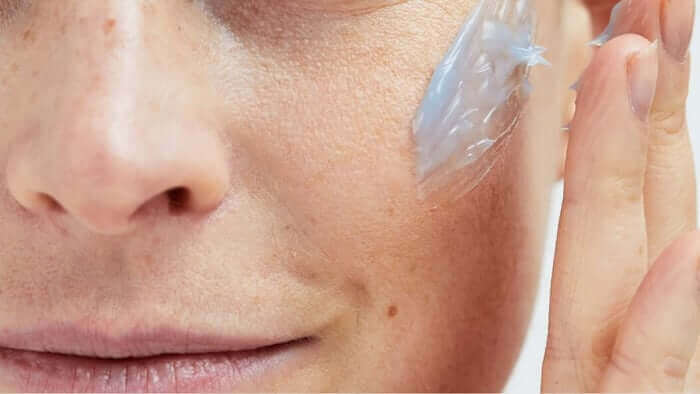

Your skin is constantly renewing itself. Right now, fresh cells are forming deep in your epidermis, slowly making their way to the surface where they'll eventually shed away. This process, called cell turnover, is what keeps skin looking fresh and healthy. But it slows down as we age, and understanding this timeline is crucial for getting the most from your skincare.
The science of skin renewal at different ages
Cell turnover isn't a fixed schedule. It changes dramatically throughout your life:
In babies, the entire renewal cycle takes just 14 days. Their skin cells race to the surface, which is why infant skin looks so impossibly fresh. By your teens, it's stretched to 28 days. Once you hit your thirties and forties, you're looking at 28 to 42 days. And after 50? The process can take up to 84 days.
That slower turnover means dead cells accumulate on the surface for longer, leaving skin looking tired and dull. It's why regular, gentle exfoliation becomes increasingly important as we age. Without it, even the best serums and oils can't penetrate properly through that layer of dead cells.
For blemish-prone skin, slow cell turnover creates another problem: dead cells mix with excess oil and clog pores, leading to breakouts. That's where gentle exfoliation becomes essential.
Why the 28-day rule matters for new products
Skincare brands tell you to wait before judging a product for good reason. It's not marketing speak. It's biology.
If your skin takes 28+ days to completely renew itself, any product you introduce needs at least that long to show its full effects. The ingredients are working on cells that won't reach the surface for weeks. Switching products every fortnight means you're never seeing what they can actually do.
This biological reality is why we offer a 90-day money-back guarantee. It gives your skin time to complete not one but three full renewal cycles with any new product. Real results need real time.
Working with your skin's renewal rate
Understanding cell turnover changes how you approach skincare. First rule: keep it simple. Your skin can only process so much at once, and overloading it with multiple serums, oils, and creams just creates confusion.
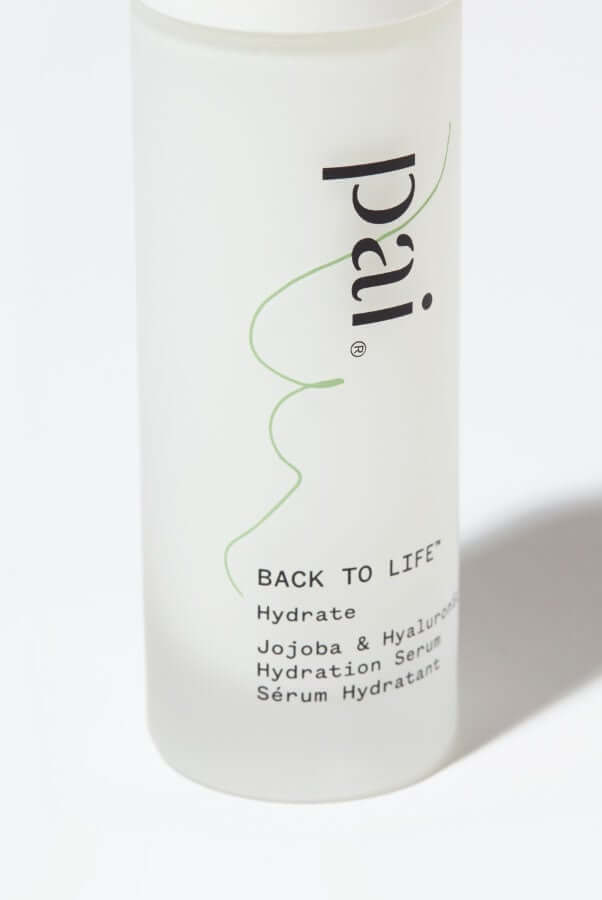
Take serums and face oils. Both brilliant, but using them together every single night? Probably overkill. Try alternating: Back To Life for a few nights when your skin needs lightweight hydration, then switch to a nourishing oil when it needs something richer. This gives your skin time to actually use what you're applying.
Supporting natural renewal with the right ingredients
Some ingredients actively support your skin's renewal process. Our Rosehip BioRegenerate is famous for exactly this reason. The CO2-extracted rosehip delivers concentrated vitamin A compounds that encourage healthy cell turnover, plus omegas that support the skin barrier during renewal.
For gentle daily renewal support, PHAZE uses polyhydroxy acids to gradually lift away dead cells without irritation. Unlike harsh scrubs that can damage new cells coming to the surface, PHAs work with your skin's natural process.
Want to understand more about how rosehip supports skin regeneration? Read our deep dive into the 12 benefits of rosehip oil for your skin.
The patience principle
Sometimes the best thing you can do for your skin is absolutely nothing new. Let your current routine work. Give those cells time to complete their journey from the bottom of the epidermis to the surface.
Yes, it's tempting to add that new serum everyone's talking about. But if you've just started a nighttime routine with good ingredients, stick with it for at least one full renewal cycle before changing anything. Your future skin will thank you.
Not sure if your routine is working with your skin's renewal cycle? Book a free online skin consultation with our experts. We'll help you build a routine that respects your skin's natural timeline.
Frequently Asked Questions
How long does it take for skin to fully renew itself?
It depends on your age. In babies, skin renews in about 14 days, while teenagers see a full cycle in around 28 days. By middle age it stretches to 28-42 days, and for those over 50, it can take up to 84 days.
Why should I wait before judging whether a new skincare product works?
Because your skin needs a full renewal cycle to properly respond to new products. If your skin takes 28 or more days to turn over, that's the minimum time you should allow before deciding if something is working. Chopping and changing too quickly means you'll never see real results.
Why does my skin look dull as I get older?
As skin cell turnover slows with age, dead skin cells accumulate on the surface for longer, leaving your complexion looking washed out. Regular, gentle exfoliation helps slough away that build-up, which also allows your other skincare products to penetrate more effectively.
Is it better to use fewer skincare products at once?
Yes. Layering too many products overloads your skin and stops it absorbing everything properly. Instead of stacking serums and creams at every step, try alternating, for example using a face oil some nights and a serum on others. This simpler, more consistent approach works with your skin's natural renewal rate rather than against it.
Can rosehip oil help speed up skin renewal?
Pai's Rosehip BioRegenerate Oil is specifically designed to support overnight skin regeneration. It uses CO2 supercritical extraction to preserve up to 700% more polyphenols than cold-pressed alternatives, delivering concentrated levels of the fatty acids, sterols, and carotenoids that promote collagen synthesis and cell renewal for visibly brighter, more radiant skin.