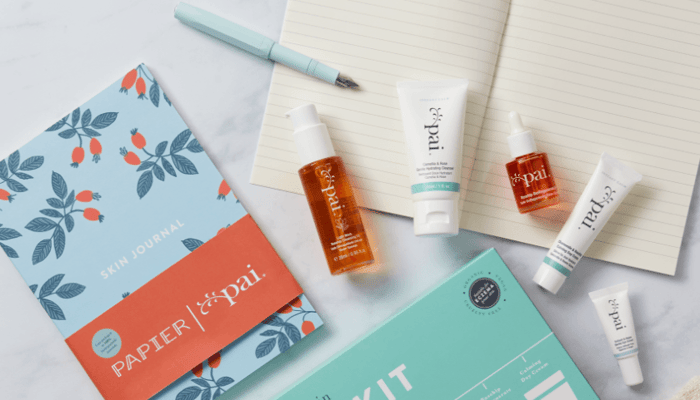

If you've ever blamed your monthly breakout on that packet of crisps you ate on Tuesday, only to eat the exact same crisps the following week with zero consequences, welcome to the maddening world of skin logic. Skin is maddeningly inconsistent. One day it's fine with your favourite moisturiser, the next day that same moisturiser feels like it's burning. The solution? Start writing it down.
A skin diary tracks what you put on your skin, what you put in your body, and what your skin does in response. After a month (ideally three), patterns emerge. Suddenly that "random" rosacea flare isn't random at all. It happens 48 hours after red wine, every single time.
The evidence trail
Sensitive skin rarely reacts immediately. That new serum you tried on Monday might not cause problems until Wednesday. The stress from that work deadline might show up as inflammation a week later. Without a written record, memory fails at connecting cause and effect across days or weeks.
A skin diary creates an evidence trail. You'll spot connections you'd never notice otherwise. Maybe your skin always flares during your luteal phase. Maybe it's not dairy causing problems, but specifically yoghurt (those live cultures change how your gut processes lactose). Maybe that "hypoallergenic" pillowcase isn't as innocent as it claims.
The patterns you find might surprise you. Our Skin Coaches regularly see clients discover their "sensitive" skin is actually just dehydrated, or that their "hormonal" acne is triggered by their gym's face towels, not their cycle.
How long should you keep a skin diary?
Twenty-eight days minimum. That's one full skin cell turnover cycle, enough to see how your skin responds to products over time rather than just on first application. Three months is better. That's long enough to track seasonal changes, multiple menstrual cycles, and the full adjustment period for new products.
If you're still puzzled after three months, or if clear patterns emerge but you need help actioning them, book a free consultation with our Sensitive Skin Coaches. They've seen hundreds of skin diaries and can spot patterns you might miss. They'll translate those patterns into targeted routine adjustments based on your specific triggers.
What to track each day
Keep entries focused on what actually affects skin function. Here's what matters:

Sleep
Note your bedtime, wake time, sleep quality, and total hours. Poor sleep triggers cortisol spikes that show up as inflammation, increased oil production, and compromised barrier function. If your skin looks angry after a bad night, that's not coincidence.
Skincare routine
Write down every product you use, morning and evening. Include the order of application. "Cleanser, toner, moisturiser" isn't specific enough. Write "Light Work, Rice Plant Tonic, The Anthemis." Note any reactions immediately and again 24-48 hours later (delayed reactions are common with sensitive skin).
Record what your skin looked like when you woke up versus when you went to bed. Morning skin tells you how your evening routine performed overnight. Evening skin shows how your morning routine held up against the day.

Diet
List main meals, snacks, water intake, and caffeine consumption. Be specific about trigger foods. "Pasta" is less useful than "tomato-based pasta sauce" if you're tracking potential inflammatory triggers. Common culprits include dairy, sugar, gluten, alcohol, and nightshades (tomatoes, peppers, aubergines).
Movement and mood
Exercise affects skin through increased circulation, sweat, and potential irritation from equipment or clothing. Note type and duration. Track your stress levels on a simple 1-5 scale. Include where you are in your menstrual cycle if relevant. Day 14 skin behaves very differently from day 25 skin.
Environment
Weather matters more than most people realise. Note sun exposure (even through windows counts), wind exposure, indoor heating, air conditioning, and humidity levels. Central heating in particular is a serial skin dehydrator. If your skin suddenly feels tight every October, the correlation is clear.
Fabrics
What touches your skin matters. Note the fabric content of clothes that sit against problem areas. Synthetic workout gear, wool scarves, and unwashed pillowcases are frequent offenders. If you have body acne, your laundry detergent might be the issue.
Making sense of the data
After your tracking period, look for patterns. Read through chronologically first, then go back and look for correlations. Some will be obvious (skin always dry after long flights). Others need detective work (breakouts 3-4 days after eating cheese).
Common patterns to watch for:
Reactions 24-72 hours after specific foods. Diet affects skin more than most skincare marketing admits, but the delay makes connections hard to spot without tracking.
Flares linked to menstrual cycle phases. Progesterone peaks can trigger oil production. Oestrogen drops can compromise barrier function. Knowing your pattern helps you adjust your routine proactively.
Product interactions. That serum might be fine alone but cause irritation when layered under your SPF. Tracking helps identify these combinations.
Environmental triggers. Maybe your skin hates your office's air conditioning, or perhaps that expensive silk pillowcase is actually helping. You won't know without data.
The payoff
Tracking requires consistency, but the data you'll gather is worth the effort. After three months, you'll have something invaluable: actual evidence of what your skin likes and doesn't like. Not guesses, not something you read on a forum, but data specific to your skin.
That evidence transforms how you shop for skincare. Instead of trying every new launch and hoping for the best, you'll know exactly what ingredients and routines work for you. You'll spot problems before they escalate. You'll finally understand why your skin behaves the way it does.
Most importantly, you'll stop blaming yourself for "difficult" skin. Often what we call sensitive is just skin reacting predictably to specific triggers. Identify the triggers, avoid or manage them, and suddenly your impossible skin becomes remarkably cooperative.
A skin diary won't cure chronic conditions, but it will give you control. And when it comes to sensitive skin, control changes everything.