
Most blemish routines get the balance wrong. They're either too aggressive (hello, irritation) or too gentle (hello, persistent breakouts). You need products strong enough to tackle breakouts but gentle enough not to trigger sensitivity. We get asked about this balance every single day, and after 15 years of formulating for reactive skin, we know exactly how to strike it.
The biggest misconception about breakouts? They're an oily skin problem.
In oily skin, yes, excess sebum combines with dead skin cells and bacteria to clog pores. But dry, sensitive skin breaks out too. When skin underproduces oils, it loses its protective acid mantle. Without that barrier, bacteria proliferate and inflammation follows. Two opposite skin types, same visible result. Spots, redness, congestion.
The solution isn't to wage war on your skin. It's to restore your skin's natural protective mechanisms. Strip your routine back to essentials, start with a nourishing cleanse, then gradually introduce targeted actives that address the root causes.
Morning routine for acne-prone skin
Mist to prep
Start with Century Flower barrier defence mist. The lotus root water contains flavonoids that suppress IL-6 and IL-8 (the inflammatory cytokines that drive flare-ups), while prebiotic inulin rebalances your skin's microbiome. Keeping skin damp after misting helps the next products absorb properly.
Moisturise strategically
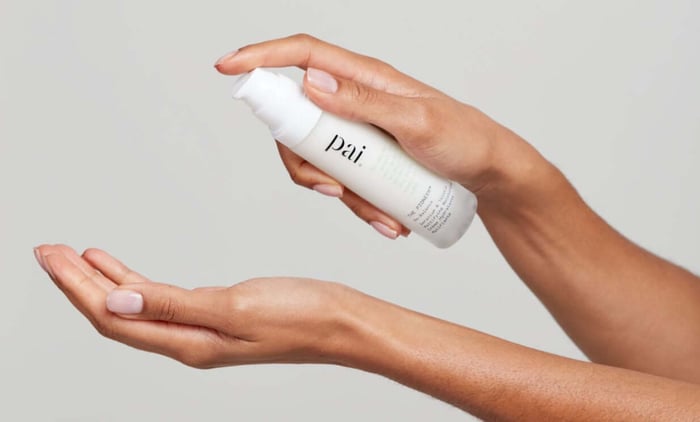
The Pioneer moisturiser was specifically formulated for oily, blemish-prone skin. Thistle oil naturally mattifies and minimises the appearance of large pores. The lightweight gel-cream texture hydrates without clogging, which is exactly what congestion-prone skin needs.
Never skip SPF
Finish with British Summer Time SPF 30. Mineral sunscreen, no chemical filters, suitable for even the most reactive skin types.
Evening routine for blemish-prone skin
Double cleanse properly
First, dissolve makeup and SPF with Light Work Rosehip Cleansing Oil. Even oily skin needs this step. Oil attracts oil, lifting every trace of waterproof makeup without surfactants or stripping. The rosehip seed oil actually delivers omegas 3, 6, 7 and 9 while it cleanses.
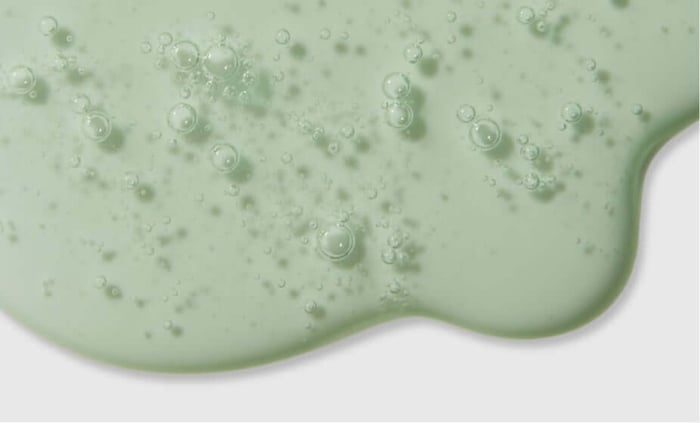
Follow with PHAZE PHA Clarifying Face Wash. Apply 1-2 pumps to damp skin, massage gently (skip the eye area), then rinse. The polyhydroxy acid exfoliates without the irritation of traditional AHAs, while NMF Sugar Complex binds to skin keratin, delivering hydration that lasts 72 hours post-rinse.
Target blemishes
Two or three nights weekly, apply All Becomes Clear blemish serum. The zinc and copaiba balsam formula reduces redness and inflammation without drying the spot or surrounding skin. Less is more here. One pump covers the whole face.
Overnight oil treatment
For your final step, choose your oil based on your skin's current state:
Carbon Star overnight oil for active breakouts. Vegetable charcoal gently absorbs excess sebum while black cumin seed oil (45-65% linoleic acid) helps normalise your skin's fatty acid composition. The Amazonian botanical complex delivers anti-inflammatory action through three different molecular pathways. Always cleanse thoroughly the morning after using Carbon Star, then follow with All Becomes Clear serum for daytime protection.
Once breakouts calm and you're focusing on healing, switch to Rosehip BioRegenerate oil. The CO2-extracted formula contains 700% more polyphenols than cold-pressed rosehip oils. Those regenerative sterols reduce inflammation around healing blemishes and minimise scarring.
Weekly power moves
Clay mask clarifying
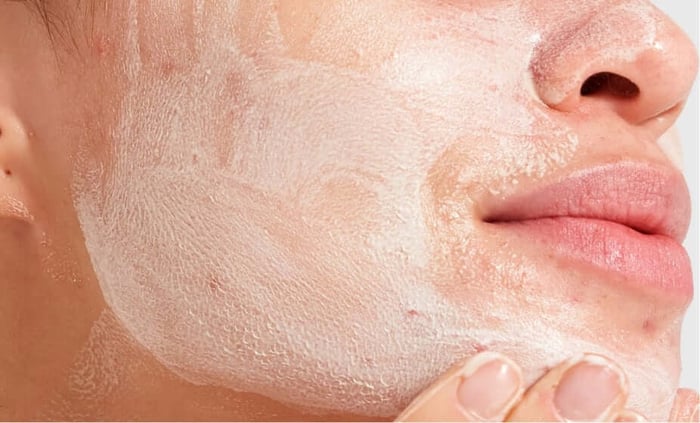
Once or twice weekly, apply The Impossible Glow AHA mask. The gentle fruit acids dissolve dead skin cells while antibacterial copaiba draws out deep impurities. Leave on for 10-15 minutes, then rinse with lukewarm water.
Physical exfoliation
Add Virtuous Circle exfoliator to your evening routine once or twice weekly. The jojoba beads are perfectly spherical (no sharp edges to cause micro-tears) and dissolve as you massage, so there's no risk of over-exfoliating. Apply to dry skin after cleansing, then continue with your mist and treatment products.
Understanding the science behind the routine
This routine works because it addresses every stage of the blemish cycle. PHAs exfoliate to prevent pore blockages. Zinc and copaiba target bacterial overgrowth. Anti-inflammatory botanicals calm existing breakouts. Barrier-supporting oils prevent the overproduction cycle that creates more breakouts.
The key is consistency without aggression. Your skin needs time to rebalance. Start with the basics (cleanse, moisturise, SPF), then add targeted treatments gradually. If something causes irritation, step back and simplify.
For more detailed guidance on managing oily and blemish-prone skin, check out our comprehensive guide to oily, combination and blemish-prone skin.
Not sure if this routine suits your skin right now? Book a free online skincare consultation with our team. They'll create a personalised routine based on your skin's current needs.
Frequently Asked Questions
Why should I use an oil cleanser on acne-prone skin?
Oils cling to oils, so a cleansing oil like Light Work lifts every trace of makeup, SPF and sebum without stripping your skin's protective barrier. Because it's entirely surfactant-free, it leaves no detergent residue behind, which means no post-cleanse tightness or irritation that can trigger further breakouts.
What order should I apply my acne skincare routine in?
In the morning, start with Century Flower mist, follow with a lightweight moisturiser, and finish with SPF. In the evening, double cleanse (oil cleanser first, then a foaming wash like Phaze), apply a blemish serum 2-3 nights per week, and finish with a targeted face oil like Carbon Star.
How does Carbon Star work overnight on blemish-prone skin?
Carbon Star combines antibacterial Black Cumin Seed Oil with Vegetable Charcoal that gently buffs away impurities and absorbs excess sebum while you sleep. In an independent trial of 51 women over 4 weeks, 76% said their skin looked clearer. Always cleanse the morning after using it, then follow with an anti-blemish serum to maintain clarity throughout the day.
When should I switch from Carbon Star to Rosehip BioRegenerate Oil?
Use Carbon Star during active breakouts to tackle bacteria, excess oil and inflammation. Once your blemishes are past their active phase, switch to Rosehip BioRegenerate before bed. Its regenerative sterols and concentrated fatty acids soothe residual inflammation and encourage healing to help reduce post-blemish scarring.
Can a foaming cleanser really be gentle enough for sensitive, acne-prone skin?
Phaze uses plant-derived sugar-based and betaine-based surfactants instead of sulfates, so it lathers without stripping your skin's natural lipids. Its PHA exfoliant (gluconolactone) has a larger molecular size than traditional AHAs, confining exfoliation to the surface where congestion sits rather than penetrating deeper where irritation starts. In a consumer trial of 115 women over 2 weeks, 79% said skin looked clearer and 77% said it felt hydrated after use, not tight.