
Dry, tight, flaking skin is more than uncomfortable. It's your barrier waving a white flag. The good news? Once you understand what's happening beneath the surface, fixing it becomes straightforward.
This guide breaks down exactly what dry skin is (spoiler: it's about oil, not water), why it behaves the way it does, and the targeted routine that actually works. No fluff. Just the science-backed approach that our lab swears by.
First, the basics: dry vs dehydrated
Here's the distinction that changes everything: dry skin lacks oil. Dehydrated skin lacks water. They're completely different problems requiring completely different solutions.
Dry skin is genetic. You're born with fewer sebaceous glands or glands that produce less sebum. That natural oil isn't just there to make you shiny. It forms the protective barrier that keeps moisture in and irritants out. Without enough of it, your skin becomes like a brick wall without mortar. The structure starts to crumble.
Dehydrated skin is temporary. Anyone can get it. Harsh weather, aggressive products, too many margaritas, not enough water. The fix is relatively simple: hydrate and wait. But dry skin? That's your skin type for life. You can't cure it, but you can absolutely manage it.
The telltale signs
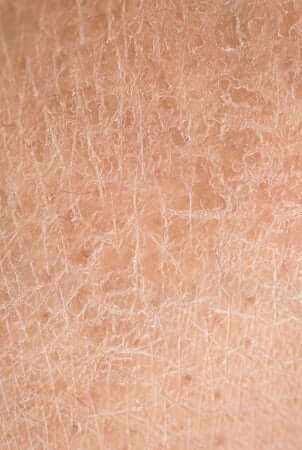
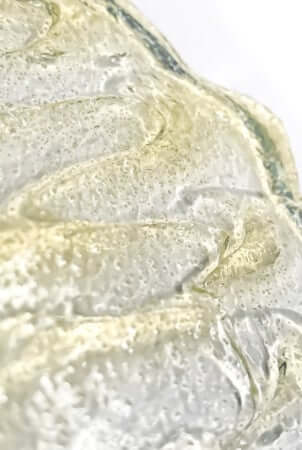
Dry skin announces itself in multiple ways. The visible signs are obvious: flaking, rough patches, that ashy cast that appears halfway through the day. But it's the sensations that really give it away. That tight feeling after cleansing? Classic dry skin. The itch that gets worse in winter? Same culprit.
Here's a quick test: gently rub your fingertip across your cheek. If you see tiny white flakes or the skin reddens immediately, you're dealing with dryness. Properly hydrated skin with adequate oil levels doesn't flake or react to gentle friction.
The medical term is xerosis or xeroderma, from the Greek for "dry skin." It sounds dramatic because untreated dry skin can be. Those cracks and fissures aren't just uncomfortable. They're open doors for bacteria and irritants.
Your dry skin rescue plan
Managing dry skin isn't about slathering on the thickest cream you can find. It's about strategic layering that addresses both the lack of oil and the compromised barrier function.

Layer like you mean it
Think of your skincare routine as building that brick wall properly. You need three things: water (hydration), mortar (moisturiser), and a protective seal (oil).
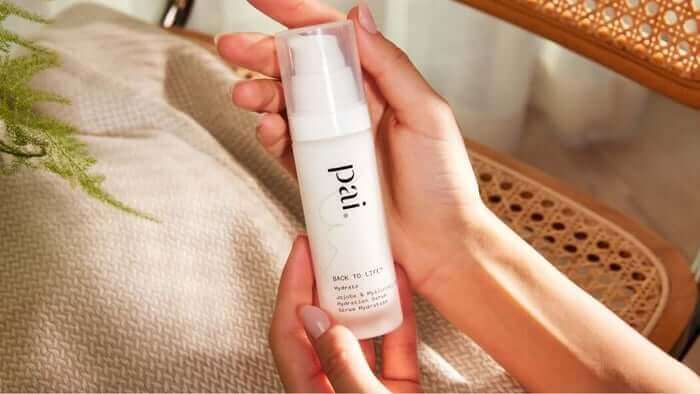
Start with deep hydration. Back To Life Hydration Serum delivers hyaluronic acid that can hold up to 1000 times its weight in water. But here's the crucial bit: hyaluronic acid alone isn't enough for dry skin. It pulls water to the surface, but without oil to seal it in, that water evaporates. Dry skin needs the complete system.
Next, moisturise with intention. Love & Haight was specifically formulated for dry skin's lipid deficit. The jojoba mimics your missing sebum. The avocado delivers the fatty acids your skin can't produce enough of. The texture is rich but never heavy, because the last thing dry skin needs is clogged pores on top of everything else.
Evening calls for the full arsenal. Layer your serum, then moisturiser, then seal everything in with a few drops of facial oil. Rosehip BioRegenerate is our lab's obsession for good reason. The CO2 extraction preserves compounds that help trigger your skin's own repair mechanisms while you sleep.
Temperature matters more than you think
Hot water is dry skin's worst enemy. It strips away what little natural oil you have, leaving your barrier completely compromised. Keep showers lukewarm and under 10 minutes. Yes, that means sacrificing the 20-minute steam session. Your skin will thank you.
Apply your body moisturiser while skin is still damp. Love & Haight Body Cream locks in that water before it evaporates. Same principle as your face routine, just scaled up.
Decode your ingredient labels
Certain ingredients are kryptonite for dry skin. Sulphates (SLS, SLES) strip oil indiscriminately. That squeaky-clean feeling? That's your barrier crying for help. Our Gentle Genius Body Wash cleans without sulphates, using gentle surfactants that respect your skin's oil levels.
Alcohol is another one to avoid. Not fatty alcohols (cetyl, stearyl), which are actually moisturising. We mean the drying alcohols: denatured, isopropyl, ethanol. They evaporate quickly, taking your skin's moisture with them. Our BioAffinity Tonics, including Century Flower, hydrate without a drop of drying alcohol.
Feed your skin from within
Your skin cells are built from the fats you eat. Omega-3 and omega-6 fatty acids are the raw materials for healthy barrier function. Wild salmon, walnuts, flaxseeds, evening primrose oil supplements. They all contribute to your skin's ability to produce and maintain its protective lipid layer.
Water intake matters too, but not in the way most people think. Drinking eight glasses won't cure dry skin (remember, it's about oil, not water), but dehydration makes everything worse. Keep yourself properly hydrated and your skin functions better overall.
Exfoliate strategically
Dry skin sheds unevenly. Instead of individual cells sloughing off invisibly, they clump together in visible flakes. Regular, gentle exfoliation helps normalize this process.
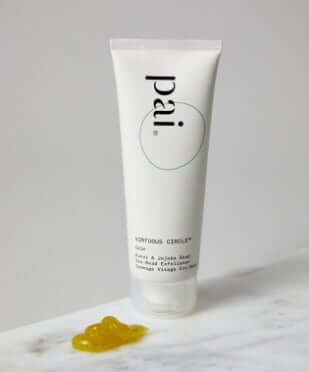
Virtuous Circle uses rounded jojoba beads that won't scratch or irritate. Two to three times a week is plenty. The goal is smooth skin that can actually absorb your moisturiser, not raw skin that's even more vulnerable.
A damp muslin cloth works brilliantly for daily gentle exfoliation. Check out our guide on 10 ways to use muslin cloths for more techniques.
Know when to call in the professionals
Sometimes dry skin needs more than excellent products. If you're dealing with severe dryness, eczema, or persistent irritation, book a consultation. Our free online skin consultations connect you with experts who can create a targeted plan for your specific situation.
For medical-grade dryness or conditions like severe eczema, a dermatologist might recommend prescription treatments. Work with them to find the gentlest effective approach, then use targeted natural products like ours to maintain results between treatments.
The bottom line on dry skin
Dry skin isn't something you grow out of or cure with the right miracle cream. It's your skin type, written in your DNA. But that doesn't mean resignation to a lifetime of flaking and discomfort.
The key is working with your skin, not against it. Replace the oils it can't make enough of. Protect the barrier it struggles to maintain. Exfoliate gently to help it shed properly. And please, step away from the scalding shower.
With the right routine and products formulated specifically for dry skin's needs, comfortable, healthy-looking skin is absolutely achievable. No miracles required. Just smart chemistry and consistency.
Ready to transform your dry skin? Explore our complete dry skin collection for products that understand exactly what your skin needs.
Frequently Asked Questions
What's the difference between dry skin and dehydrated skin?
Dry skin is a skin type largely determined by genetics, where the skin produces less sebum (natural oil) than it needs. Dehydrated skin is a temporary state caused by a lack of water, and any skin type can experience it. The good news is dehydrated skin can be reversed, while dry skin needs ongoing management with products designed to replenish those missing oils.
What's the best layering routine for really dry skin?
Think of it as a three-pronged approach. Start with a hydrating serum like Back To Life Hydration Serum to deliver moisture deep into the skin, then follow with a moisturiser like Love & Haight to lock that hydration in with fatty oils. In the evening, add a facial oil as your final step to create a protective barrier that prevents water loss overnight.
Why does Love & Haight work so well for dry skin specifically?
Love & Haight is formulated with jojoba and avocado oils, which are structurally similar to the skin's own lipids. Jojoba is actually a liquid wax ester that mimics human sebum, so it integrates with your skin's barrier rather than just sitting on top. This means it replenishes the oils dry skin is missing while absorbing quickly and without greasiness.
Which ingredients in skincare products should I avoid if I have dry skin?
Foaming detergents like Sodium Lauryl Sulphate (SLS), Sodium Laureth Sulphate (SLES), Cocamidopropyl Betaine, and Ammonium Laureth Sulphate are common triggers. These strip the skin of its already limited natural oils. Alcohol in skincare products does the same, so switching to sulfate-free body washes and alcohol-free toners can make a real difference.
How often should I exfoliate dry skin, and why does it help?
Two to three times a week with a gentle exfoliator or muslin cloth is the sweet spot. Dry skin sheds dead cells in clumps rather than individually, which is what creates that flaky texture. Regular exfoliation smooths the surface so the healthy cells underneath can actually absorb your hydrating serums and moisturisers properly.