
Tamsin here, from the Customer Experience team. If there's one question that comes up more than any other in our skincare consultations, it's this: "I have acne, but my skin is also really dry. Help?"
This is one of skincare's trickiest contradictions to solve. Everything marketed for acne seems designed to strip your skin bare. Everything for dryness feels too rich for spot-prone skin. Add sensitivity and you're left with products that either don't work or actively make things worse.
Most acne advice gets this backwards: stripping your skin of oils doesn't solve the problem. It creates a new one.
When skin is dehydrated, it panics. The sebaceous glands go into overdrive trying to compensate for the lost moisture, producing even more oil. That excess sebum mixes with dead skin cells (which accumulate faster on dry skin), blocking pores and creating the perfect environment for breakouts. It's a vicious cycle: every product that targets breakouts leaves your skin drier, which triggers more oil production and more breakouts.
The solution isn't to avoid moisture. It's to use the right kind.
Why jojoba oil works when others don't
Most face oils form a film on your skin's surface. Jojoba doesn't, because technically it's not an oil at all. It's a liquid wax ester, the only plant-derived one used in skincare. Its molecular structure mirrors human sebum so closely that your skin can't tell the difference.
This biomimicry creates a clever feedback loop. When your skin detects adequate levels of moisture (from the jojoba), it dials down its own sebum production. Less excess oil means fewer clogged pores. Fewer clogged pores means fewer breakouts.
But jojoba does more than regulate oil. Research shows it's naturally antibacterial, specifically against Propionibacterium acnes, the bacteria responsible for inflammatory acne. It also stimulates skin cell turnover, helping clear the dead cells that contribute to blocked pores.
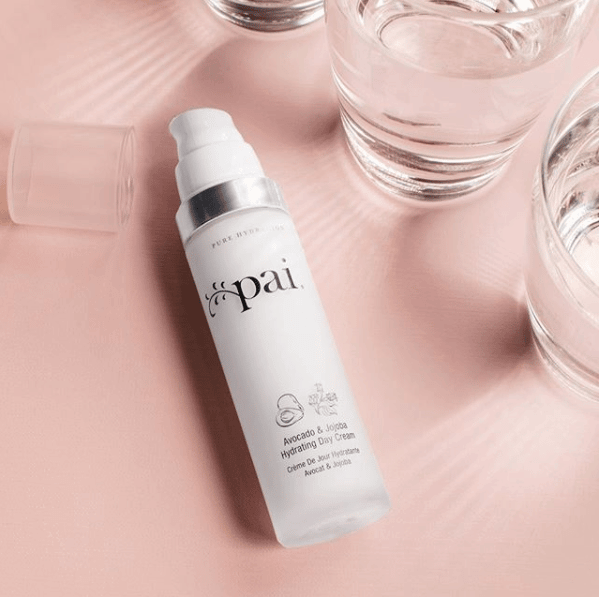
This is exactly why we formulated Love And Haight around jojoba as the hero ingredient. The jojoba provides all the benefits above while being completely non-comedogenic. It won't clog pores because your skin absorbs it as if it were its own sebum.
The supporting cast: why avocado oil matters
Avocado oil often gets overlooked in conversations about acne-prone skin, but published research shows it has remarkable calming properties for inflammatory skin conditions, from acne to eczema and psoriasis.
The secret is its fatty acid profile. Avocado oil contains palmitoleic acid, a rare omega-7 that naturally decreases with age and is crucial for skin repair. It's also rich in phytosterols that help rebuild the skin barrier, reducing both water loss and bacterial penetration.

Together, jojoba and avocado create what I call the "Goldilocks effect" for difficult skin. Not too heavy, not too light, but just right for skin that needs moisture without congestion.
Making it work for your skin
Start with clean skin. I know you've heard this before, but for acne-prone skin, your cleansing routine sets the stage for everything else. Double cleanse at night if you wear makeup or sunscreen, using an oil cleanser first to dissolve product and sebum, followed by a gentle gel cleanser.
Apply Love And Haight to slightly damp skin. One pump is usually enough for the whole face. The moisture on your skin helps the oils spread and absorb more easily. Don't avoid your oily areas. Remember, balanced hydration everywhere helps regulate oil production overall.
Give it time. Skin takes 4-6 weeks to show significant changes in oil production and breakout patterns. Keep a simple routine and resist the urge to add multiple new products at once.
If you do experience a breakout during the adjustment period, don't panic. Sometimes skin goes through an adjustment period as oil production rebalances. But if irritation persists or worsens after two weeks, stop use and check in with us at support@paiskincare.live. We've helped thousands of customers find their perfect routine, and we're here to help you too.
Dry, acne-prone skin isn't a contradiction you have to live with. With the right ingredients that work with your skin's natural processes rather than against them, you can achieve that elusive balance. You can have clear, hydrated skin without compromise.