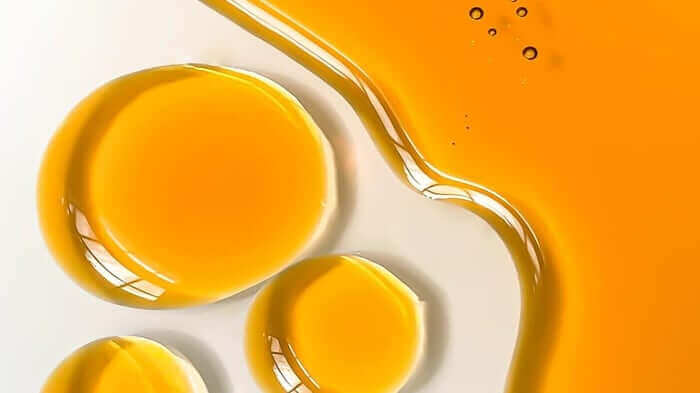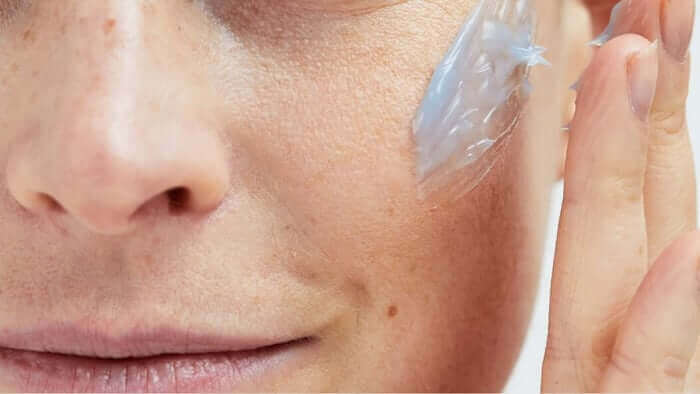

Yes, Emu Oil really comes from emus.
Every so often, Emu Oil gets a boost in the beauty press, thanks to a few big-name celebrity supporters. Most people assume it's either marketing spin or just a brand name. The uncomfortable truth? It's neither.
What is Emu Oil?
Emu Oil is extracted from the thick fat layer on the emu's back. To harvest this oil, the bird must be killed.
Although emu meat is technically edible, it's considered tough and unappetising. This means emus are primarily being farmed and slaughtered for cosmetic oil production. No matter how you look at it, that's wasteful and unnecessary.
The science behind Emu Oil (and why you don't need it)
Emu Oil is rich in oleic acid (omega-9), a fatty acid that helps reduce water loss and maintain skin hydration. Studies have suggested it may help with dry, flaky skin, reduce joint pain when applied topically, and potentially boost hair growth.
In 2015, Cate Blanchett made headlines when she credited Emu Oil from Australia as the secret to her glowing complexion. She reportedly told Refinery29: "In indigenous Australian culture, that's the first oil they put on a baby because it's so hydrating."
What the science actually tells us: while Emu Oil does contain beneficial fatty acids, it's far from unique. Olive oil contains significantly higher levels of oleic acid. Rosehip oil delivers the same omega profile plus vitamin A derivatives that support skin regeneration. Argan oil provides comparable fatty acids alongside vitamin E for antioxidant protection.
The truth? Plant oils aren't just alternatives. They're often more concentrated sources of the exact same compounds, without requiring an animal to die for your skincare routine.
Understanding fatty acids and skin hydration
Understanding how oils work on skin explains why plant alternatives are superior. Fatty acids don't hydrate directly. They form a protective layer that helps lock in existing moisture, reducing transepidermal water loss. Think of them as a seal rather than a source.
This is why using oil alone won't solve dryness. You need to layer it over a hydrating serum or moisturiser that contains water-binding ingredients like hyaluronic acid or glycerin. The oil then acts as a barrier to keep that hydration in place.
For genuinely dry skin, our Hydrate collection works on both fronts. Back To Life Serum uses multi-weight hyaluronic acid to draw moisture into the skin, holding up to 1,000 times its weight in water. Follow with The Anthemis moisturiser, which combines barrier-supporting rosehip oil with anti-inflammatory chamomile extract. The serum hydrates, the cream seals it in. No emus required.
Why plant oils outperform Emu Oil
The evidence is clear. Rosehip BioRegenerate oil contains linoleic acid (omega-6), alpha-linolenic acid (omega-3), and oleic acid (omega-9), the same fatty acid profile touted in emu oil. But our CO2 extraction process preserves up to 700% more antioxidant polyphenols than cold-pressed oils, delivering concentrated regenerative compounds that support collagen synthesis and skin repair.
For blemish-prone skin, our Carbon Star overnight oil combines black cumin seed oil with vegetable charcoal to clarify skin without stripping it. Black cumin seed oil has been shown in clinical trials to reduce acne severity by 78%. That's targeted, evidence-based formulation, not just any oil for oil's sake.
Even our simplest face oil, The Light Fantastic, delivers more than basic fatty acids. It contains ceramide-boosting ingredients that help your skin produce its own protective lipids, creating lasting improvement rather than temporary surface benefits.
The bigger picture: ethics in beauty
At Pai, every single product is certified by Cruelty Free International and The Vegan Society. This isn't just about avoiding animal testing. It's about recognising that in 2024, with the botanical chemistry knowledge we have, there's simply no justification for killing animals for cosmetic ingredients.
We formulate in our London lab, where our chemists have access to thousands of plant-based ingredients that deliver proven results. Our commitment to being vegan and cruelty-free isn't a limitation. It's pushed us to find better solutions.
When you choose plant-based skincare, you're not compromising on efficacy. You're often getting more concentrated, more stable, and more sustainable ingredients. The science supports it, the results prove it, and no animals suffer for it.
Making the switch from Emu Oil
If you've been using Emu Oil and want to transition to plant-based alternatives, here's how to match your specific needs:
For dry skin: Layer Back To Life Serum under Rosehip BioRegenerate oil for intensive overnight hydration and repair.
For sensitive skin: The Light Fantastic provides gentle nourishment without overwhelming reactive skin.
For combination skin: Alternate between Carbon Star (for clarifying) and Rosehip BioRegenerate (for regeneration).
For mature skin: Combine any of our organic face oils with targeted serums from our collection for comprehensive anti-ageing benefits.
More awareness of what Emu Oil extraction actually involves will hopefully lead to the beauty industry finally abandoning this ingredient. At Pai? Not in our name. And with the plant alternatives available today, there's absolutely no reason it should be in yours either.
Shop our vegan and cruelty-free organic skincare here
Frequently Asked Questions
What is Emu Oil and why is it considered unethical?
Emu Oil is a fatty oil extracted from the thick fat on an emu's back, and the emu has to be killed to remove it. Because emu meat is considered largely unappetising, the birds are essentially being harvested solely for cosmetic oil purposes, making it both wasteful and unnecessary when equally effective plant-based alternatives exist.
What are good vegan alternatives to Emu Oil for dry skin?
Emu Oil is prized for its oleic acid (omega-9) content, but Olive Oil actually contains far higher levels of oleic acid without any animal involvement. Pai's Rosehip Bioregenerate Oil is a certified vegan, omega-rich alternative that delivers up to 65% more regenerative sterols and up to 700% more polyphenols than competitor rosehip oils, thanks to CO2 supercritical extraction of both the fruit and seed.
Can face oils actually hydrate skin on their own?
No. Oils lock moisture in, but they can't deliver hydration by themselves. If hydration is your goal, you need to apply a good cream or serum first, something like Back To Life Hydration Serum with hyaluronic acid, then layer an oil on top to seal that moisture in.
Is Pai Skincare vegan and cruelty-free?
Every single Pai product is accredited by both Cruelty Free International (Leaping Bunny) and The Vegan Society. The entire range is certified COSMOS Organic too, so you can be confident that no animal-derived ingredients or animal testing are involved at any stage.
Which Pai face oil is best for blemish-prone skin?
Carbon Star Detoxifying Overnight Face Oil is specifically designed for oily and blemish-prone skin. It combines antibacterial Black Cumin Seed Oil, sebum-absorbing Vegetable Charcoal, and anti-inflammatory Amazonian botanical oils, and has been clinically tested non-comedogenic with less than 5% change in blocked pore ratio over 28 days.