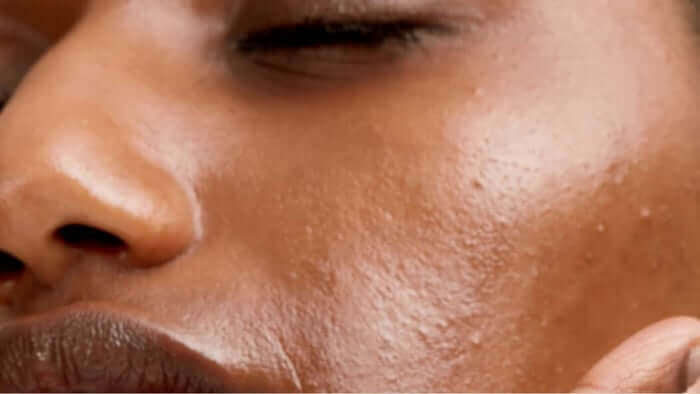

Hormonal acne. That deep, tender kind that appears right on cue with your cycle and refuses to budge no matter how many products you throw at it. If you're reading this, you already know it's not about how well you cleanse or whether you ate that piece of chocolate. It's about what's happening beneath the surface, driven by the complex chemistry of your hormones.
Here's what you need to know about hormonal breakouts, what makes them worse, and which products actually help without destroying your skin barrier in the process.
First, what makes hormonal acne different
Regular acne happens when pores get blocked with dead skin cells and excess oil. Hormonal acne goes deeper. It's triggered by fluctuations in androgens (male hormones that everyone has), which stimulate your sebaceous glands to produce more oil. This excess sebum creates the perfect environment for bacteria to flourish, leading to those characteristic deep, painful cysts along your jawline and chin.
Unlike surface-level breakouts, hormonal acne typically shows up as:
• Deep, inflamed nodules that hurt when you touch them
• Cysts concentrated around the lower face, jawline and neck
• Breakouts that flare predictably with your menstrual cycle
• Spots that take weeks to heal and often leave dark marks
The frustrating part? Because the trigger is internal, topical products alone won't fix it. But the right skincare can significantly reduce severity, speed healing, and prevent the scarring that often follows.
What throws your hormones off balance
Hormones are delicate. Beyond the obvious triggers like periods, pregnancy and menopause, several lifestyle factors can tip them into chaos.
Chronic stress
When you're stressed, your body pumps out cortisol. In the short term, this helps you cope. Long term? Cortisol triggers inflammation throughout your body and stimulates androgen production. More androgens mean more oil production, which means more breakouts. It also slows wound healing, so existing spots take longer to clear.
If your skin gets worse during exam periods, work deadlines or family drama, cortisol is likely the culprit.
Blood sugar spikes
Refined sugar doesn't just give you an energy crash. When your blood sugar spikes, your body produces more insulin. Insulin stimulates androgen production and increases insulin-like growth factor 1 (IGF-1), both of which ramp up sebum production. The result? More oil, more blocked pores, more inflammation.
This doesn't mean you need to quit sugar entirely. But if you notice breakouts after a weekend of indulgence, the connection is real.
Dairy consumption
Milk contains naturally occurring hormones and bioactive molecules that can disrupt your own hormone balance. It also stimulates IGF-1 production, just like sugar does. Many people find that reducing dairy intake leads to clearer skin within a few weeks.
Before making any major dietary changes, consult your GP or a registered nutritionist to ensure you're meeting your nutritional needs.

Coming off hormonal contraception
The pill maintains steady hormone levels to prevent pregnancy. When you stop taking it, your natural hormone production kicks back in, often with a vengeance. Androgens that were suppressed by the pill surge back, triggering a wave of breakouts that can last months or even years.
Post-pill acne is particularly frustrating because your skin might have been clear for years while on contraception. If this sounds familiar, our guide to post-pill skincare covers this in detail. A naturopath who specialises in hormonal health can also help your body find its balance again.
The products that actually help (without wrecking your barrier)
No topical product will balance your hormones. But the right routine can manage excess oil, reduce inflammation, speed healing, and prevent the dark marks that hormonal spots love to leave behind.
The key is choosing products that work with your skin's biology, not against it.

Start with the right cleanser
Cleansing sets the tone for everything else. Get it wrong and you'll either leave congestion behind or strip your barrier, triggering more oil production.
For a gentle approach that maintains your skin's pH, Middlemist Seven uses plant oils to dissolve dirt and makeup without any detergents. The camellia oil delivers fatty acids that actually strengthen your barrier while cleansing.
When you need deeper decongestion, PHAZE brings polyhydroxy acid (PHA) exfoliation in a foam format. Unlike harsh AHAs that can irritate sensitive skin, PHAs work at the surface to clear blocked pores while the formula's NMF Sugar Complex continues hydrating your skin for up to 72 hours after rinsing.
Balance oil production without stripping moisture
Hormonal skin needs hydration, just delivered in the right format. The Pioneer moisturiser provides exactly that: mattifying rice bran complex controls shine while thistle extract helps regulate sebum production over time. No alcohol, no pore-blocking ingredients, just balanced hydration.
For active breakouts, add All Becomes Clear serum. Its triple-action complex combines zinc (reduces oiliness and inflammation), copaiba (proven in clinical trials to reduce acne lesions), and hyaluronic acid (hydrates without adding oil). Use it all over problem areas or as a targeted spot treatment.
Night-time is repair time
This is where Carbon Star comes into its own. Yes, it's an oil for oily skin. Here's why that works: the black cumin seed oil contains thymoquinone, which has been shown in clinical trials to reduce acne severity by 78%. The vegetable charcoal physically absorbs excess sebum while you sleep. And the Amazonian oil complex (copaiba, andiroba, acai) delivers anti-inflammatory compounds through three different biochemical pathways.
Apply it to damp skin and watch it turn from black to clear as it absorbs. Wake up to calmer, clearer skin.
Playing the long game
Hormonal acne requires patience. Your hormone cycles operate on a monthly timeline, and it typically takes 2-3 cycles to see significant improvement from any intervention, whether that's skincare, diet changes, or supplements.
Track your breakouts alongside your cycle. Notice when they appear, how long they last, and what helps them heal faster. This data helps you spot patterns and adjust your routine accordingly.
Remember, the goal isn't perfection. It's progress. Fewer breakouts, faster healing, less scarring. Work with your skin's natural processes rather than declaring war on it, and you'll get there.
Need personalised advice for your hormonal skin? Book a free online consultation with one of our skin coaches. They'll help you build a routine that actually works for your skin's specific needs.
Frequently Asked Questions
What causes hormonal acne and how is it different from regular breakouts?
Hormonal acne is caused by fluctuations or imbalances in your hormone levels, not by poor cleansing or product reactions. It often presents as deeper red nodules or cysts that feel painful or tender, rather than the typical surface-level spots you might associate with other types of breakouts.
Can diet and lifestyle really affect hormonal acne?
Yes. Refined sugar can increase oestrogen production, which directly influences sebum levels, leading to excess oil and congestion. Dairy products can also stimulate hormonal imbalances that drive sebum overproduction, and chronic stress floods the body with cortisol, which triggers inflammation and spikes in hormone production that show up on your skin.
Why does coming off the contraceptive pill cause breakouts?
While you're on the pill, your hormone levels are carefully controlled. When you stop taking it, those levels are thrown off balance, and the disruption plays out on your skin. It can take anything from a couple of months to a couple of years for things to settle, so it's worth seeking advice from a doctor or naturopath if you think this is a factor.
What kind of cleanser is best for hormonal acne on sensitive skin?
A cleanser that clears congestion without stripping the skin's natural oil and pH balance is essential. Pai's Middlemist Seven is a 100% detergent-free cream cleanser that uses plant oils instead of surfactants to dissolve dirt without barrier damage, while PHAZE is a sulfate-free foaming gel with PHA exfoliation that decongests pores and deposits hydration that lasts up to 72 hours after rinsing.
How does Carbon Star overnight face oil help blemish-prone skin without blocking pores?
Carbon Star uses organic Black Cumin Seed Oil to fight acne-causing bacteria, vegetable charcoal to absorb excess sebum, and an Amazonian oil complex (Copaiba, Andiroba, Acai) to reduce inflammation. A 28-day clinical study with 20 subjects confirmed it is non-comedogenic, with less than 5% change in blocked pore ratio, so it rebalances oily skin overnight rather than clogging it.