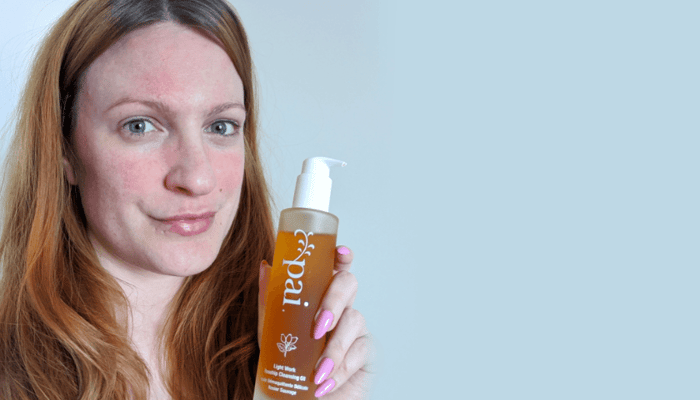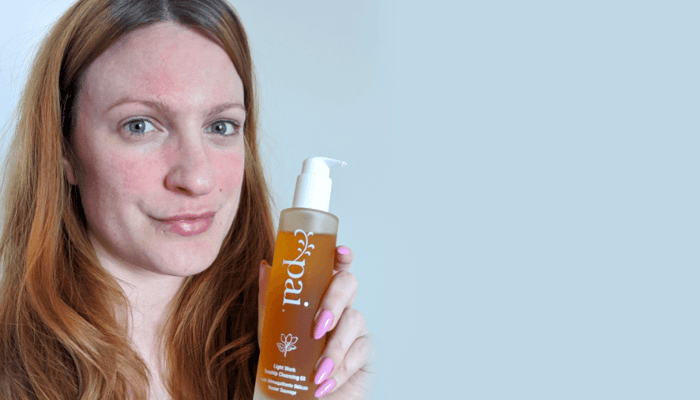

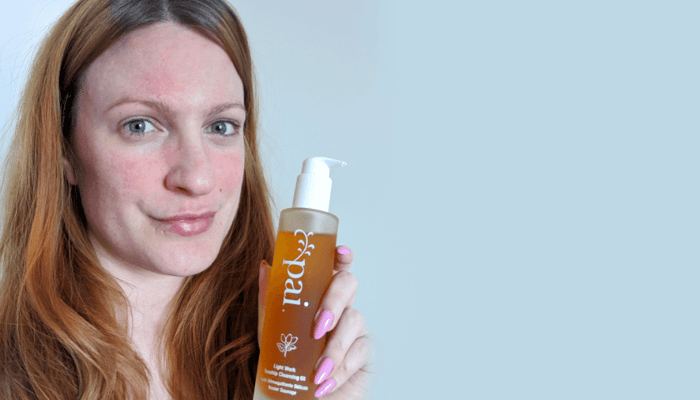
My name is Lex and I'm taking over Pai's blog today to talk about rosacea. I was first diagnosed at 21, about 15 years ago. Before my GP said that word, I'd never heard of 'rosacea' and had no idea how much that diagnosis would shape my life.
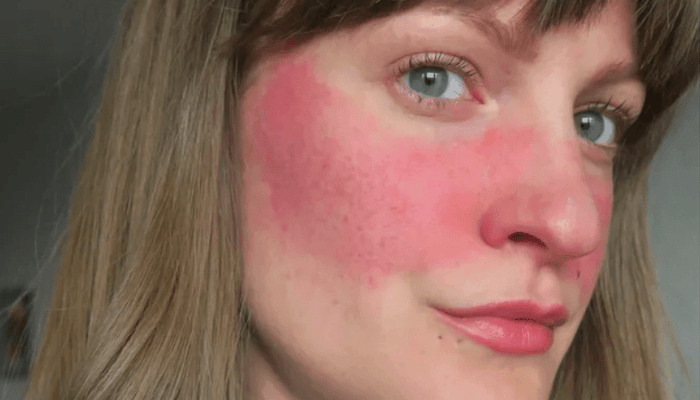
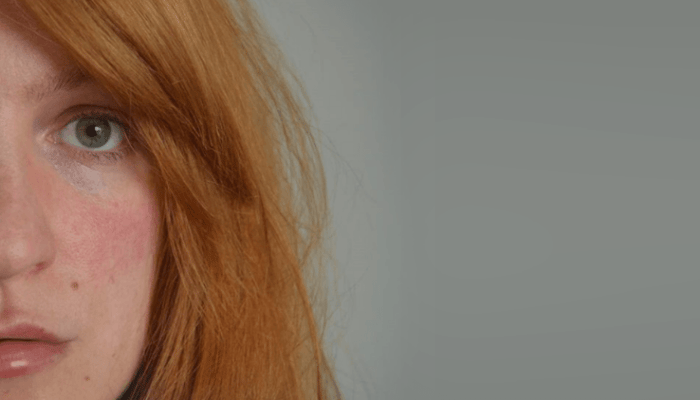
I'm fair-skinned, have always blushed easily, and had very sensitive skin, but I assumed that was just 'my normal'. It was only when I left home for university that something was clearly wrong: my occasional blushing turned into purple, mottled, burning patches on my face that lasted hours. My cheeks were covered with itchy pustules. I had no idea what to do.
I went to my GP assuming it was an allergic reaction that a simple cream would fix. I left that 10-minute appointment with a diagnosis of an incurable skin condition and felt completely lost. I turned to the internet and found US-based forums filled with fellow sufferers offering advice, tips, and most importantly, support. Seven years ago, I started talking about rosacea on my blog Talonted Lex and have never looked back. I try to offer advice and support to others, remembering exactly how it felt to leave that appointment with a diagnosis I didn't fully understand and not much else.
One of the trickiest things about rosacea is that it's so individual. For each person it may look and feel different, and triggers differ from person to person. But I have a few general tips for managing or minimising the effects of your rosacea:
Listen to your skin
I try to look at my rosacea as my body's way of setting off a distress flare. I'm doing something that my skin doesn't like and it's desperately trying to tell me. Your skin isn't your enemy (although it certainly feels like that at first!), it's your ally. Reframing how I viewed my rosacea was a huge step in not only accepting it but learning from it.
Identify your triggers
It took me a long time to work out what my skin did and didn't like, and I urge you to prioritise identifying your triggers. This not only helps me physically calm my rosacea, but I find it also helps me cope psychologically. I feel like I'm in control and taking steps each day to maintain my skin health. My biggest triggers are stress, extremes of temperature, sun, dairy, illness, pain, and alcohol. Some of these are easier to avoid than others!
Be realistic about your triggers
When I talk about triggers, it can sound overwhelming to some people. They see a huge list of all the things that might aggravate their skin and they're in disbelief, discouraged, or even angry. I've experienced all of those feelings.
What I try to show people is that you're in control of your skin and the daily decisions are yours to make with the information you have. I know that my skin doesn't react well to dairy, but a life without cheese (to me) is unthinkable. So every so often I'll eat the cheese and accept the consequences. Only you can know what's worth a flare up: cheese, red wine, weekly blow-dries, marathon running. Whatever your vice, you're the one who gets to decide.
Be patient
It takes a long time to work out how to listen to your skin and learn from what it tells you. Changes in diet, skincare, lifestyle all take weeks to bear fruit. Don't be discouraged.
Try to minimise stress
This is the one I still struggle with, because stress in its very nature is unavoidable and can spring from nowhere. A busy week at work, money issues, unexpected life events. You can't control the things that happen to you, but you can control the way you deal with them.
When I have a flare up I like to remind myself of three things: 'You've had flare ups before. You survived every single one. Worrying about them only makes them worse.' Other things to introduce into your routine are meditation, positive affirmations (like the one above), and visualisation. These may sound a bit 'woo-woo' to some, but the brain is a powerful tool. If stress can induce a negative mindset, it stands to reason that a positive mindset can help to reverse some of the effects. You can read more in my blog post here.
Educate yourself
Over time I taught myself to see through the sales tactics, skincare waffle, and confusing claims to find products and ingredients that truly work for my skin. I used to trust any brand who claimed they were 'suitable for sensitive skin', and I thought that 'organic', 'natural', and 'clean' automatically meant 'good'.
Ingredients I tend to avoid are tea tree, witch hazel, menthol, SLS, and added fragrance. I also avoid products that 'revitalise', 'energise', 'wake up', 'refresh', or use the word 'tingle'! On the other hand, my skin tends to love products with aloe, cucumber, rose, and chamomile. I gravitate towards products that use words like 'calming', 'soothing', and 'hydrating'.
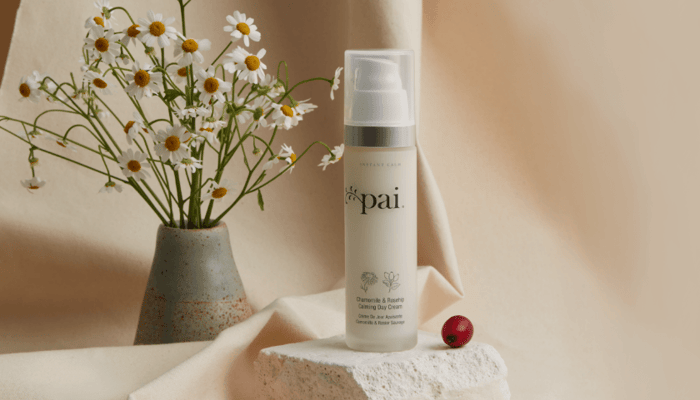
Sarah from Pai has formulated some brilliant products specifically for reactive skin. The Anthemis moisturiser has been a game-changer for me. It contains CO2-extracted chamomile, which preserves compounds that regular steam distillation destroys. The calming effect is immediate. For days when my skin feels particularly reactive, I also love the Century Flower mist with its rose and camellia ingredients. It's the perfect way to calm flare-ups throughout the day.
Simple is best
When people come to me asking for skincare advice, I always tell them to take everything back to basics. The bare minimum you need is cleanser, moisturiser, and SPF. Once you've got those three products sorted, then you can build from there if necessary.
You have rosacea, but it doesn't define you. You're still the same person you were before diagnosis. Please remember that your rosacea is the least interesting thing about you.
You can read more from Lex over on her blog Talonted Lex. For more tips on managing reactive skin, check out our guide to 25 Ways to Calmer Skin.
If you've got questions about your own skin, or aren't sure what the right products or routine are for you, we offer free 30-minute skin consultations. Book yours on paiskincare.live now.
Frequently Asked Questions
What are common rosacea triggers to look out for?
Triggers vary from person to person, but some of the most common include stress, extremes of temperature, sun exposure, dairy, illness, pain, and alcohol. The key is identifying your own personal triggers over time, which helps you feel more in control of your skin and make informed daily choices about what's worth a potential flare-up.
What ingredients should I avoid if I have rosacea?
Tea tree, witch hazel, menthol, SLS, and added fragrance are common irritants for rosacea-prone skin. Products that promise to "revitalise", "energise", or cause a "tingle" are also worth steering clear of, as that sensation often signals inflammation rather than the product "working".
What ingredients and products work well for rosacea-prone skin?
Ingredients like aloe, cucumber, rose, and chamomile tend to be well tolerated by reactive skin. Pai's Anthemis moisturiser, which contains CO2-extracted chamomile that preserves compounds lost in regular steam distillation, is highlighted as delivering an immediate calming effect. For on-the-go relief during flare-ups, the Century Flower mist with rose and camellia is a great option.
What's the best skincare routine for someone newly diagnosed with rosacea?
Start with the bare minimum: a gentle cleanser, a calming moisturiser, and SPF. Once those three basics are working well for your skin, you can slowly introduce additional products if needed. Keeping things simple reduces the risk of irritation and makes it much easier to identify what your skin does and doesn't like.
How can I manage the stress and emotional impact of rosacea flare-ups?
Stress is both a common trigger and a natural response to flare-ups, which can create a frustrating cycle. Techniques like meditation, positive affirmations, and visualisation can genuinely help. One useful reminder during a flare-up: you've survived every single one before, and worrying about it only makes it worse.