
Activated Charcoal in Skincare: What Actually Works (And What's Just Marketing)
Activated charcoal has had quite the journey. From ancient water purification to emergency rooms to your bathroom shelf. Now it's in everything from face masks to toothpaste to, yes, those black lattes that briefly took over Instagram.
But here's what matters: does charcoal actually do anything useful for your skin? The reality? It's complicated.
The Science of Activated Charcoal
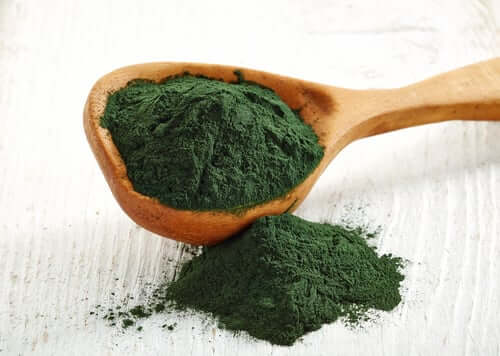
Activated charcoal isn't just burnt toast ground up (though that's essentially what some cheaper versions amount to). Proper activated charcoal starts as coconut shells, bamboo, or hardwood that's heated to 600-900°C in an oxygen-free environment. Then comes the activation: exposure to steam or chemicals creates millions of tiny pores, increasing the surface area to around 1,000 square metres per gram.
That's a tennis court's worth of surface area in a teaspoon.
These pores work through adsorption (not absorption). Molecules stick to the surface rather than being absorbed into it. In medicine, this property makes activated charcoal useful for certain poisonings. It binds toxins before they can be absorbed.
But on skin, things work differently.
What Charcoal Can and Can't Do for Skin
What it can do: Activated charcoal is genuinely good at binding to excess sebum and surface impurities. In a well-formulated mask or cleanser, it can help clear congested pores and remove environmental pollutants that sit on the skin's surface. Studies show it has some antimicrobial properties, particularly against Propionibacterium acnes.
What it can't do: Despite what some brands claim, charcoal cannot "detoxify" your skin. Your liver and kidneys handle detoxification. Charcoal also can't shrink pores (nothing topical can change pore size, which is genetically determined). And it definitely can't pull "toxins" from deep within your skin. If you actually had toxins in your dermis, a face mask would be the least of your concerns.
The biggest issue? Charcoal is indiscriminate. It'll bind to everything it touches, including the natural oils and ceramides your skin needs. Used too often, charcoal products can disrupt your skin barrier and trigger the exact oiliness they're meant to solve.
Why We Don't Use Activated Charcoal at Pai
We've tested activated charcoal formulations. Several times, actually. Each time, we came back to the same conclusion: for sensitive and reactive skin, charcoal is too aggressive.
When you're dealing with compromised barriers, rosacea, or general sensitivity, the last thing you need is an ingredient that strips everything in its path. It's the wrong tool for delicate work.
Instead, we use targeted ingredients that work with your skin's biology. Take our Carbon Star. Rather than charcoal, it uses Black Cumin Seed CO2 extract, which contains thymoquinone. This compound has been shown in peer-reviewed research to have anti-inflammatory and antimicrobial effects without disrupting the skin barrier.
For deeper cleansing, our Light Work Cleansing Oil uses the principle of "like dissolves like." Omega-rich oils dissolve excess sebum and makeup without stripping. No aggressive adsorption needed.
When Charcoal Makes Sense (And When to Skip It)
Consider charcoal if:
You have resilient, oily skin that genuinely overproduces sebum. You live in a heavily polluted city and want occasional deep cleansing (once a week, maximum). You've patch-tested and your skin tolerates it well.
Skip charcoal if:
You have sensitive, reactive, or barrier-compromised skin. You're dealing with active inflammation, rosacea, or eczema. You're already using acids or other actives (charcoal on top of these is asking for trouble).
The Charcoal Drinks Question
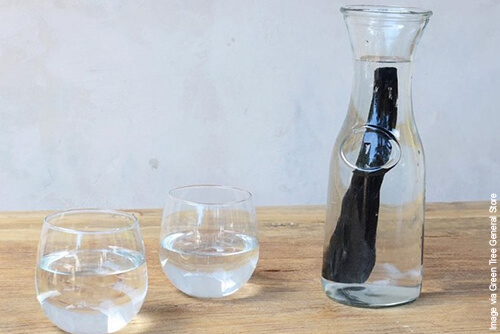
Since someone will ask: those activated charcoal lattes and supplements that were everywhere a few years back? Save your money. Ingesting activated charcoal can interfere with nutrient absorption and medication effectiveness. It's particularly risky if you're on birth control, antidepressants, or any regular medication.
Your body has sophisticated detoxification systems. They're called your liver and kidneys. Support them with adequate water, sleep, and whole foods. Not Instagram-friendly black drinks that can bind to the vitamins in your breakfast.
The Bottom Line on Charcoal
Activated charcoal isn't the villain or hero of skincare. It's a tool that works well for specific skin types in specific situations. But for most people, especially those with sensitive or compromised skin, gentler alternatives deliver better results without the risk.
At Pai, we believe in working with your skin's biology, not against it. Sometimes that means saying no to trendy ingredients that photograph well but don't serve our customers' actual needs.
Black masks that promise to 'detox' your skin are solving a problem that doesn't exist. Your skin needs balance, barrier support, and ingredients that understand the assignment.