
I pride myself on knowing my skin's triggers inside out. After years of managing thyroid-sensitive urticaria, I've got my routine down to a science. So when my skin started flaring up out of nowhere last autumn, I knew something was off.
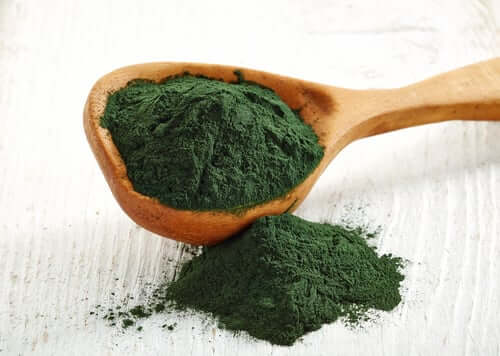
The culprit? My new daily spirulina supplement.
What followed was months of research into supplement science that taught me more about the hidden connections between what we take for our health and how our skin reacts than any dermatology textbook. If you're dealing with sensitive skin conditions, your supplement cabinet might be working against you.
The unexpected spirulina reaction
With 60% protein content, complete B-vitamin profile, and phycocyanin compounds that modulate immune response, spirulina has genuine nutritional credentials. But within a week of starting my daily dose, my urticaria was worse than it had been in months.
Red, raised welts appeared across my arms and neck. The itching was intense. And nothing in my usual management toolkit was helping.
After ruling out the usual suspects (stress levels were normal, I hadn't touched any of my known food triggers), I turned to the research. What I discovered changed how I think about supplements entirely.
Understanding thyroid-sensitive urticaria
Thyroid-sensitive urticaria is a specific type of chronic hives linked to thyroid function. Unlike acute urticaria (which appears and resolves quickly), this chronic form can persist for months or years, with flare-ups triggered by anything that affects thyroid activity.
The mechanism is fascinating: when thyroid hormone levels fluctuate, they can trigger mast cells in the skin to release histamine. This histamine release causes the characteristic welts, redness, and intense itching of urticaria. It's why many people with thyroid conditions also struggle with chronic skin issues.
For those of us with this condition, managing triggers becomes essential. Common culprits include:
• High-iodine foods (seaweed, shellfish, iodized salt)
• Stress and sleep deprivation
• Temperature extremes
• Certain medications
• And, as I discovered, some supplements
The spirulina-iodine connection
Here's where the detective work paid off. Spirulina's nutritional profile varies dramatically depending on where and how it's grown. Spirulina cultivated in seawater can contain extremely high levels of iodine. Some marine-grown spirulina contains up to 2,000 micrograms of iodine per serving. The recommended daily intake is just 150 micrograms.
For someone with thyroid-sensitive urticaria, this iodine overload is like throwing petrol on a fire. Excess iodine can suppress thyroid function in sensitive individuals, disrupting TSH levels and triggering mast cell degranulation that manifests as skin flares.
The frustrating part? Most spirulina supplements don't specify their iodine content or growth conditions on the label. You're essentially playing roulette with your skin.
Finding safer alternatives
After connecting with Claire, a nutritionist specialising in inflammatory conditions, I learned that supporting immune health with thyroid-sensitive urticaria requires a different approach. Instead of potentially problematic spirulina, she recommended focusing on:
Vitamin D supplementation: Critical for immune regulation and often deficient in those with chronic skin conditions. Studies show vitamin D can help modulate the inflammatory response.
Medicinal mushrooms: Reishi and cordyceps provide immune support without the thyroid interference. These adaptogens work by regulating rather than stimulating immune function. (This is actually why we chose mushroom adaptogens for some of our own formulations.)
Wheatgrass: High in vitamin A and alkalising compounds without the iodine load. It's particularly beneficial for skin health thanks to its chlorophyll content.
Baobab powder: Rich in vitamin C and prebiotic fibre, supporting both gut health and histamine balance without triggering flares.
The key insight? Always investigate the source and processing of any supplement. Freshwater-grown spirulina, for instance, contains minimal iodine and might be tolerated. But without clear labelling, it's a risk many of us can't afford to take.
Supporting sensitive skin from the inside out
This experience reinforced something I've always believed: managing sensitive skin isn't just about what you put on it. It's about understanding the whole system.
While I was sorting out my supplement routine, I also doubled down on my topical care. For anyone dealing with urticaria or similar sensitivity, a few products have been helpful:
Our Instant Kalmer has become my go-to during flares. The ceramide complex works to reduce inflammation at the cellular level, while the botanical extracts help strengthen the skin barrier. I keep it in the fridge for extra soothing power.
Post-flare, when my skin is recovering, I rely on Rosehip Bioregenerate oil. The CO2 extraction process preserves the natural trans-retinoic acid, which helps with healing without irritation. It's particularly good for the scarring that chronic urticaria can leave behind.
And for daily protection, a gentle moisturiser with ceramides helps maintain barrier function. When your skin is prone to inflammatory reactions, keeping that barrier intact is everything.
Lessons learned
My spirulina experiment taught me valuable lessons about supplement safety that I wish I'd known earlier:
1. Source matters more than the supplement itself. Marine-grown spirulina and freshwater spirulina might as well be different products when it comes to iodine content.
2. Your skin conditions should guide your supplement choices. What's healthy for most people might be problematic for those of us with specific sensitivities.
3. Always research interactions. Just as medications can interact, supplements can interfere with existing conditions in unexpected ways.
4. Trust your skin. If something new coincides with a flare, investigate immediately. Your skin often knows before your brain catches up.
Have you experienced unexpected reactions to supplements? Or found certain supplements that actually help your sensitive skin? I'd love to hear what's worked (or hasn't) for you. Because when it comes to managing chronic skin conditions, shared knowledge is invaluable.