
How to tell if your facial oil has oxidised
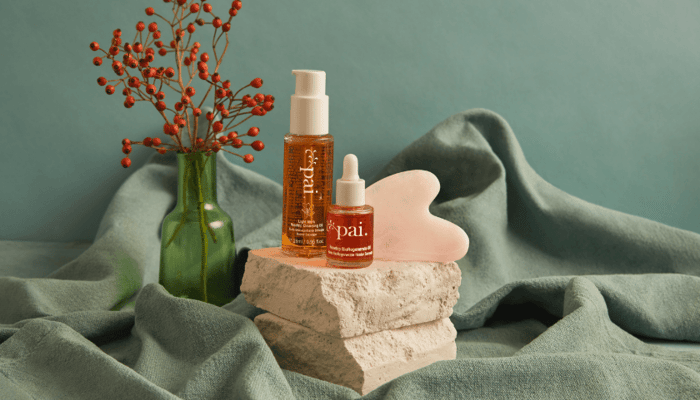
That £45 bottle of rosehip oil sitting on your bathroom shelf? It might have gone off three months ago. Most of us keep using facial oils until the very last drop, but oxidised oil is expensive disappointment in a bottle. Organic oils are fragile creatures. They oxidise faster than you'd think, especially if they're cold-pressed and exposed to air every time you unscrew that cap.
We get asked this constantly about our Rosehip BioRegenerate Oil. How long does it actually last? What happens if you keep using oxidised oil on your face? And most importantly, how can you tell when it's time to bin it?
Whether you're using Pai's rosehip or any other facial oil, this is exactly how to spot when your oil has turned.
Why facial oils are worth protecting
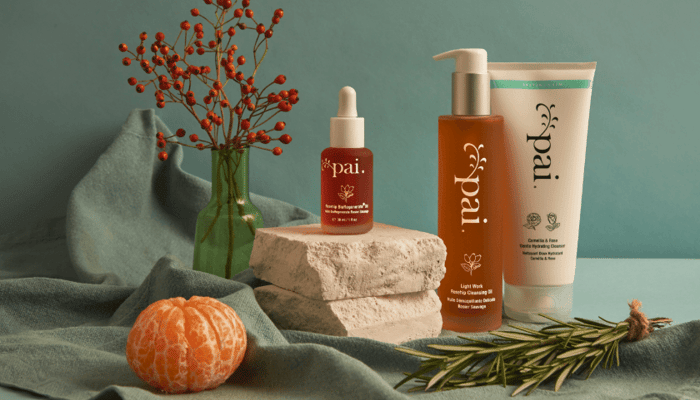
A 30ml bottle of good facial oil costs £45 because you're getting concentrated actives without fillers. They're concentrated actives without water content, which means higher percentages of the compounds that actually change your skin. The results show faster because there's no water to dilute the active compounds.
But that concentration is a double-edged sword. Organic facial oils oxidise the moment they meet oxygen and light. Many of us are unknowingly applying oils that have lost their potency months ago. Those antioxidant carotenoids that cost £45? They've degraded into compounds that do nothing for your skin.
Watch for these signs:
1. Trust your nose
Oxidised oils smell off. Think old cooking oil left in the pan, or butter that's been forgotten at the back of the fridge. It's musty, sour, and nothing like the fresh oil you first opened.
Good rosehip oil has a distinctive earthy scent. Some describe it as nutty or herbaceous. When it starts smelling rancid or metallic, that's oxidation talking.
2. Check the colour
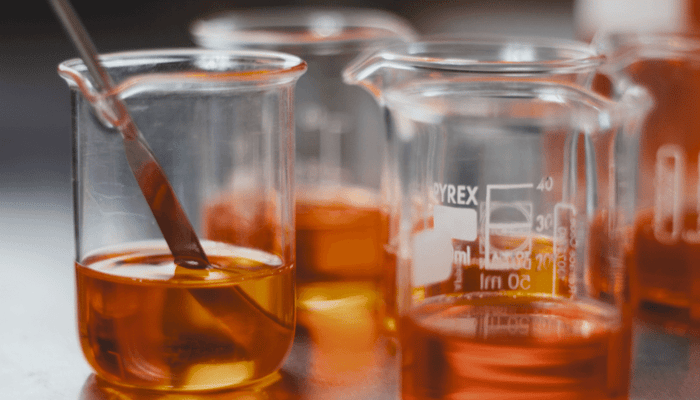
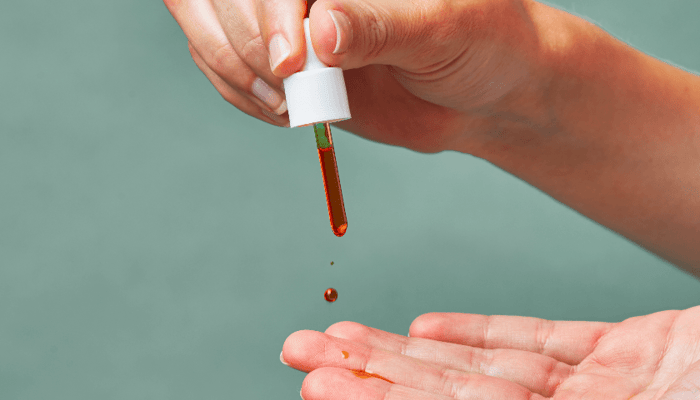
Fresh oils have vibrant, saturated colours. As they oxidise, they fade like a photograph left in sunlight.
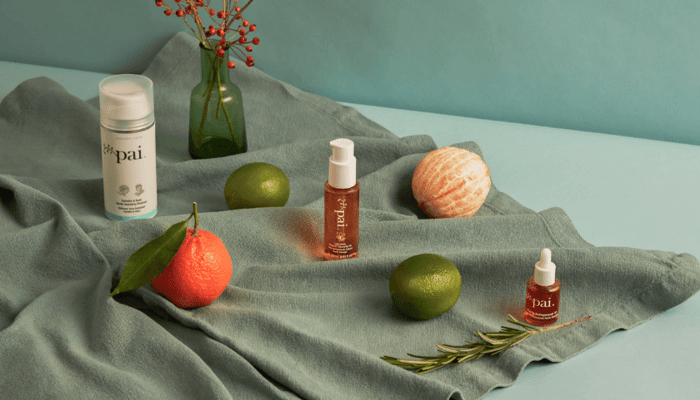
Take our Rosehip BioRegenerate Oil. It's a deep, vibrant orange when fresh, packed with carotenoids that protect and regenerate your skin. When rosehip oil turns pale golden or yellowy, those carotenoids have degraded. You're left with less potent oil that won't deliver the same results.

3. Know your oil's stability
Not all oils oxidise at the same rate. Oils rich in polyunsaturated fats feel gorgeous on skin but they're the most unstable.
Borage, hemp, and evening primrose oils are particularly vulnerable. These need extra care and faster use. Rosehip sits in the middle, while jojoba and argan are more stable thanks to their different fat profiles.
The extraction method matters too. Most rosehip oils are cold-pressed, which sounds good but actually accelerates oxidation. The friction creates heat (up to 49°C) and the oil is exposed to oxygen throughout the process.
How to keep your oils fresh longer
Make your investment last with proper storage. Keep oils in a cool, dark place. The original box isn't just packaging, it's protection from light. Always seal tightly after use. Oxygen is the enemy.
At Pai, we add natural vitamin E from sunflower to our Rosehip BioRegenerate Oil. This antioxidant extends the oil's life while adding extra skin protection against environmental damage.
We also use CO2 extraction instead of cold-pressing for our rosehip. No oxygen touches the oil during extraction, and the temperature stays around 30°C. The result? Our rosehip stays fresh for 18 months, compared to 3-6 months for typical cold-pressed oils.
Oxidised oil is expensive disappointment in a bottle. Check it regularly. Store it properly. And when it starts smelling funky or looking pale, let it go. Your skin will thank you for using fresh, potent oils that actually work.