
Is my skin dry or dehydrated?
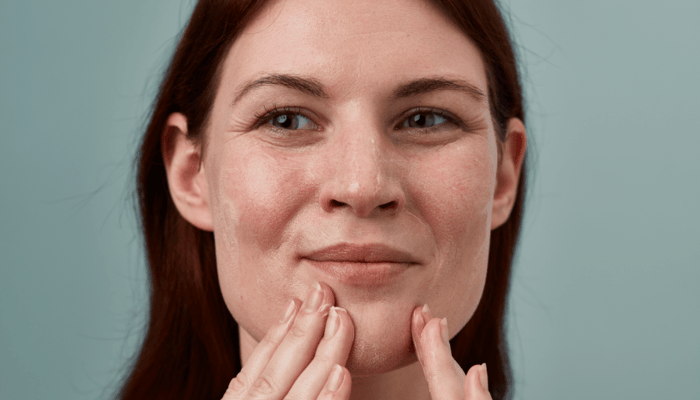
Here's the simplest test: pinch the skin on your cheek. If it bounces back instantly, you're hydrated. If it takes a second to recover, or worse, stays tented for a moment, you're dehydrated. This works because dehydrated skin lacks water in its cells, making it less elastic. Dry skin might fail this test too, but for different reasons.
Most people think dry and dehydrated are the same thing. They're not. Understanding the difference changes everything about how you treat your skin.
The actual difference between dry and dehydrated skin
Dry skin is a skin type. It's genetic, like your eye colour. Your sebaceous glands produce less oil than they should, leaving your skin chronically under-lubricated. No amount of water-drinking will fix it because it's not about water. It's about lipids.
Dehydrated skin is a condition. Anyone can get it. Even oily skin. It means the water content in your skin cells has dropped below optimal levels, usually because your barrier is compromised and can't hold moisture in. Fix the barrier, fix the dehydration.
The confusion happens because both can make skin feel tight, look dull, and show fine lines. But the solutions are completely different.
How to spot dry skin
Dry skin is consistently dry. It doesn't come and go with the weather or your skincare routine. The signs:
Visible flakes, especially around the nose and forehead. A rough texture that makeup clings to. Tightness that gets worse as the day goes on. Small pores (because minimal oil production means pores stay contracted). And if you have dry skin, you're statistically more likely to have eczema, psoriasis, or dermatitis. The lack of protective sebum leaves you vulnerable.

How to spot dehydrated skin
Dehydrated skin feels tight but looks shiny. That's the giveaway. It's not the healthy glow of well-hydrated skin, but a taut, stretched shine. Other signs:
Fine lines that appear suddenly, especially around the eyes. Makeup that looks patchy by lunchtime. Skin that feels simultaneously oily and parched. Dark circles that seem more pronounced. And that pinch test we started with.
Dehydration often hits after specific triggers: a long flight, too much alcohol, starting retinoids, over-exfoliating, or that week you forgot to drink anything but coffee.
What dry skin actually needs
Dry skin needs lipids. Specifically, it needs the fatty acids, ceramides, and wax esters that it can't produce enough of on its own. Water-based hydration helps, but without oils to seal it in, it evaporates within hours.
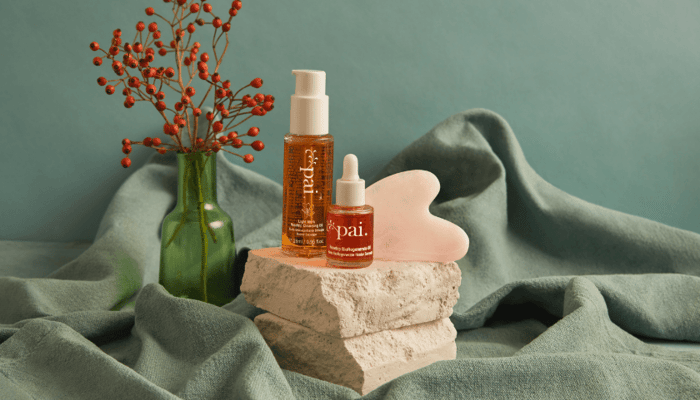
The gold standard for dry skin is jojoba oil, because it's not actually an oil. It's a liquid wax ester, the only plant-derived one in skincare. Its molecular structure mimics human sebum so closely that skin accepts it as its own. In Love And Haight, we combine jojoba with avocado oil (for vitamins A, D, and E), plus safflower and borage oils for their essential fatty acids. The result: rich hydration that absorbs completely, no greasy residue.
For mature dry skin that needs more intensive repair, Salvation Jane delivers echium oil's gamma-linolenic acid (GLA), which helps rebuild the lipid barrier from within.
What dehydrated skin actually needs
Dehydrated skin needs water, but not the kind you drink (though that helps). It needs water bound to humectants that pull moisture into skin cells and keep it there. The hero ingredient here is hyaluronic acid, which holds 1,000 times its weight in water.
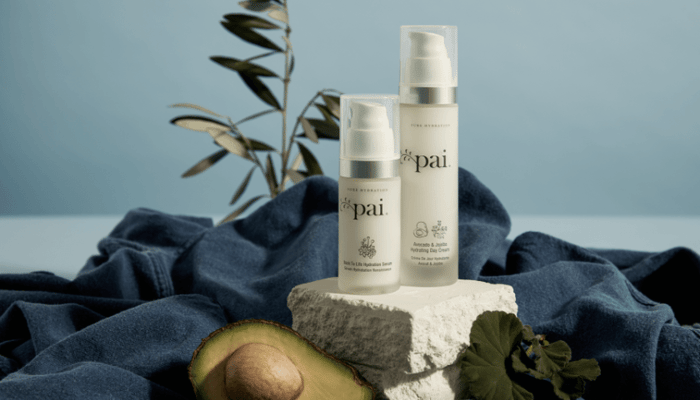
But here's what most brands won't tell you: hyaluronic acid alone isn't enough. You need multiple molecular weights to hydrate different skin layers, plus ingredients that support your barrier so the hydration doesn't escape. In Back To Life, we use hyaluronic acid alongside fermented inulin, a prebiotic that strengthens the skin's microbiome and helps restore barrier function.
Think of it this way: hyaluronic acid fills the tank, inulin fixes the leak.
The inside-out approach nutritionists consistently recommend (because it works)
Facialist and Nutritional Therapist Lisa Knowles puts it perfectly: "Drinking plenty of water will help, but eating natural, nutritious foods and keeping processed foods and drinks to a minimum will benefit your skin's condition immensely. Try adding more organic fruit and vegetables to your daily diet."
For dehydrated skin specifically, focus on water-rich foods (cucumber, watermelon, celery) and omega fatty acids from oily fish, walnuts, and flaxseeds. These support your skin's ability to hold moisture from within.
And yes, that third coffee is making it worse. Caffeine is a diuretic. So is alcohol. So is sitting in air-conditioned offices all day. Modern life is basically designed to dehydrate your skin.
The routine that works for both
Whether you're dry, dehydrated, or both, the basic principle stays the same: hydrate first, seal it in second.
Start with a hydrating serum on clean, slightly damp skin. The dampness helps the hyaluronic acid work better. Follow immediately with a moisturiser appropriate for your skin type. For dry skin, choose something lipid-rich. For dehydrated but oily skin, go lighter but don't skip this step. Even oily skin needs moisture.
At night, add a few drops of rosehip oil over your moisturiser. The extra barrier support helps prevent overnight water loss, which peaks around 4am when your skin's natural defences are lowest.
The bottom line
Dry is about oil. Dehydrated is about water. Dry is permanent (though manageable). Dehydrated is fixable. Most skin issues improve dramatically when you stop confusing the two.
Still not sure which camp you're in? Book a free consultation with our skin experts. They've seen every combination of dry, dehydrated, sensitive, and confused skin there is. They'll sort you out.