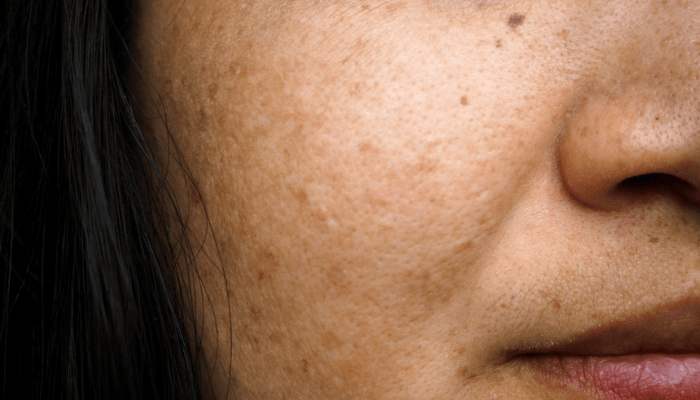

What is melasma?
Melasma shows up as symmetrical patches of brown or greyish pigmentation, typically across the cheekbones, upper lip, and forehead. The patches develop when melanocytes (your pigment-producing cells) go into overdrive, churning out excess melanin in specific areas.
According to the British Skin Foundation, melasma affects women far more than men - around 9 out of 10 cases occur in women, often appearing during pregnancy or when starting hormonal contraception. The condition is entirely harmless, though we know those patches can knock your confidence.
Worth knowing: melasma isn't contagious, it won't feel itchy or raised, and it has zero connection to skin cancer. It's simply your melanocytes working overtime in response to specific triggers.
Why melasma develops
Melanocytes normally produce melanin at a steady rate. With melasma, certain triggers cause them to produce excess melanin in specific patches. The most common culprits:
Hormones: Pregnancy (hence "pregnancy mask") and hormonal contraceptives are the biggest triggers. Oestrogen and progesterone stimulate melanocyte activity, which is why many women see melasma fade after delivery or switching birth control methods.
UV exposure: Sun doesn't cause melasma, but it makes existing patches darker and prevents fading. UV radiation directly stimulates melanin production and damages the skin's ability to regulate pigmentation.
Genetics: If your mother or sister has melasma, you're more likely to develop it. Certain ethnicities, particularly those with naturally higher melanin levels, see melasma more frequently.
Heat and inflammation: Even without UV exposure, heat alone can trigger melasma flares. Saunas, hot yoga, and inflammatory skin conditions all play a role.

Sarah's approach to treating melasma naturally
Pai's approach focuses on gentle, consistent care rather than aggressive treatments. The key is supporting your skin's natural repair processes while protecting it from further triggers.
Prevention comes first
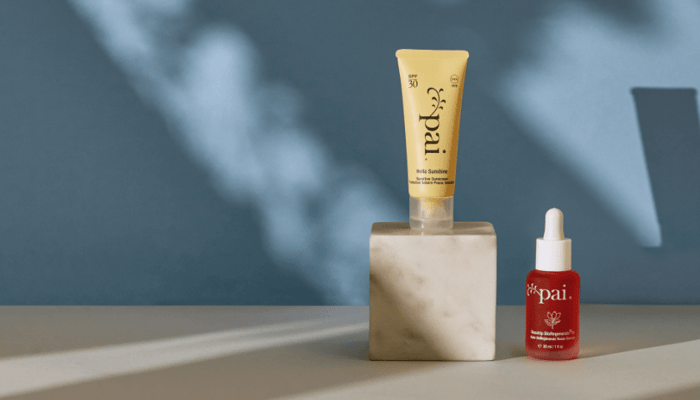
Daily SPF isn't optional with melasma. UV exposure triggers melanocyte activity even on cloudy days, making patches darker and slowing any progress you're making. Our British Summer Time SPF 30 provides mineral protection without the white cast or heavy texture that puts people off daily use. Apply it every morning, even if you're just sitting by a window.
Support skin regeneration overnight
Rosehip BioRegenerate Oil works particularly well for melasma because it addresses multiple pathways. The vitamin A naturally present in rosehip helps regulate melanocyte activity, while the high concentration of linoleic acid strengthens the skin barrier and reduces inflammation. Trans-retinoic acid (rosehip's natural retinoid) encourages cell turnover, helping fade existing pigmentation over time.
What makes our rosehip oil different is the CO2 extraction process, which preserves up to 700% more active compounds than cold-pressed versions. Those extra polyphenols and carotenoids translate to more effective brightening and regeneration.
Building your melasma routine
Morning: Gentle cleanse, hydrating serum if needed, then SPF 30. Reapply if you're outdoors for extended periods. Physical blockers (hats, seeking shade) matter as much as sunscreen.
Evening: Double cleanse to remove SPF thoroughly. Apply 2-3 drops of Rosehip BioRegenerate to clean, slightly damp skin. The dampness helps the oil spread and absorb better. Follow with your regular moisturiser if needed.
Weekly: Gentle exfoliation helps remove pigmented cells faster, but harsh scrubs will inflame skin and worsen melasma. Our guide to using rosehip oil includes a gentle enzyme mask recipe that brightens without irritation.
When progress stalls
Melasma tied to pregnancy or hormonal changes often fades naturally once hormones stabilise. Give it 6-12 months post-pregnancy or after changing contraception before considering stronger interventions.
For stubborn melasma unrelated to hormones, a dermatologist can offer prescription treatments. Some dermatologists now combine prescription treatments with barrier-supporting naturals like rosehip for better tolerance.
Heat management matters more than most people realise. If your melasma worsens despite perfect sun protection, look at your heat exposure. Hot showers, saunas, and even cooking over a hot stove can trigger flares.
The reality check
Melasma is stubborn. Natural treatments work, but they take time. Think months, not weeks. The upside? A gentle approach that supports overall skin health won't cause the rebound hyperpigmentation that aggressive treatments sometimes trigger.
Track progress with photos taken in the same lighting monthly. Day-to-day changes are invisible, but comparing month-to-month photos reveals gradual fading that keeps you motivated.
If you're navigating melasma or any pigmentation concern, our team offers free 30-minute consultations to build a routine that works for your specific triggers and skin type. Book yours here.
Frequently Asked Questions
What causes melasma and who is most likely to get it?
Melasma develops when melanocytes (your pigment-producing cells) go into overdrive and produce excess melanin in specific patches, typically across the cheekbones, upper lip, and forehead. According to the British Skin Foundation, around 9 out of 10 cases occur in women, with pregnancy and hormonal contraception being the biggest triggers. Genetics and naturally higher melanin levels also increase your likelihood of developing it.
Why is daily SPF so important for managing melasma?
UV exposure directly stimulates melanocyte activity even on cloudy days, making existing patches darker and undoing any progress your other treatments are making. A mineral SPF like Pai's British Summer Time SPF 30 should be applied every morning, even if you're just sitting by a window. Physical blockers like hats and seeking shade are equally important alongside sunscreen.
How does rosehip oil help fade melasma pigmentation?
Rosehip oil addresses melasma through multiple pathways: the naturally present vitamin A helps regulate melanocyte activity, linoleic acid strengthens the skin barrier and reduces inflammation, and trans-retinoic acid (rosehip's natural retinoid) encourages cell turnover to help fade existing pigmentation. Pai's Rosehip BioRegenerate uses CO2 supercritical extraction, which preserves up to 700% more polyphenols and carotenoids than cold-pressed versions, translating to more effective brightening and regeneration.
Can heat worsen melasma even without sun exposure?
Yes. Heat alone can trigger melasma flares independently of UV exposure. If your melasma worsens despite consistent sun protection, consider your heat exposure from sources like hot showers, saunas, hot yoga, and even cooking over a hot stove.