
But like most skincare 'rules', the reality is more interesting.
The truth is, both oils and creams are brilliant at hydrating skin. They just do it differently. And understanding how they work together is the key to skin that actually stays moisturised, not just feels it for twenty minutes after application.
The chemistry behind it
Oils are pure lipids. No water, no emulsifiers, just concentrated plant compounds. Our Rosehip Bioregenerate, for instance, is 99.8% organic rosehip extract. Nothing else.
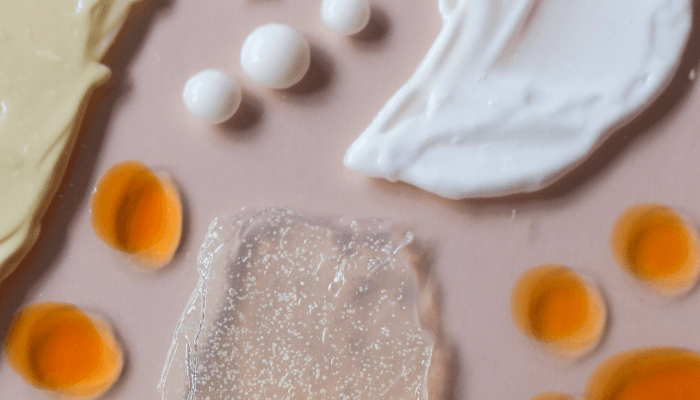
Creams are emulsions. They're 60-80% water, held together with fats and emulsifiers. This high water content is what delivers immediate hydration to thirsty skin cells. The fats and actives do the longer-term work of barrier repair and protection.
But here's the thing: because oils contain no water, they can't technically hydrate skin on their own. What they do brilliantly is seal existing moisture in, preventing transepidermal water loss (TEWL for short, or 'skin dehydration' for everyone else). They're the protective coat over your skin's moisture reserves.

Why oils work harder than you think
The advantage of oils is concentration. Without water taking up 80% of the formula, every drop is pure active ingredients. Omega fatty acids, antioxidants, plant sterols. All at much higher levels than you'd find in a cream.
Consider rosehip oil, for instance. In a cream, you might get 2-5% rosehip extract. In a pure oil, you're getting the full spectrum of regenerative compounds. If you're using CO2-extracted rosehip like ours, that means up to 700% more polyphenols than cold-pressed versions.
But all that concentration means nothing if your skin is dehydrated to begin with. Applying oil to dehydrated skin is like putting varnish on dry wood. It seals the surface, but doesn't address what's underneath.
The case for creams
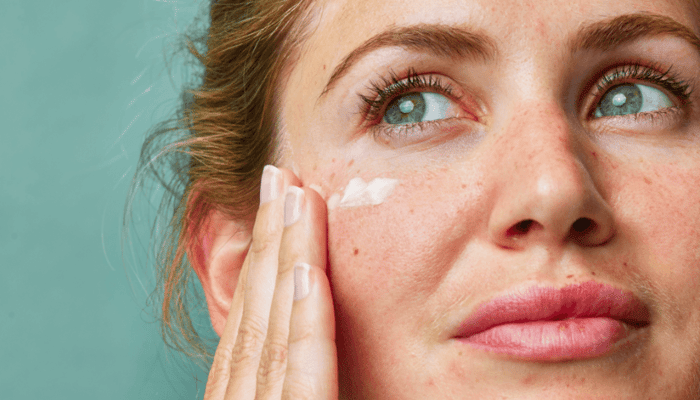
Creams deliver water directly to skin cells. That immediate plumping effect you feel? That's your skin cells drinking up the moisture. The clever ones also pack in humectants like vegetable glycerin, which pull moisture from the air and trap it in your skin.
The best moisturisers combine hydration with barrier-supporting ingredients. Ceramides, for instance, reinforce the skin's natural lipid barrier. Plant butters provide occlusivity to prevent moisture loss. Soothing actives like chamomile calm inflammation that can compromise barrier function.
Our The Anthemis uses all these mechanisms. The water content delivers instant hydration, while shea butter and rosehip oil create a protective layer that keeps it there.
The order matters (and here's why)
Apply cream first, oil second. Always.
Oils can penetrate through water-based products, but water can't penetrate through oil. Apply oil first and your moisturiser sits on top, unable to deliver its hydrating payload to your skin. Simple chemistry, but most people get it backwards.
The ideal routine: cleanse, apply any water-based serums, follow with your moisturiser, then seal everything in with a few drops of facial oil. This layering approach means your skin gets maximum hydration from the cream, maximum actives from the oil, and maximum protection from the combination.
When to use what
**Morning:** Most people prefer a lighter touch for daytime. A good moisturiser with SPF gives hydration and protection without the shine of an oil. Save the facial oil for evening unless your skin is particularly dry.
**Evening:** This is when oils come into their own. Your skin does its heavy repair work overnight, and oils provide both the raw materials (omegas, antioxidants) and the protective barrier that lets skin focus on regeneration rather than defence.
**Seasonal switches:** Winter skin often needs both oil and cream, morning and night. Summer skin might only need oil in the evening, or just a few drops mixed into your moisturiser for a lighter feel.
The bottom line
Stop thinking 'oil or cream' and start thinking 'oil and cream'. They're partners, not competitors. Cream hydrates, oil protects and treats. Together, they create the kind of lasting moisture that single products rarely achieve.
The beauty industry loves to create false choices. Natural or effective. Gentle or powerful. Oil or cream. The answer is almost always both.