
On one side, teenagers are bombarded with 12-step TikTok routines featuring retinol serums and chemical peels. On the other, there's the temptation to let them figure it out with whatever's on sale at Boots. Neither approach sets them up for success.
The truth is, teenage skin needs remarkably little. But those few things? They matter.
Why active ingredients are a terrible idea for teenage skin
Using retinoids, strong exfoliants, and anti-ageing actives on teenage skin isn't just unnecessary. It's actively harmful.
Between eight and 12, the skin's protective barrier is still developing. Even in the teen years, that barrier remains more vulnerable than adult skin. Loading it up with actives designed to accelerate cell turnover or strip away layers is asking for trouble: sensitivity, irritation, and damage that can last into adulthood.
"Vitamin A should only ever be used on adolescent skin as an acne treatment and under the strict supervision of a doctor," explains Sarah our Founder.
"Dangers aside, these potent ingredients are entirely unnecessary at such a young age – their bouncy, plump skin is full of the collagen, hyaluronic acid and elastin that we lose as we get older."
Teenage skin already turns over cells at peak efficiency. It produces optimal levels of collagen. The last thing it needs is products trying to make it work harder.
The only two products teenagers actually need
Teenage skincare comes down to two non-negotiables: sun protection in the morning, gentle cleansing in the evening. That's it. Everything else is optional.
Getting these two steps right matters more than any serum or treatment ever could.
Morning: Make sunscreen a habit they'll thank you for
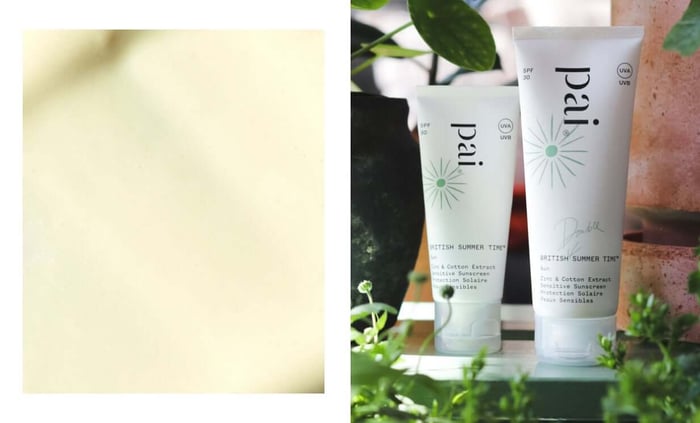
If you teach a teenager one skincare habit, make it daily SPF. Not because they'll see immediate results (they won't), but because sun damage is cumulative, starting from childhood. Every unprotected day adds up.
The challenge? Most sunscreens feel terrible. They're thick, they're white, they pill under makeup. No teenager is going to use something that makes them look ghostly in their Instagram stories.
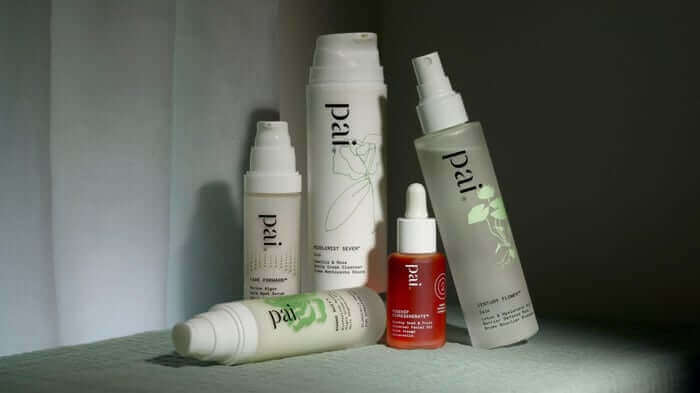
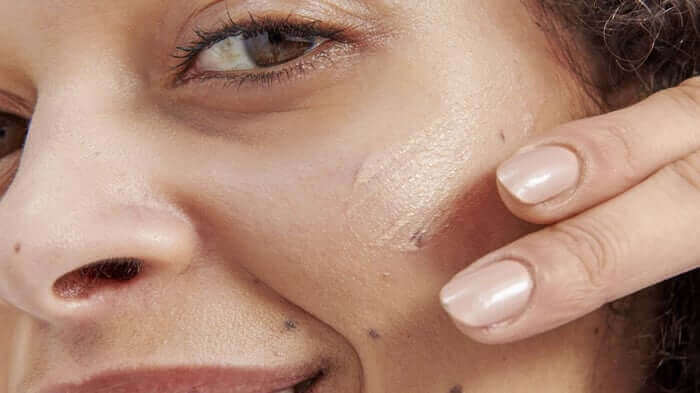
Our British Summer Time and British Summer Time Glow SPF30 solve this problem. Both use zinc oxide for broad-spectrum protection, but the formulas feel nothing like traditional mineral sunscreens. British Summer Time is invisible on all skin tones and doubles as a makeup primer. The Glow version adds a subtle radiance that makes skin look healthy, not shiny. Both are independently tested on sensitive skin, so even reactive teenage complexions stay calm.
The key to making SPF stick as a habit? It has to feel good. These do.
Evening: Why most teenage cleansers get it wrong
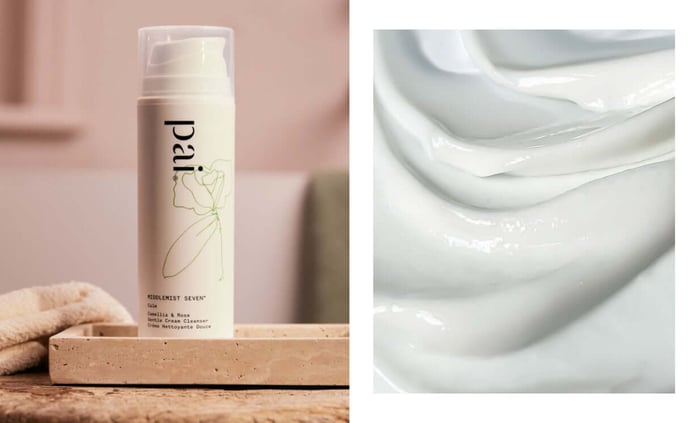
Walk down any skincare aisle and you'll see them: foaming cleansers marketed to teenagers, promising to "blast away oil" and "fight acne." They're usually neon-coloured, smell like artificial fruit, and contain enough surfactants to strip paint.
Those brands won't mention that harsh cleansing causes more breakouts, not fewer.
When you strip the skin's natural oils, it panics and produces more oil to compensate. When you disrupt the pH balance with alkaline cleansers, you create an environment where acne bacteria thrive. It's a vicious cycle that many adults are still trying to break decades later.
The solution? A cream cleanser that removes dirt and excess oil without declaring war on the skin barrier.
Sarah recommends Middlemist Seven for teenage skin. It uses plant oils to dissolve daily grime (oil removes oil, basic chemistry), while camellia seed oil actually nourishes the skin during cleansing. No surfactants, no stripping, no tightness. Just clean, balanced skin that's less likely to break out.
For teenagers dealing with hormonal breakouts, this approach might seem counterintuitive. But balanced skin is healthy skin. And healthy skin doesn't need to overproduce oil or harbour bacteria.
The patch test rule that could save years of sensitivity
Before any new product touches their face, teach your teenager to patch test. It's not glamorous, but neither is a full-face reaction.
As a brand, we take patch testing seriously. Every Pai product is tested on sensitive skin for 96 hours, way beyond the industry standard 24. But everyone's skin is different.
The method is simple: apply a small amount to the inside of the arm for three consecutive days. No reaction? It's probably safe for the face. Redness, itching, or irritation? That's valuable information that just saved them from a much bigger problem.
For teens who want to try multiple products, our Try Pai Kit offers sample sizes perfect for patch testing without committing to full sizes.
When teenage skin needs more help
Sometimes two products aren't enough. Hormonal acne, stress breakouts from exams, or skin conditions like eczema might need additional support. That's normal.
The key is adding one product at a time, choosing gentle formulas over aggressive treatments. Our guide to oily and blemish-prone skin covers targeted solutions that won't compromise the skin barrier.
Remember: teenage skin is resilient but reactive. Less really is more.
Still overwhelmed? We're here to help
Navigating teenage skincare doesn't have to be complicated. If you'd like personalised recommendations for your teenager's specific skin concerns, you can book a free consultation with our skin experts.
The best skincare routine for teens? It's the one they'll actually stick to.
Frequently Asked Questions
Why shouldn't teens and tweens use retinoids and exfoliating acids?
Young skin is naturally full of collagen, hyaluronic acid, and elastin, so potent actives like retinoids and exfoliants are entirely unnecessary. More importantly, tween skin (ages 8 to 12) hasn't fully developed its protective barrier yet, making it especially vulnerable to irritation and long-term sensitivity from these ingredients. As Pai's founder Sarah puts it, Vitamin A should only ever be used on adolescent skin as an acne treatment under strict medical supervision.
What does a good skincare routine for teenagers actually look like?
Keep it simple: a mineral sunscreen in the morning and a gentle cleanse in the evening. Not every teen will need products at all, but building those two habits early protects their skin now and sets them up for healthier skin long term. Resist the temptation to add serums, toners, or anything targeting ageing concerns they simply don't have.
What type of cleanser is best for teenage skin?
A mild, cream-based cleanser that hydrates and maintains the skin's natural pH balance is ideal. Avoid alcohol-based face washes, which tend to strip the skin and cause dryness. Pai's Middlemist Seven Gentle Cream Cleanser is a good option because it's 100% detergent-free, using plant oils like camellia and castor to clean without disrupting the skin barrier.
Why is sunscreen the most important skincare habit for teenagers?
Sun protection guards against skin cancer and is one of the biggest long-term investments you can make in your child's skin health and appearance. It's the habit most adults wish they'd started earlier. A gentle mineral sunscreen formulated for sensitive skin is the safest choice for younger complexions.
How should you patch test skincare products before using them on a teenager?
Apply a small amount of the product to the inside of your teenager's arm and repeat for a few consecutive days before trying it on their face. This gives you a clear picture of how their skin will react. Pai patch tests all products on sensitive skin for 96 hours, well beyond the industry standard of 24 hours, so tolerance is built into every formula from the start.