
Most skincare marketed to teenagers is formulated for adult skin barriers. On one side: the promise of clear skin and confidence. On the other: products that could damage young skin for years to come.
After 15 years of formulating for sensitive skin, we've seen the same pattern: teenagers using adult actives end up with compromised skin barriers.
Most skincare is too strong for young skin
Until skin reaches full maturity around 18, it has different needs from adult skin. Teenage skin already produces plenty of collagen, elastin, and hyaluronic acid. Those plumping, smoothing actives in anti-ageing products? Not only unnecessary, but potentially harmful.
The actives inside adult formulas can overwhelm an undeveloped skin barrier, causing damage, sensitivity, or skin concerns that wouldn't have appeared otherwise. It's not just wasteful, it's creating problems where none existed.
When products are too harsh: the warning signs
If your teenager's skin shows any of these symptoms, their products are likely too harsh:
- Persistent redness or irritation
- Dry, flaky patches (especially around active breakouts)
- Skin that feels tight or uncomfortable
- Increased sensitivity to temperature changes
- Breakouts getting worse, not better
These signs often mean the skin barrier is compromised. The solution isn't more products, it's gentler ones.
The actives timeline: what's safe when
Before 18: most actives are off-limits
Most exfoliating acids (AHAs, BHAs, PHAs) should wait until 18, when the skin barrier is fully developed. Same goes for peptides, collagen boosters, and concentrated hyaluronic acid serums.
The exception? If your teenager already has acne, a gentle BHA like salicylic acid can help. But start slowly. One drop mixed into a gentle moisturiser is enough to start. Build up gradually if needed. Under-12s shouldn't use acids at all.
After 25: the serious actives
Vitamin C and other intensive treatments need a mature, stable skin barrier. These powerhouse ingredients can transform adult skin. On young skin, they're asking for trouble.
The only exception? Prescription treatments for severe acne, under strict medical supervision. That's treatment, not skincare.
The one product that matters most
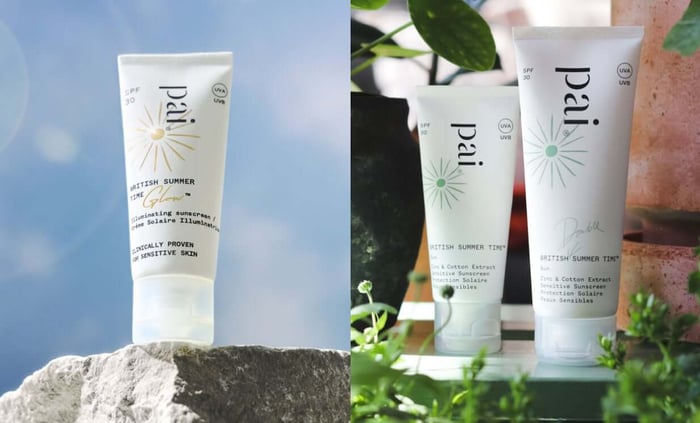
If teenagers buy nothing else, make it sunscreen. Around 90% of visible ageing comes from sun exposure accumulated since birth.
Daily SPF now means fewer dark spots, fine lines, and texture issues later. It's the single best investment in future skin. Choose a mineral sunscreen that won't clog pores or irritate sensitive teenage skin.
Managing teenage acne without harsh treatments
A dermatologist can offer prescription options for stubborn cases. But many teenagers find success with a gentler approach:
- Start with basics: gentle cleansing morning and evening
- Add a lightweight moisturiser (yes, even oily skin needs moisture)
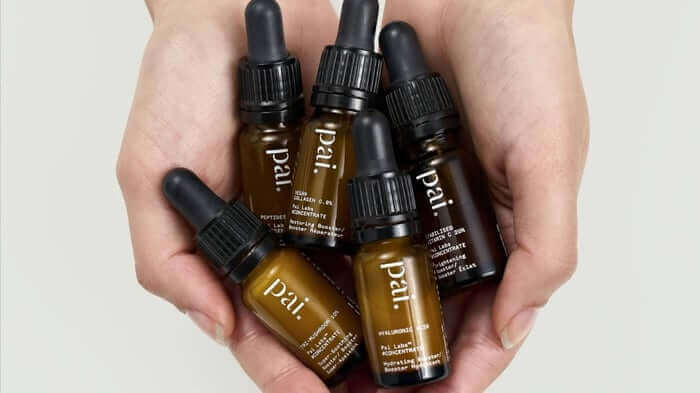
- For active breakouts: try our Salicylic Acid 2% Booster, starting with just one drop
- Give it time: skin takes 4-6 weeks to show real change
The diet connection
While hormones drive most teenage acne, diet plays a supporting role. High-glycaemic foods (sugary snacks, white bread, fizzy drinks) and dairy can feed acne bacteria (Cutibacterium acnes). No need for elimination diets, but noticing patterns helps.
For more detailed guidance on managing oily skin and acne, check our complete guide to acne management.
Social media vs science
TikTok skincare trends spread faster than fact-checkers can debunk them. The 10-step routines, the chemical peels, the prescription-strength actives promoted by influencers who aren't dermatologists? They're entertainment, not education.
After 15 years formulating skincare, we've never seen an overnight transformation that lasted. It's less exciting than TikTok trends, but it actually works.
Building a sensible routine
For most teenagers, simpler is better:
Morning:
1. Gentle cleanser
2. Lightweight moisturiser
3. SPF (every single day)
Evening:
1. Gentle cleanser
2. Treatment product if needed (like salicylic acid for breakouts)
3. Moisturiser
That's it. No seven serums. No acids unless truly needed. Just consistent, gentle care that respects young skin's natural balance.
Get personalised advice
Still unsure what's right for your teenager's skin? Our trained skin coaches offer free consultations tailored to young skin's specific needs. No sales pressure. Just honest, science-backed advice from people who understand that teenage skin is different.
Book a consultation here, or explore our guide to eczema myths if your teenager deals with chronic skin conditions.
Healthy skin for life starts with respecting young skin's natural barrier now. Teaching teenagers to use appropriate products sets them up for decades of better skin ahead. Sometimes the most caring thing you can do is less, not more.
Frequently Asked Questions
Why shouldn't teenagers use the same skincare products as adults?
Teenage skin is already naturally rich in collagen, hyaluronic acid, and elastin, so the active ingredients in anti-ageing products offer zero benefit. Worse, potent actives can overwhelm an undeveloped skin barrier, potentially causing damage, sensitivity, or avoidable skin concerns later in life.
What skincare ingredients should teenagers avoid, and until what age?
Exfoliating acids (AHAs, BHAs, PHAs), Hyaluronic Acid, Peptides, and Collagen are best left until age 18, unless a teen is already dealing with acne. Even more potent actives like Vitamin C and retinoids (Retinol, Retinal, Retinoic Acid) should wait until your mid-20s, when the skin barrier is fully mature and stable enough to handle them.
Is there a gentler alternative to Benzoyl Peroxide for teenage acne?
Salicylic acid can be a good option. It's a beta hydroxy acid (BHA) that's oil-soluble, meaning it penetrates inside pores to dissolve the dead skin cells and sebum that cause spots. Pai's Salicylic Acid 2% Booster lets you add just 1-2 drops to a gentle moisturiser so you can control the dose, though it's not recommended for under-12s as acids can do more harm than good on very young skin.
Why is sunscreen the most important product for a teenager's skincare routine?
Around 90% of the visible signs of ageing we see in adulthood come from sun exposure accumulated since birth. Daily sunscreen during your teenage years is genuinely the most effective thing you can do to prevent premature ageing, saving you a lifetime of treatments and expensive products down the line.
What does a good simple skincare routine look like for a teenager?
Keep it minimal: a gentle cleanser and a moisturiser suited to your skin type. A detergent-free cream cleanser like Middlemist Seven removes dirt and makeup without stripping the skin's natural oils, while a simple soothing moisturiser like The Anthemis keeps skin calm and hydrated. If acne is a concern, also consider whether dairy and sugar intake might be feeding acne bacteria (P-acnes).