
Rosacea: What It Is, Why It Happens, and How to Calm It
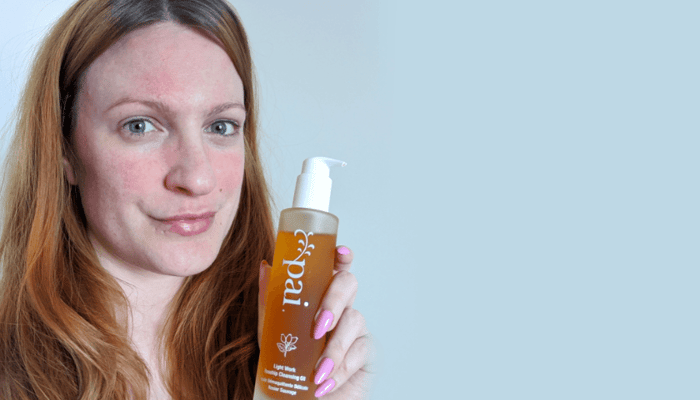
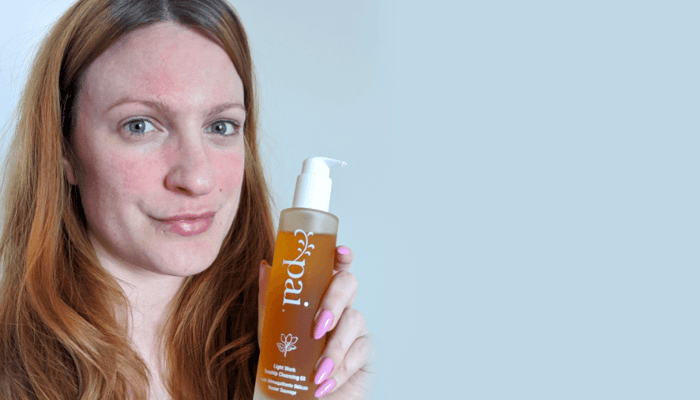
That constant flush across your cheeks that won't quit. The burning sensation when you walk from cold air into a warm room. The visible capillaries that seem to multiply overnight. If this sounds familiar, you're looking at rosacea.
April is Rosacea Awareness Month, which makes it the perfect time to talk about this frustratingly common condition that affects one in ten people in the UK. Consider this your complete guide: what triggers those flare-ups, why your skin rebels against temperature changes, and which products actually help (spoiler: it's not the harsh treatments your GP might suggest first).
Sensitive skin and rosacea go hand in hand. When your barrier is already compromised, every environmental shift becomes a potential trigger. Cold wind followed by central heating. Humid summer days. That third coffee. Your skin's inflammatory response fires faster and harder than it should, and suddenly you're dealing with another flare-up.
Understanding your specific triggers is half the battle. The other half? Building a routine that calms inflammation while strengthening your barrier.
What Is Rosacea, Exactly?
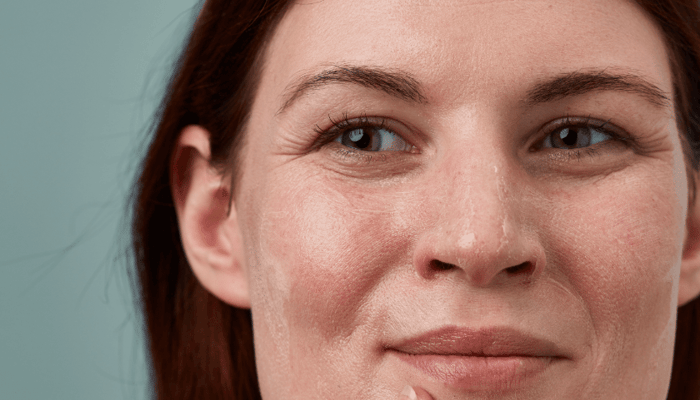
Rosacea happens when your blood vessels decide to throw a party nobody asked for. They dilate and stay dilated, creating that persistent flush across your cheeks, nose, and sometimes forehead and chin.
The symptoms go beyond simple redness. You might notice dilated capillaries creating a web of visible vessels under the skin. Small, hard bumps that look like acne but aren't (they won't respond to typical acne treatments). A burning or stinging sensation, especially when applying products. Skin that feels hot to the touch during a flare.
Unlike acne, rosacea doesn't make your skin oilier. You won't see blackheads or experience the kind of scarring acne leaves behind. What you will see is skin that overreacts to everything.
The condition typically shows up after 30, loves fair skin (though it affects all skin tones), and has a particular fondness for women. Pregnancy can trigger it. Perimenopause can make it worse. There's evidence it runs in families, which is annoying but at least explains why your mum's cheeks flush at the same triggers yours do.
The Triggers That Set Your Skin Off
Rosacea-prone skin treats temperature changes like personal attacks. Walking from an air-conditioned office into summer heat? Flare-up. Stepping from winter cold into a warm shop? Your cheeks are already burning. When it's freezing, wrap a soft scarf around your face before heading out. In summer, seek shade like your skin depends on it. Because it does.
Here are the most common triggers (yes, they're all the fun ones):
- Caffeine (that morning flat white is not your friend)
- Spicy food (goodbye, sriracha)
- Alcohol (red wine is the worst offender)
- Sun exposure (even on cloudy days)
- Stress (as if you needed another reason to hate it)
- Hot baths and showers
- Exercise that makes you overheat
According to the National Rosacea Society, certain skincare ingredients make everything worse. Our guide to ingredients to avoid names names: alcohol denat, synthetic fragrance, menthol, eucalyptus, and witch hazel are the usual suspects.
Stress deserves its own paragraph because it's both trigger and amplifier. When cortisol spikes, so does inflammation. Your skin's inflammatory response goes into overdrive, blood vessels dilate more readily, and suddenly you're dealing with a flare that takes days to calm. Managing stress isn't just good life advice. For rosacea, it's treatment.
Keep a skin diary for two weeks. Note what you ate, how you felt, the weather, your skincare routine, and any flare-ups. Patterns emerge fast. Maybe it's not all red wine that triggers you, just Cabernet. Maybe your skin tolerates coffee but not energy drinks. The more specific your knowledge, the better you can navigate life without constant flares.
The Products That Actually Help
Most prescription rosacea treatments start with benzoyl peroxide, metronidazole, or azelaic acid. They work by killing bacteria and reducing inflammation, but here's the thing: they're harsh. Benzoyl peroxide in particular can leave already-sensitive skin feeling stripped and angry, potentially making redness worse before it gets better.
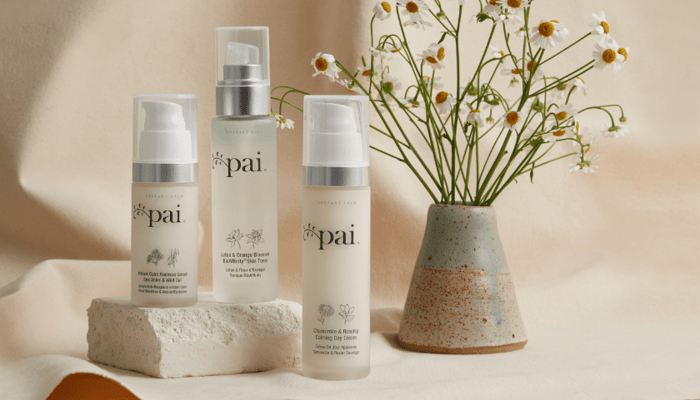
The smarter approach? Calm the inflammation while rebuilding the barrier. The Anthemis uses CO2-extracted German chamomile, which contains matricin, bisabolol, and chamazulene. These compounds work through multiple pathways to suppress inflammation. Clinical studies have shown chamomile extract matches hydrocortisone for anti-inflammatory power, without the side effects of long-term steroid use.
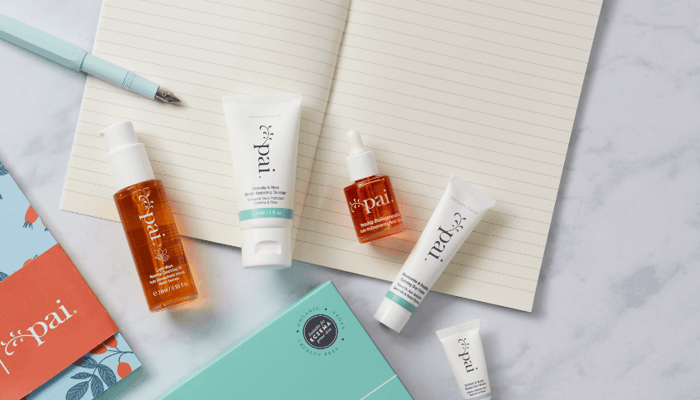
Pair it with Rosehip BioRegenerate Oil. The CO2 extraction preserves trans-retinoic acid and essential fatty acids that repair barrier damage. Rosehip also contains natural vitamin A that helps normalize skin cell turnover without the irritation of prescription retinoids. One drop mixed with your moisturizer at night. Two if your skin is particularly angry.
For immediate cooling during a flare, The Soother delivers concentrated sea aster and wild oat. These ingredients reduce visible redness within minutes by constricting dilated capillaries and suppressing the inflammatory cascade. Keep it in the fridge. Cold application doubles the soothing effect.
The Inside-Out Approach
Your skin reflects your internal state. For rosacea, that means addressing inflammation from within.
Essential fatty acids are non-negotiable. Omega-3s from oily fish, flaxseed, and walnuts reduce inflammatory markers throughout your body. Aim for 2-3 portions of salmon, mackerel, or sardines weekly. Vegetarian? A high-grade algae-based omega-3 supplement delivers the same EPA and DHA.
Pycnogenol (pine bark extract) deserves a mention. Studies show 75-150mg daily reduces rosacea symptoms, likely through its antioxidant and anti-inflammatory effects. It's not cheap, but for stubborn rosacea, it's worth trying for three months.
Probiotics matter too. Your gut microbiome influences systemic inflammation. A quality probiotic with Lactobacillus and Bifidobacterium strains can help modulate your inflammatory response from the inside.
Building Your Anti-Rosacea Routine
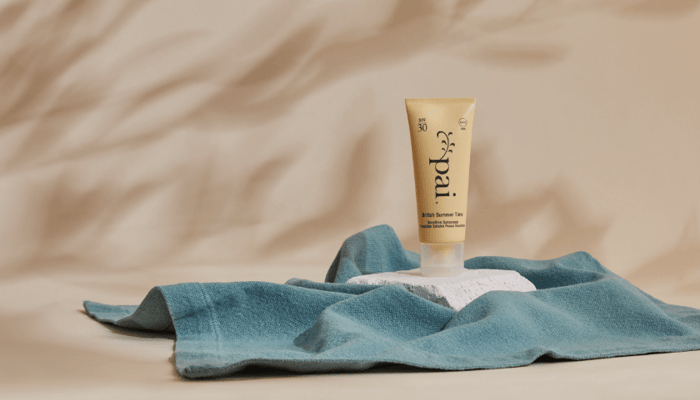
Morning: Cleanse gently (no foam, no sulfates). British Summer Time SPF 30 is your non-negotiable final step. Mineral sunscreens are gentler on rosacea than chemical ones.
Evening: Remove SPF and daily grime without disruption. Apply treatment products to clean, dry skin. Less is more. Rosacea skin doesn't want seven steps.
During flares: Strip back to absolute basics. Gentle cleanser, calming moisturizer, SPF. Nothing else until the storm passes.
The Reality Check
Rosacea is chronic. It's not going anywhere. But with the right products, known triggers avoided, and stress somewhat managed, you can have weeks or even months of calm skin. The flares become shorter, less severe, more manageable.
If you're struggling to find the right routine, we offer free 30-minute skin consultations. Book yours on paiskincare.live. Sometimes an outside eye spots patterns you've missed.
Remember: your skin is reactive, not broken. It just needs products that understand the assignment. Calm the inflammation. Strengthen the barrier. Skip the harsh treatments. That's the path to skin that looks like skin again, not a constant state of alarm.