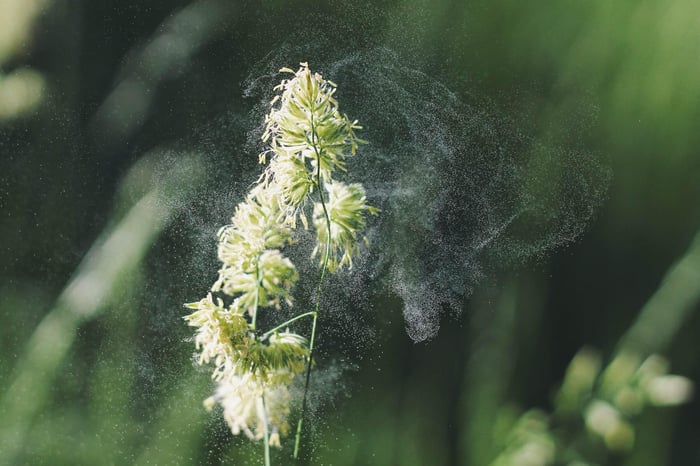

If antihistamines leave you feeling drowsy or you're looking for additional support, natural alternatives work differently.
While conventional antihistamines work by blocking histamine receptors after your body has already panicked, natural alternatives take a different approach. They help your body calm its overenthusiastic response to pollen before the cascade begins.
Quercetin: Nature's antihistamine
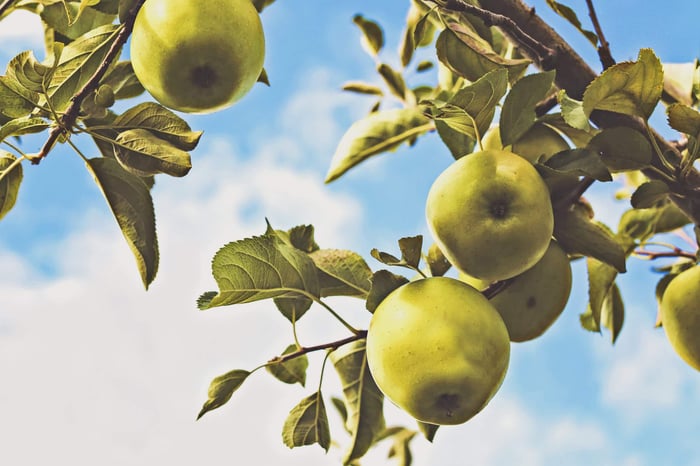
Found in apples, onions, and bell peppers, quercetin is the plant compound that gives some fruits and vegetables their vibrant colour. The cellular mechanism is what makes quercetin effective for hay fever.
Laboratory studies show quercetin prevents mast cells from releasing histamine in the first place. Think of mast cells as your body's alarm system. When pollen arrives, they sound the alarm by releasing histamine. Quercetin essentially tells them to calm down.
While eating quercetin-rich foods helps, therapeutic doses typically require supplementation. Many naturopaths suggest 500mg twice daily during allergy season, though it's worth checking with your healthcare provider first.
Bromelain: The pineapple enzyme
This proteolytic enzyme from pineapple cores does more than aid digestion. Research suggests bromelain reduces the inflammatory response that makes your eyes water and nose run.
The problem is you'd need to eat an impossible amount of pineapple to get a therapeutic dose. Supplements typically contain 50-100mg, taken between meals for best absorption. Bromelain works particularly well when combined with quercetin, which is why you'll often find them together in natural allergy formulas.
Vitamin C: The histamine regulator
Vitamin C helps break down histamine in your bloodstream, something often overlooked in conventional allergy treatment. Studies show people with low vitamin C levels often have higher circulating histamine, making them more reactive to allergens.
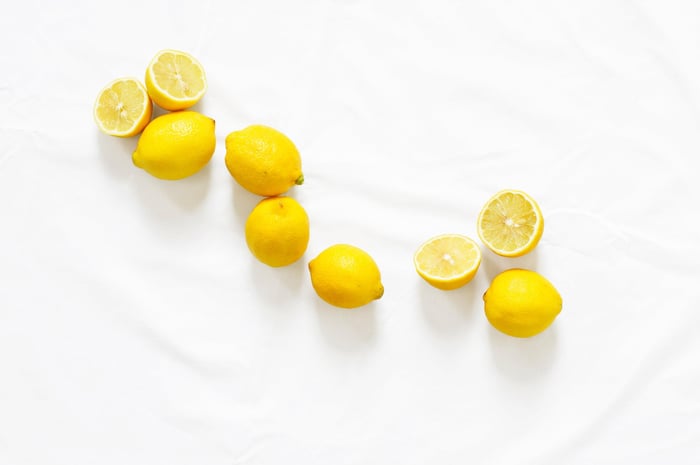
Load up on citrus fruits, strawberries, kiwis, and leafy greens throughout allergy season. The water-soluble nature of vitamin C means your body can't store it, so consistent daily intake matters more than megadoses.
Stinging nettle: The unlikely ally
Stinging nettle, despite its reputation, contains compounds that inhibit inflammatory pathways involved in allergic responses.
One study found 48% of participants rated nettle tea or capsules more effective than their previous allergy medications. The freeze-dried leaf capsules tend to be more potent than tea, but both can help. Start with nettle tea as part of your morning routine and see how you respond.

Acupuncture: How acupuncture rebalances your allergy response
If supplements aren't your thing, acupuncture offers a completely different approach. Traditional Chinese Medicine views hay fever as an imbalance in the body's defensive qi, often related to the lung and kidney meridians.
A German study published in the Annals of Internal Medicine followed 422 hay fever sufferers through two allergy seasons. Those receiving acupuncture used significantly fewer antihistamines and reported better quality of life scores. The effects lasted throughout the treatment period but did fade once sessions stopped.
Supporting your skin through allergy season
Hay fever doesn't just affect your nose and eyes. The histamine response can leave skin feeling reactive, itchy, and generally unhappy. When your body's in inflammatory overdrive, your skin barrier often suffers.
This is where a calming skincare routine becomes essential. Our Anthemis Chamomile Daily Moisturiser contains CO2-extracted German chamomile, which naturally inhibits histamine release at the skin level. For particularly reactive days, the Instant Calm Redness Serum delivers concentrated anti-inflammatory actives to cool the skin's stress response.
Creating your natural hay fever protocol
The most effective approach combines several strategies:
Two weeks before your usual hay fever season: Start quercetin supplementation to build up levels in your system. Add daily nettle tea to your routine.
During peak pollen times: Continue quercetin, add bromelain between meals, and ensure you're getting plenty of vitamin C through food. Consider weekly acupuncture if symptoms are severe.
Daily management: Rinse your face with cool water after being outside to remove pollen. Apply a barrier-supporting moisturiser morning and night. Change pillowcases frequently during high pollen days.
Remember, these suggestions aren't medical advice. Always consult your healthcare provider before starting new supplements, especially if you're taking other medications. What works brilliantly for one person might not suit another.
Natural approaches work by modulating immune response and reducing inflammatory cascade activation, rather than blocking histamine receptors after the reaction has started. With patience and the right combination, you might find yourself actually enjoying spring again.