
Dry, itchy, scaly patches on your face? That's facial eczema. Also known as atopic dermatitis, it's the same inflammatory condition that affects bodies and hands, only this time it's turned up on your cheeks, around your eyes, or on your scalp.
Eczema affects one in ten adults in the UK. When it's on your face, it feels more visible, more uncomfortable, and harder to manage. But with the right skincare routine and a few lifestyle tweaks, you can calm flare-ups and strengthen your skin barrier.
Watch Sarah's top 5 tips for managing eczema
What triggers facial eczema?
Eczema often runs in families, but flare-ups have specific triggers: stress, skincare ingredients, environmental factors, and lifestyle choices. The preservative Methylisothiazolinone (MI) has been particularly problematic in recent years, causing reactions even in people who never had sensitive skin before.
Common eczema triggers:
- Food allergies and intolerances
- Stress and poor sleep
- Temperature extremes and sweating
- Very dry or humid conditions
- Sun exposure
- Cold, harsh weather
- Wool and synthetic fabrics
- Harsh skincare ingredients and detergents
Recognising facial eczema
Eczema looks different on everyone. For some, it's small patches of dry, cracked skin that itch occasionally. For others, it's widespread inflammation that never stops itching. Eczema differs from simple dry skin in one crucial way: it won't clear up on its own, no matter how much moisturiser you use.
On lighter skin, eczema typically shows as red patches. On darker skin tones, it often appears brown, purple or grey. The symptoms stay consistent across skin tones:
- Red, brown, purple or grey patches
- Dry, flaky skin
- Patches lighter or darker than your usual skin tone
- Persistent itching
- Cracked or weeping skin
- Rough, scaly texture
- Irritation in skin creases
- Crusting where scratched
The itch-scratch cycle makes everything worse. Scratching damages the skin barrier further, leading to more inflammation, more itching, and potential infection. Breaking this cycle is key to managing eczema.
Three types of facial eczema
Knowing which type you have helps you treat it effectively.
Atopic dermatitis
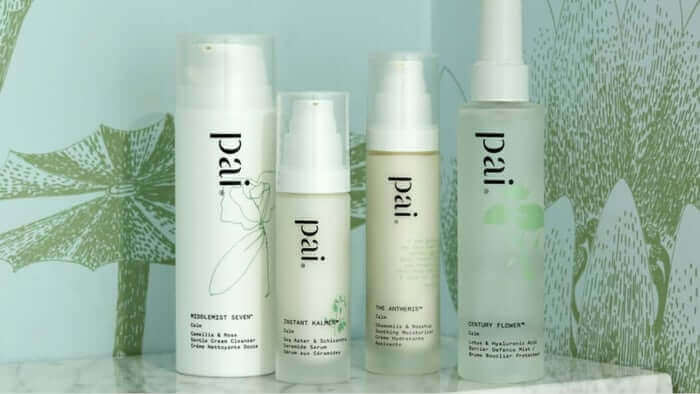
The most common form, often linked to asthma or hayfever. It typically starts in childhood but can appear at any age. The main characteristic? That relentless itch. For atopic dermatitis, focus on barrier repair with ceramide-rich products like our Instant Kalmer.
Contact dermatitis
Triggered by something touching your skin. This could be a harsh ingredient causing immediate irritation (irritant contact dermatitis) or an allergen like nickel or fragrance causing a delayed reaction (allergic contact dermatitis). Track your triggers and switch to fragrance-free formulas.

Seborrheic dermatitis
Think dandruff, but on your face. It shows up where you have lots of oil glands: scalp, eyebrows, sides of the nose, behind the ears. The flaky patches look white or yellow and are caused by yeast overgrowth. Gentle cleansing is crucial here.
Managing facial eczema: what actually works
There's no cure for eczema, but you can minimise flare-ups and soothe symptoms. The key is approaching it from multiple angles. Your skin reflects everything from sleep quality to laundry detergent choices.

Track your triggers properly
Keep a detailed skin diary. Note everything: products used (including shampoo and hair products), foods eaten, weather, sleep quality, stress levels. Write it all down. Patterns emerge quickly when you're consistent. Once you spot a potential trigger, eliminate it for two weeks and track the results.
Remember to track what helps too. Eight hours of sleep? The Gemini? A humidifier? Build your personal toolkit of what calms your skin.
Build an eczema-friendly routine
Your skin barrier is compromised and struggling to retain moisture. You need products specifically designed for sensitive, eczema-prone skin.
Avoid fragrances, MI preservative, exfoliants, and sulfates (SLS and SLES). Instead, choose fragrance-free formulas with barrier-supporting ingredients.
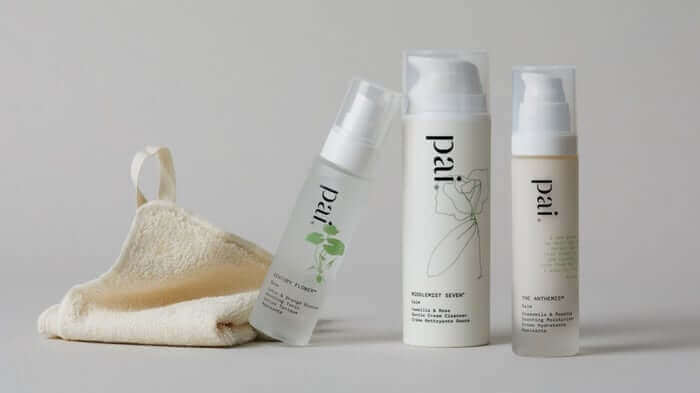
Our The Anthemis soothes irritation while locking in moisture. Add a few drops of Rosehip BioRegenerate for extra omega fatty acids that help repair the skin barrier. The Instant Kalmer delivers ceramides, the lipids that literally hold your skin cells together.
For cleansing, choose something that won't strip natural oils. Pat dry, never rub.
Check your laundry routine
Detergent residue on clothes and bedding is a major trigger. The "fresh scent" you love could be causing the itch.
Switch to eco laundry balls or non-bio detergent. Use a third of the recommended amount. Run a longer rinse cycle. Don't overload the machine. For household cleaning, wear gloves to avoid direct contact with harsh products.
Cool water only
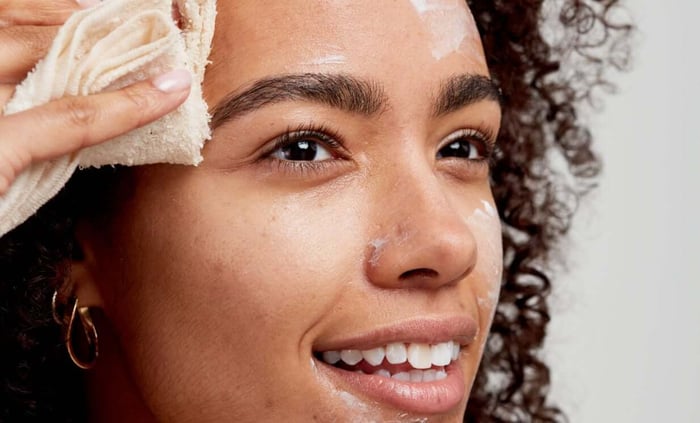
Hot water feels soothing for about 30 seconds. Then it strips your already depleted natural oils and leaves skin even itchier. Cool water preserves your skin barrier, reduces inflammation, and boosts circulation for less redness. Yes, it takes getting used to. Yes, it's worth it.
Know when to see a dermatologist
If you've tried everything and your eczema is still out of control, get professional help. Ask your GP for a dermatologist referral. They can confirm diagnosis through patch testing, check for secondary infections, and prescribe treatments we can't offer over the counter.
Facial eczema can be stressful and painful, but it's manageable. The National Eczema Society offers excellent resources, and our free skin consultation service can help you build a routine that supports your skin (with no pressure to buy).
Frequently Asked Questions
What causes eczema flare-ups on the face?
There's no single cause, but eczema is often hereditary and can be triggered by a wide range of factors. Common culprits include stress, lack of sleep, extreme temperatures, allergens, irritating fabrics like wool, and harsh skincare ingredients such as the preservative Methylisothiazolinone (MI).
How can I tell the difference between facial eczema and dry skin?
The key difference is that eczema won't disappear on its own the way a patch of dry skin might. Symptoms include persistent itching, cracked or scaly patches, and skin that may appear red on lighter tones or darker brown, purple or grey on deeper skin tones. If you're also noticing oozing, crusting, or thickened skin, especially in creases, those are strong indicators of eczema rather than simple dryness.
What skincare ingredients should I look for if I have facial eczema?
Look for fragrance-free formulas containing Chamomile and Rosehip to calm itching and redness, plus Omega-rich oils to soften sore patches. Ceramides are especially worth seeking out as they reinforce your skin barrier, which is the structure that's compromised in eczema-prone skin, helping to lock in moisture and build resilience against irritation.
What are the three types of facial eczema?
Atopic dermatitis is the most common form and is often linked to asthma or hayfever. Contact dermatitis occurs after exposure to an external irritant or allergen, such as nickel or a reactive skincare ingredient. Seborrheic dermatitis, better known as dandruff, creates white or yellowish flaky skin and tends to appear around the eyebrows, nose and behind the ears.
Does hot water make facial eczema worse?
Yes. Hot water strips away your skin's natural oils, which are already depleted in eczema-prone skin, leaving it even itchier and more irritated. Cleansing with cool water is gentler on a compromised skin barrier, can help reduce the itch, and boosts circulation for less redness.