Having had hives, I've woken up in the middle of the night ready to tear my skin off. If you've experienced eczema, psoriasis or urticaria, you'll know exactly what I mean. That burning, overwhelming urge to scratch is one of the most maddening sensations your skin can throw at you.
While scratching feels like sweet relief in the moment, it's actually making everything worse. Prolonged scratching breaks down your skin barrier, intensifying inflammation and leaving you vulnerable to infection. When eczema becomes infected, patches turn angrier, redder, and even more desperately itchy. It's a vicious cycle.
There are proven ways to calm aggravated skin and break the scratch cycle.
Why does skin itch in the first place?
Itching happens when your skin's nerve endings fire off signals to your brain. With conditions like eczema, your skin barrier is already compromised, making those nerve endings hypersensitive. Add inflammation to the mix, and you've got a perfect storm of irritation.
Scientists now understand that scratching triggers the release of inflammatory compounds, which create more itching. Your brain literally gets addicted to the scratch-itch cycle. Breaking it requires both soothing the immediate sensation and healing the underlying barrier damage.
Choose your fabrics wisely
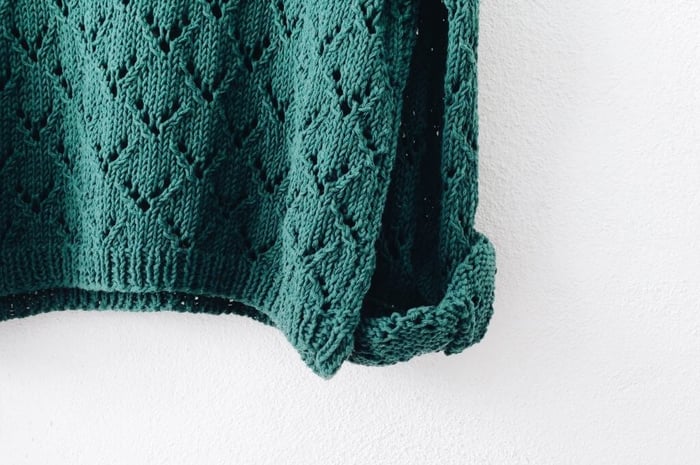
Some fabrics make me itch just looking at them. Polyester, nylon, and viscose are the worst offenders. These synthetic materials trap heat and moisture against your skin, creating the perfect environment for irritation.
Stick with natural fibres. Cotton breathes. Silk feels cool against inflamed skin. Linen gets softer with every wash. When your skin is particularly angry, keep clothes loose-fitting too. Tight waistbands and cuffs create friction, and friction means more itching.
Cool it down
Heat makes itching worse. Always. An ice pack, cool smooth stone, or cold flannel can instantly take the fire out of an itch. Hold it against the area for 60 seconds while breathing deeply. The cold interrupts those nerve signals and gives your brain something else to focus on.
This works brilliantly for those middle-of-the-night episodes when you wake up desperate to scratch. Keep a smooth river stone in the freezer. It's more satisfying than an ice pack and the weight feels grounding.

Rethink your bathing routine
We all love a hot soak, but irritated skin hates it. Hot water strips your skin's natural oils and dilates blood vessels, making inflammation worse. Keep showers lukewarm. You'll notice the difference immediately.
While we're talking baths, avoid bubble bath and heavily fragranced products. Even "sensitive" formulas often contain SLS (sodium lauryl sulfate), which disrupts your skin barrier. A handful of colloidal oats in the bath works better than any foam bath for soothing angry skin.
Stop overnight scratching
Lots of us scratch in our sleep without realising it. Waking up to fresh damage is devastating when you've worked so hard to let your skin heal. If this sounds familiar, thin cotton gloves are your new best friend. They create just enough barrier to stop unconscious scratching.
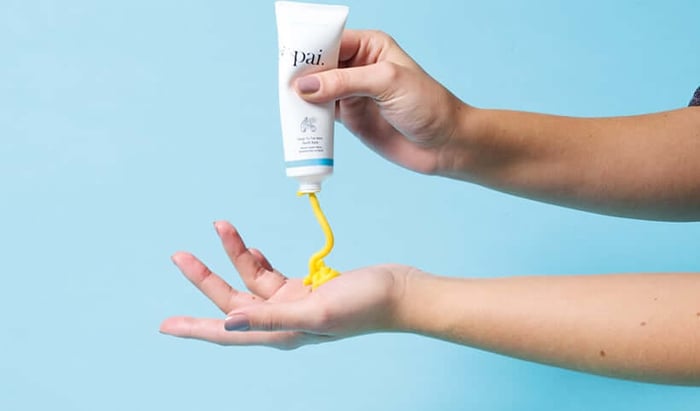
Apply a rich hand treatment before putting the gloves on. Your hands will thank you in the morning, and the ritual of "gloving up" becomes a signal to your brain that scratching time is over.
Keep skin barrier strong
Your skin barrier is weaker when it's dry or dehydrated. That's when irritants sneak through and nerve endings get twitchy. Consistent moisturising isn't just about comfort. It's about rebuilding that protective barrier.
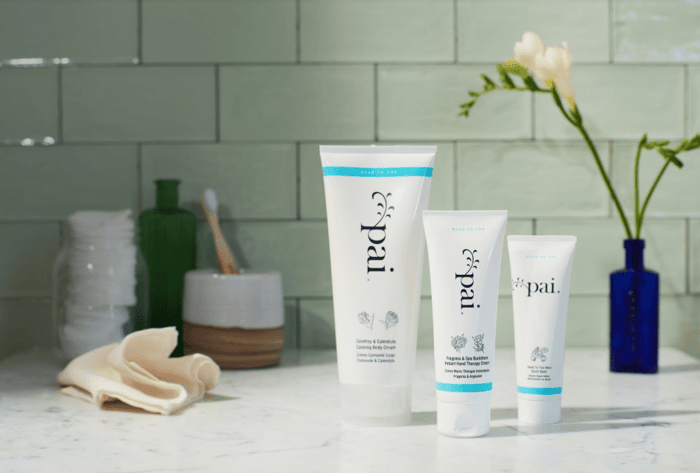
Our Soothing Body Cream was specifically formulated for skin prone to eczema. Comfrey contains allantoin, which speeds up skin cell regeneration. Calendula brings anti-inflammatory compounds called triterpenoids. Together with shea butter and coconut oil, they create a protective film that locks moisture in while actively calming irritation.
For facial eczema, you need something lighter but equally protective. The Anthemis uses CO2-extracted German chamomile, which contains higher levels of anti-inflammatory bisabolol than traditional extracts. It's the same calming power in a texture that won't feel heavy on delicate facial skin.
Optimise your environment
Hot, stuffy rooms make sensitive skin feel clammy and itchy. I keep windows cracked open year-round. Well-ventilated air keeps you cooler and reduces that suffocating feeling that makes you want to claw at your skin.
Consider a humidifier too, especially in winter when central heating sucks moisture from the air. Dry air means dry skin, and dry skin means more itching. Aim for 40-60% humidity. Your skin (and sinuses) will notice the difference.
Break the habit loop
Sometimes scratching becomes more habit than necessity. You do it when stressed, tired, or just zoned out watching TV. If that's you, try redirecting the urge. Keep something tactile nearby that you can scratch instead.
Textured fabric samples work brilliantly. So does a strip of velcro stuck to the underside of your desk. You're satisfying the physical urge without damaging your skin. It sounds simple because it is. Sometimes the simple solutions are the best ones.
When to seek help
If your itching is severe, spreading, or accompanied by other symptoms, see a dermatologist. They may recommend prescription treatments or patch testing to identify triggers. There's no shame in needing professional help. Chronic itch affects your quality of life as much as chronic pain.
The bottom line
Living with itchy skin conditions requires strategy, not just willpower. Cool temperatures, breathable fabrics, consistent moisturising, and breaking the habit loop all play a part. Most importantly, be kind to yourself. Skin healing takes time, and setbacks happen. Every day you resist scratching is a win.
Have you found your own itch-busting techniques? I'd love to hear what works for you. Sometimes the most unexpected solutions come from fellow sufferers who've been there too.