
Lanolin: the childhood staple that made me question everything
Growing up, lanolin was always in our bathroom cabinet. My Mum, a kiwi, swore by it. When she was a child, it was in every New Zealand household, like Vegemite but greasier.
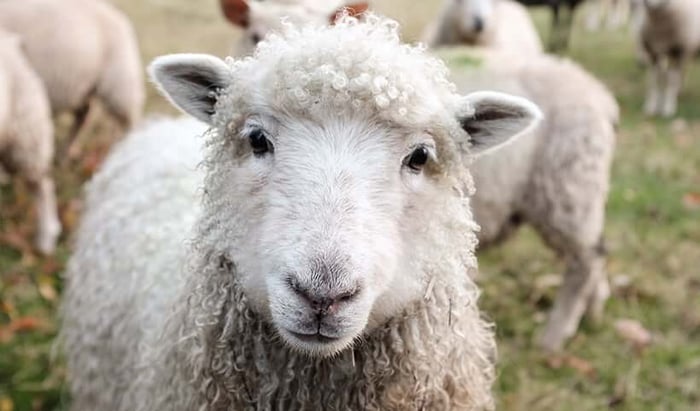
Also known as 'wool wax', lanolin is produced by sheep to keep their woolly coats waterproof. I was never a fan. It was so greasy and had a distinct farmyard smell about it. It's the smell of a wet sheep having an existential crisis.
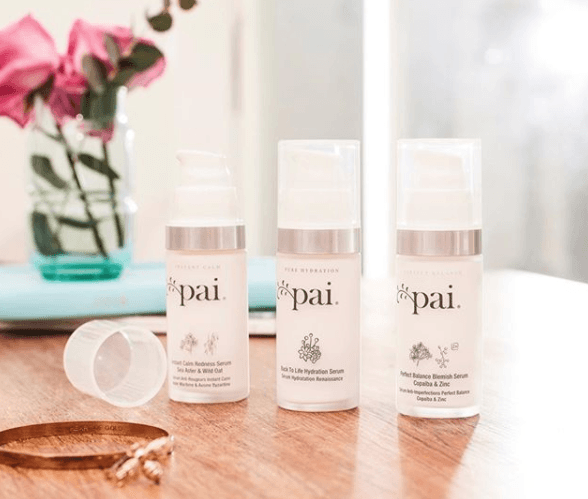
When we were formulating our multipurpose Head To Toe Hero Buriti Balm, I was keen to leave lanolin out. Partly because we're committed to keeping our products vegan, but mostly because there are better choices for sensitive skin.
The American Contact Dermatitis Society's 'Allergen of the Year' 2023
Lanolin can cause sensitivity and allergic contact dermatitis, even in those with otherwise unreactive skin. Nobody is entirely sure why. The American Contact Dermatitis Society was so concerned about rising reaction rates that they named lanolin their official "Allergen of the Year" for 2023.
One theory suggests lanolin is similar to our own skin in terms of chemical composition, so it can penetrate deeper, increasing the risk of sensitivity. This deep penetration means potential allergens reach immune cells more easily.
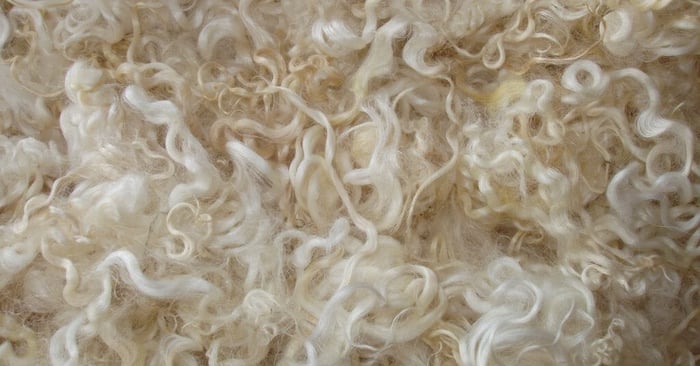
Another theory blames sheep dips. These are seriously strong fungicides used to rid animals of parasites. They leave residues in the extracted lanolin. So you're not just getting wool wax. You're getting wool wax with a side of industrial chemistry.
The truth is, lanolin is a complex material made up of thousands of molecules. There are so many variables in its production that pinpointing a single trigger is nearly impossible. Everything from the breed of sheep and its habitat to the way lanolin is refined can affect a finished product and its potential to irritate. It's a lottery. And your skin might be the loser.
Our sensitive skin-friendly alternative
We use berry wax in our Head To Toe Hero Buriti Balm to replicate lanolin's soft balmy texture and protective properties. Berry wax delivers the same protective barrier and soft texture as lanolin, without the farmyard smell or sensitivity risk.
If you're dealing with skin sensitivity or just want to understand what's really in your products, our guide to hidden irritants breaks down the most common culprits.
The wardrobe warning
Remember: lanolin doesn't only come in tubs and tubes. You might find traces in your wardrobe too.
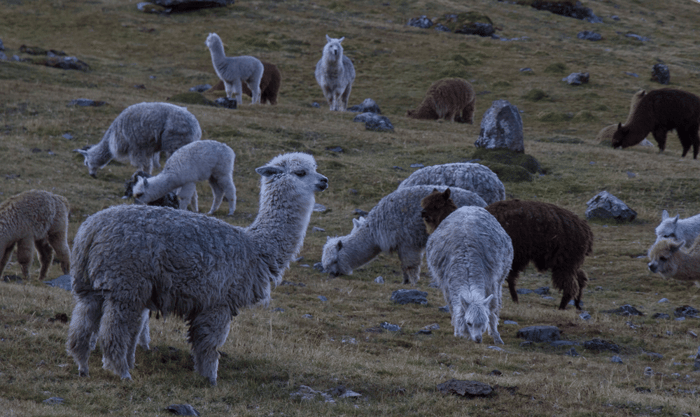
If woolly fibres are leaving you itchy, try alpaca wool instead. Alpaca wool is naturally lanolin-free. It's also softer and less scratchy than sheep's wool. Scientists have confirmed what alpaca farmers have known all along: alpaca fibres contain no lanolin whatsoever. That's why so many people who react to regular wool can wear alpaca comfortably.
For more tips on managing sensitive skin through the seasons, check out our guide to unexpected skin triggers.