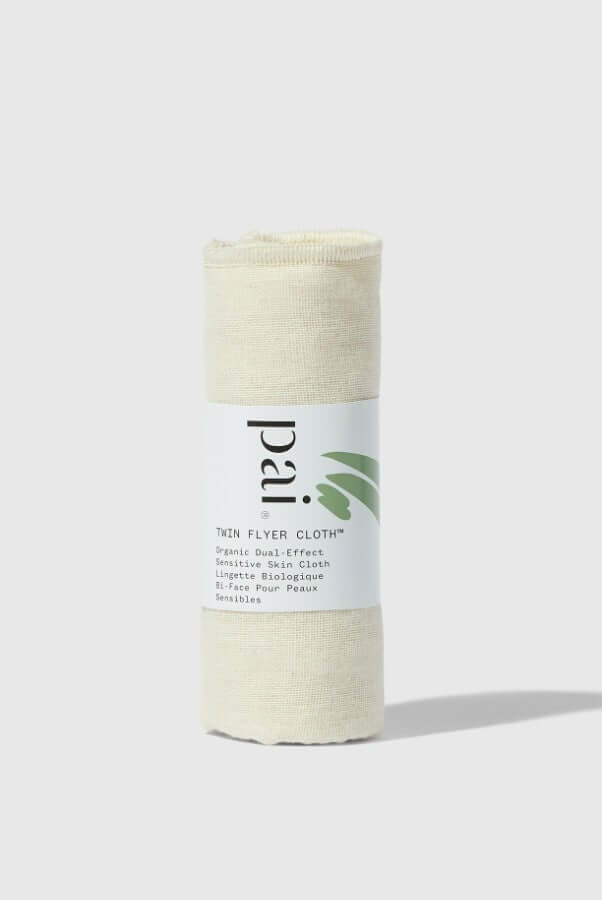
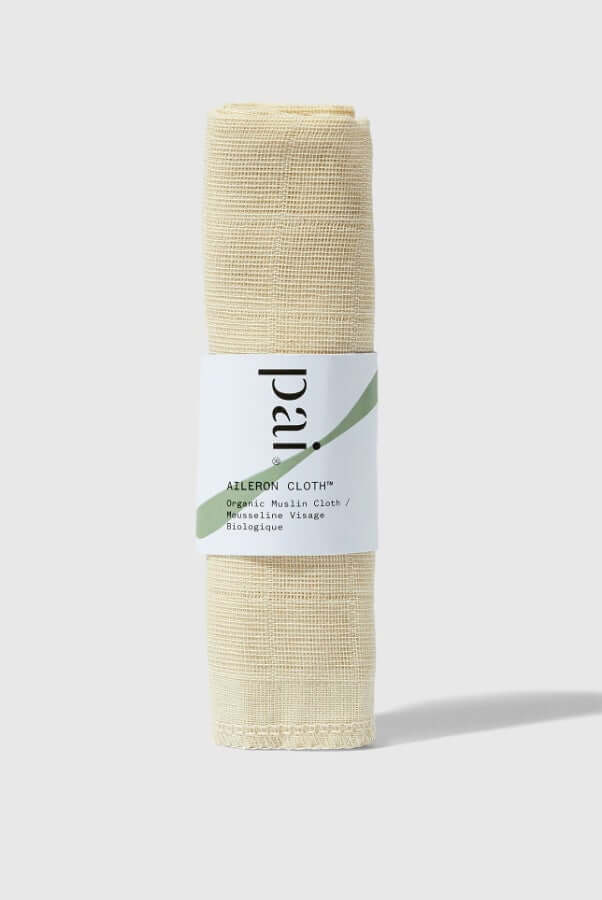
Here's a confession: we go through about 50 muslin cloths a month in the Pai lab. Not because we're wasteful, but because once you understand what makes these simple squares of cotton so effective, you start using them for everything.
The magic is in the weave. Unlike terry cloth flannels that hold water like a sponge (creating a perfect bacterial breeding ground), muslin's open structure allows it to dry quickly between uses. The texture is just rough enough to lift away dead skin cells without irritating, which is why dermatologists have been recommending them for sensitive skin since the 1700s.
But here's what most people miss: muslin cloths aren't just for removing cleanser. After years of watching our team find increasingly creative uses for them, we've compiled our favourites. Some are skincare gold. Others involve straining almonds. All of them give these humble cotton squares a second (or third, or tenth) life.
The face fundamentals
Your daily double cleanse upgrade
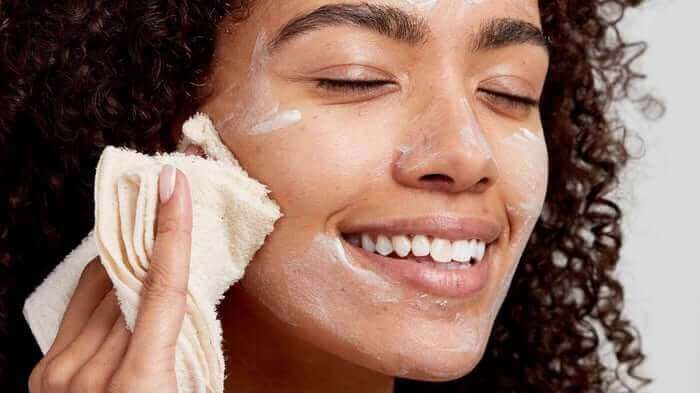
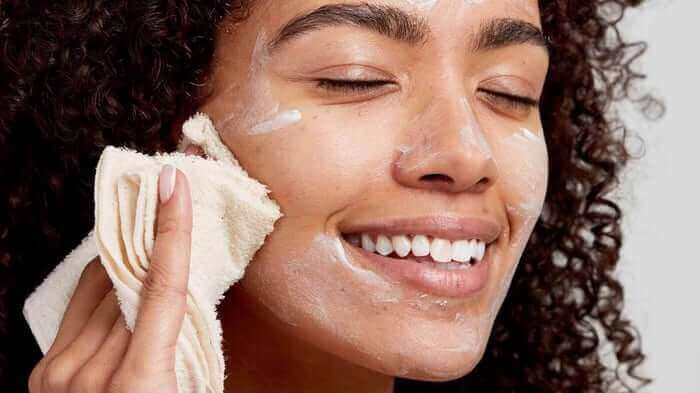
The classic use, perfected. After massaging your cleanser for 30 seconds (yes, time it once and you'll realise how short your usual cleanse is), run your muslin cloth under warm water. Wring it out until it's just damp, then use gentle circular motions to remove the cleanser.
The cloth does two jobs here. First, it ensures complete removal of makeup, SPF, and daily grime that fingers alone miss. Second, it provides mechanical exfoliation that's infinitely gentler than scrubs. Blackhead-prone? Focus on the nose and chin. Dry patches? The cloth helps lift flaky skin without the irritation of acids.
The two-minute facial
Professional facialists know this trick: soak your cloth in warm (not hot) water, wring it out, and lay it over your face for two minutes. The gentle heat opens pores and increases blood flow to the skin surface.
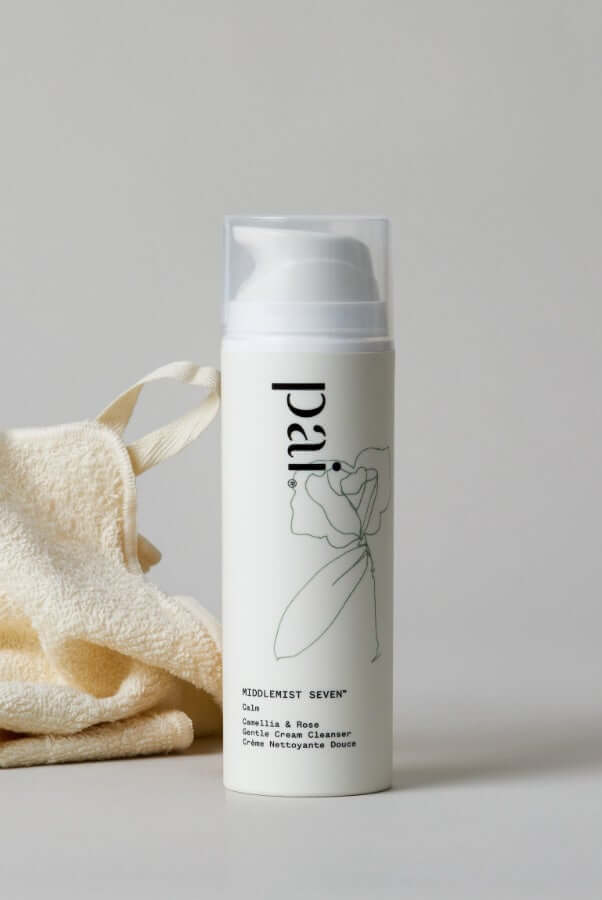
Do this over a face mask and the warmth helps active ingredients penetrate deeper. Do it on bare skin after cleansing with Middlemist Seven and you've got an instant decongestant for puffy mornings. The key is the temperature: too hot and you'll irritate capillaries. Think bath temperature, not shower temperature.
Lip prep that actually works
Chapped lips under lipstick look worse than no lipstick at all. Before you reach for the scrub, try this: dampen a corner of your muslin cloth with warm water and buff lips in tiny circles for 10 seconds. The weave is gentle enough not to tear delicate lip skin but effective enough to remove flakes.
Follow immediately with Head-to-Toe Hero Buriti Balm. The combination of gentle exfoliation and immediate moisture seal means lipstick glides on smoothly instead of catching on dry patches.
Beyond the bathroom sink
The eczema game-changer
This tip came from a customer whose dermatologist recommended muslin cloths for body eczema. The reasoning is sound: body brushes and loofahs are too harsh for compromised skin barriers, while hands alone don't remove the build-up of dead cells that makes eczema patches feel rough.
Use your cloth like an oversized cleansing mitt in the shower, working in circles over affected areas. The gentle friction helps your body moisturiser penetrate better afterwards. Same principle works for keratosis pilaris (those bumpy patches on upper arms): regular, gentle exfoliation with a muslin cloth keeps pores clear without triggering inflammation.
Ingrown hair prevention
Here's why muslin cloths work where other exfoliants fail: they're flexible enough to follow body contours but textured enough to lift trapped hairs. After shaving or waxing, wait 24 hours (important: let the follicle calm down first), then use a damp muslin cloth in circular motions over prone areas.
Do this every other day and you'll notice fewer bumps. The cloth gently lifts the dead skin that traps emerging hairs without the harsh friction that causes more irritation. Bonus: it preps skin perfectly for moisturiser absorption.
The baby chapter
Emergency everything
New parent secret: those fancy muslins you bought for swaddling? They're about to become your Swiss Army knife. Instant bib for unexpected feeds. Gentle wipe for milk spills. Breathable shade for the pram. The open weave that makes them perfect for skin also makes them perfect for baby care.
The organic cotton in our muslins means they're safe against baby skin, and the quick-dry factor means you can rinse, wring, and reuse throughout the day. Keep one in every bag. You'll use it more than the actual nappies.
The swaddle science
Muslin's breathability isn't just marketing speak. The open weave allows air circulation while maintaining warmth, which is why muslins have been the swaddling material of choice for centuries. Unlike fleece or thick cotton, muslin helps regulate temperature naturally.
Our organic cotton muslins are particularly good for this: no chemical treatments, no synthetic fibres, just pure cotton that gets softer with every wash.
Kitchen and household heroes
DIY nut milk strainer
Old muslin cloths are brilliant for straining homemade almond or oat milk. The weave catches the pulp while letting the liquid through cleanly. Just ensure you've washed out all traces of skincare products first (trust us on this one).
Cut along one seam to create a pocket, position over a jug, and pour your blended mixture through slowly. The result is smoother than using a regular sieve and you can compost the caught pulp.
Pre-wash stain treatment
Sarah discovered this one during her son's weaning phase: muslin cloths are exactly the right texture for working out stains before they hit the washing machine. The weave grabs onto the stain particles while being gentle enough not to damage fabric.
Dampen the cloth, work it over the stain in circles, then wash as normal. Works on everything from banana to turmeric. No pre-treatment spray needed.
Delicate shoe buffer
Suede, nubuck, and other delicate shoe materials need gentle treatment. A dry muslin cloth buffs out marks without damaging the nap. The texture is just right: rough enough to lift dirt, soft enough not to scratch.
Works particularly well on those annoying salt marks from winter pavements. Dampen the cloth slightly, work out the marks, then use a dry section to restore the texture.
The muslin maintenance guide
Here's what nobody tells you about muslin care: hot washes are the enemy. The fibres shrink and the weave tightens, losing that perfect gentle-but-effective texture. Wash at 30 or 40 degrees max.
Replace your facial muslins every three months if you're using them daily. The fibres gradually break down with washing, becoming less effective at exfoliation. Body muslins can last longer since they're not used as frequently. Kitchen muslins are basically immortal.
Pro tip: assign colours to uses. White for face, natural for body, older ones for household. Saves the awkwardness of using your shoe-buffing cloth on your face.
The sustainability story
In a world of single-use everything, muslin cloths are refreshingly old-school. One cloth replaces hundreds of cotton pads or face wipes. The organic cotton in ours biodegrades completely when they finally wear out. Even the packaging is minimal.
But the real environmental win? They make your products work harder. Better cleansing means better absorption of serums and moisturisers. You use less product for better results. Your skin wins. Your wallet wins. The planet wins.
That's the thing about simple solutions. Sometimes a square of woven cotton really is all you need.
Frequently Asked Questions
Why are muslin cloths better than flannels or face wipes for cleansing?
Muslin cloths have an open weave that dries quickly and resists bacterial growth, unlike regular flannels which hold water and can become a breeding ground for bacteria. They're also reusable, made from 100% unbleached organic cotton, and far more environmentally friendly than disposable cotton wool or face wipes.
How do you use a muslin cloth to exfoliate your face?
Apply your cleanser, then remove it using gentle circular movements with a damp muslin cloth. This lifts away dead skin cells and impurities, helping to brighten dull or dry skin and prevent blackheads in oilier or combination complexions.
Can muslin cloths help with eczema or keratosis pilaris on the body?
Yes. Many body brushes are too rough for eczema or keratosis pilaris, but a muslin cloth provides gentle enough exfoliation to smooth patches of rough skin without causing redness. Using circular movements in the bath or shower also improves absorption of your body cream or oil afterwards.
How can a muslin cloth help with ingrown hairs?
Regularly exfoliating ingrown hair-prone areas with a muslin cloth helps prevent them from forming in the first place. Gently buffing existing bumps encourages trapped hairs to come to the surface, which is far more pleasant than reaching for the tweezers.
What can you do with old muslin cloths that have lost their exfoliating texture?
Old muslin cloths still have plenty of life in them. Their weave is ideal for dabbing out stains before washing, straining homemade nut milk (just cut off one seam to create a pocket), or buffing delicate shoes made from fabrics like suede that are too soft for a traditional brush.