
We've never retouched a single model image. Not once in 17 years. Not a pore smoothed, not a spot erased, not a wrinkle softened. That's the promise we made when we started Pai, and we're not breaking it now.
The beauty industry has a complicated relationship with reality. Brands talk about celebrating real skin while quietly airbrushing away everything that makes skin real. Birth marks disappear. Texture vanishes. Faces slim down. Skin becomes poreless, ageless, flawless. That last word makes us particularly cross, because flawless skin doesn't exist. It's a computer-generated fantasy that makes everyone else feel like they're failing at being human.
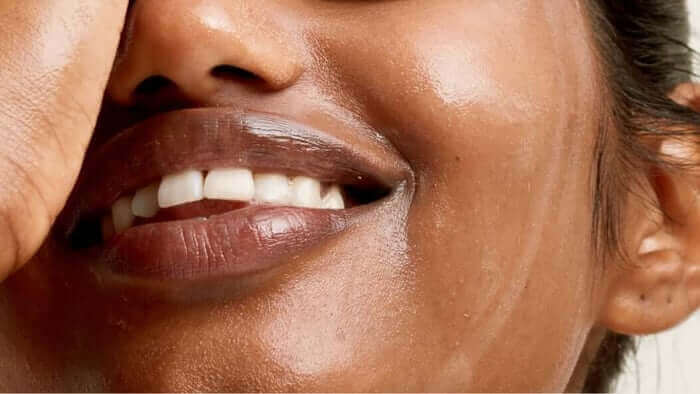
So why don't we retouch? Start with the obvious: we make products for real skin, tested on real skin, shown on real skin. Our models represent the people who use our products. They have texture. They have pores. Some have hyperpigmentation or rosacea or the kind of combination skin that's oily at lunch and dry by dinner. That's exactly how skin should be shown.
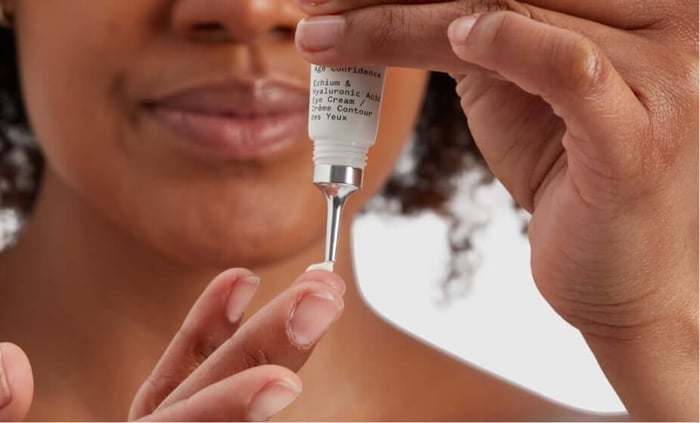
But there's a bigger issue here. Retouched images don't just sell products. They sell impossible standards. They create a world where everyone else's skin looks perfect, so yours must be the problem. It's particularly damaging for people with sensitive skin, who don't need another reason to feel self-conscious.
We all have good skin days and terrible skin days. Hormones surge. Stress shows up as spots. Winter makes everything angry and red. That's normal. But scroll through any beauty brand's Instagram and you'd think everyone else woke up camera-ready. No wonder Cult Beauty found that 80% of girls have already used a retouching app by age 13. That statistic should alarm everyone.
The regulatory landscape is slowly catching up. Norway passed legislation requiring influencers and brands to label retouched images in sponsored posts. The UK considered similar rules with the Digitally Altered Body Images Bill. But honestly? We shouldn't need laws to tell us that lying to customers is wrong.
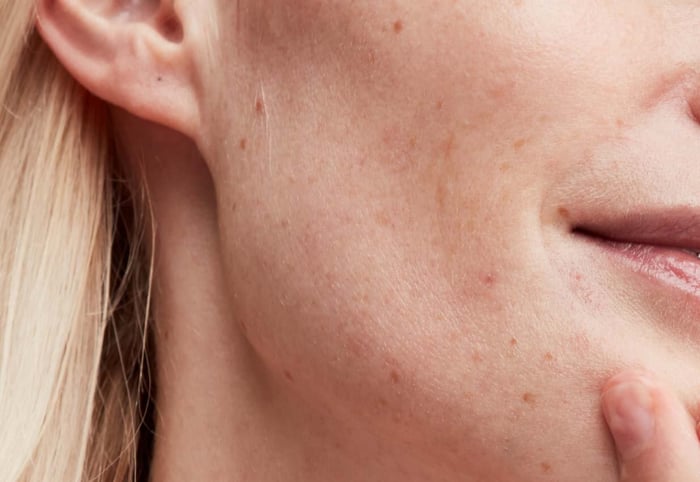
Here's what retouching really does: it makes everyone an outsider. It says your real skin isn't good enough. Your real face needs fixing. Your texture, your pigmentation, your completely normal human features are problems to be solved. For a brand whose entire mission is restoring skin confidence, that's the opposite of everything we stand for.
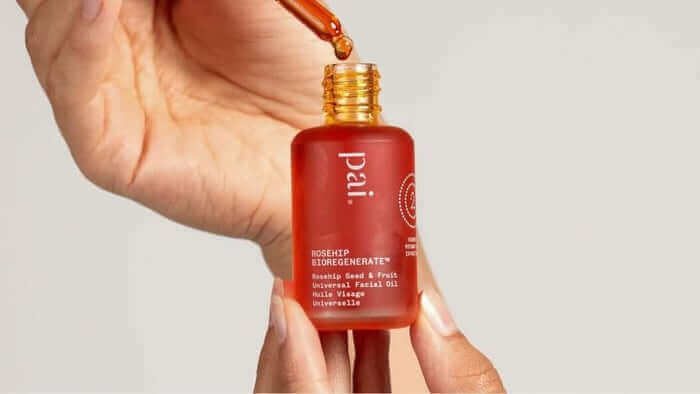
We believe in honest conversations about skin. We believe in showing what our Rosehip BioRegenerate actually does on actual skin, not what Photoshop can do to a JPEG. We believe that confidence comes from skin that feels comfortable, not from chasing an impossible standard that doesn't exist outside a retouching suite.
So when you see our images, you're seeing truth. Every pore, every bit of texture, every sign that this is a real person with real skin. Because that's who we make products for. Not for flawless avatars, but for you, exactly as you are. And if you need help finding products that work for your real skin? We're here for that conversation too.
Frequently Asked Questions
What does Pai's no-retouch policy actually mean?
Pai never edits, smooths, airbrushes or digitally alters its model imagery. That means no erasing wrinkles, scars, spots or birthmarks, no slimming faces, and no evening out skin texture. The people you see in Pai's images have real skin, shown exactly as it is.
Why does showing unretouched skin matter for a sensitive skin brand?
Sensitive skin is unpredictable. It has good days and bad days, reacting to stress, hormones and environmental changes. Retouching that reality away would set impossible standards for the very people Pai exists to help, and undermine the skin confidence the brand is built around.
Are there any laws requiring brands to disclose retouched images?
Norway passed a law in 2021 requiring brands and influencers to label any edited photos in sponsored social media posts using a ministry-approved disclosure. The UK has proposed a similar measure, the Digitally Altered Body Images Bill introduced in 2022, though it is still in progress.
How widespread is photo retouching among young people?
According to a stat shared by Cult Beauty in their open letter against retouching, 80% of girls have used a retouching app or filter to change how they look in photos by the age of 13. It highlights just how normalised digitally altered appearance has become, even for very young people.
How does Pai's approach to imagery reflect its wider brand values?
Pai's mission is to restore skin confidence, which starts with honesty. The no-retouch policy is part of a broader commitment to celebrating real skin, encouraging open dialogue about skin concerns, and making sure nobody feels like an outsider for looking exactly as they are.