
Oil vs Cream: What's the Difference?
Most skincare brands won't tell you this: the oil versus cream debate is a false choice. We make both in our London lab. We formulate both from scratch. After 15 years of watching people get this wrong, we can definitively say: you probably need both.
The confusion starts with marketing. Brands position oils as modern miracle workers and creams as old-fashioned basics. Or they swing the other way, claiming their cream does everything an oil can. Neither story is true. Oils and creams work through completely different mechanisms. Understanding the science makes your routine suddenly make sense.

The fundamental difference: water
An oil contains no water. Zero. It's pure lipids, which means every drop delivers concentrated active ingredients without dilution.
A cream is an emulsion: tiny droplets of oil suspended in water (or sometimes water in oil, but let's keep this simple). Most creams are 60-80% water. That water isn't filler. It's the entire point. Your skin needs water to function, and creams deliver it directly to where it's needed.
Think of it this way: oils are concentrated nutrition for your skin. Creams are hydration with benefits. You can survive on nutrition alone for a while, but you'll get thirsty fast.
What oils actually do
Facial oils work through three mechanisms:
1. They form an occlusive barrier. When you apply oil to damp skin, it creates a microscopic film that slows transepidermal water loss (TEWL). This is what people mean by "locking in moisture." The oil doesn't hydrate. It prevents dehydration. It's a critical difference.
2. They deliver lipid-soluble actives. Many of the most powerful skincare ingredients are oil-soluble: vitamin A derivatives, vitamin E, carotenoids, essential fatty acids. These ingredients can only be delivered effectively in an oil base. In a cream, they're present at much lower concentrations because most of the formula is water.
3. They supplement your skin's lipid barrier. Healthy skin produces its own lipids to maintain barrier function. When that production falters (due to age, damage, or genetics), topical oils can provide the fatty acids your skin needs to repair itself. Our Rosehip Bioregenerate Oil delivers omega-3, -6, and -9 fatty acids that directly support barrier repair.
The key is matching the oil's fatty acid profile to what your skin actually needs. Acne-prone? Carbon Star combines antibacterial black cumin seed oil with charcoal to purify without stripping. Sensitive and reactive? The Light Fantastic uses ceramides to build resilience without fragrance or essential oils. Age spots and dullness? Rosehip Bioregenerate delivers concentrated antioxidants that visibly brighten.
What creams actually do
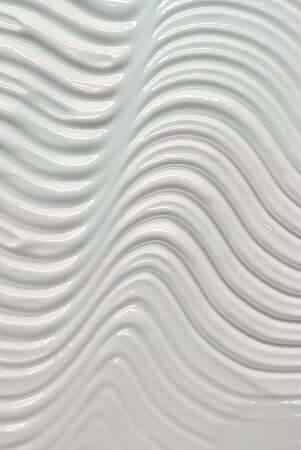
Creams have one primary job: hydration. That 60-80% water content isn't there by accident. It's actively delivered into your skin's upper layers where it plumps cells, enables enzyme function, and maintains the conditions necessary for healthy cell turnover.
But water evaporates quickly. So cream formulations include ingredients to make that hydration stick around:
Humectants like glycerin and hyaluronic acid attract water from the environment and deeper skin layers, creating a reservoir of hydration in the epidermis. Our glycerin guide explains why we use vegetable-derived versions.
Emollients smooth and soften by filling microscopic cracks between skin cells. These are usually lipids, but in much lower concentrations than in a pure oil.
Occlusives form a protective film to slow water evaporation. In natural formulas like ours, these are typically plant waxes or butters.
Beyond hydration, creams can deliver water-soluble actives like niacinamide, peptides, and certain antioxidants that would never dissolve in an oil. Our Anthemis Chamomile Calming Daily Moisturiser combines immediate hydration with anti-inflammatory actives specifically chosen for reactive skin.
The application order question (and why everyone gets it wrong)
"Should I apply oil or cream first?" We get this question constantly. The answer? Always cream first, then oil.
Water-based products need to go on first because oil creates a barrier. Once you've applied oil, water-based ingredients can't penetrate effectively. But oils can penetrate through water-based products thanks to their lipophilic nature.
Think of it as building layers with a purpose. Cream delivers water and water-soluble actives directly to thirsty skin. Oil seals in that hydration while delivering its own concentrated benefits.
The exception: if you're using a facial oil as your only moisturiser (common in very oily skin types), apply it to damp skin. The water on your skin provides the hydration, the oil seals it in.
Why your skin probably needs both
Dehydrated skin lacks water. Dry skin lacks oil. Most people have both issues to some degree, which is why using only oil or only cream rarely gives optimal results.
Even oily skin can be dehydrated. In fact, dehydration often triggers excess oil production as your skin tries to protect itself. Using a lightweight moisturiser to deliver water, followed by a few drops of balancing facial oil, can actually reduce oiliness over time.
Sensitive skin particularly benefits from the oil-and-cream combination. The cream provides gentle hydration without overwhelming the skin, while the right facial oil strengthens the barrier to reduce reactivity over time.
The key is choosing the right products for your skin and using them correctly. No single product does everything, despite what marketing might claim. But the right combination, applied in the right order, can transform your skin.
Need help building your routine? Book a free consultation with our skincare coaches who can recommend the perfect oil and cream combination for your skin.
Frequently Asked Questions
What is the main difference between a face oil and a face cream?
Oils contain only oil with no water, while creams are a mixture of fat emulsions and water. Active ingredients are present at a much higher concentration in oils because they're not diluted, which means they can have a more tangible, visible effect on the skin.
Should you apply face oil or cream first?
Always apply your cream or moisturiser first, then follow with your facial oil. Oils can penetrate through moisturisers, but creams cannot penetrate through oil. So even with cream underneath, the actives in your oil will still reach your skin while locking in all that hydration.
Can a facial oil alone hydrate your skin?
No. Despite what some brands claim, oils alone cannot deliver hydration to your skin. What oils do brilliantly is lock existing moisture in, helping skin hold onto hydration for longer. You need a cream (which is 60-80% water) to actually drive that moisture into the skin first.
Which face oil is best for acne-prone skin?
Carbon Star is designed specifically for congested, blemish-prone skin. It purifies congested pores, removes excess oil with vegetable charcoal, and helps tackle blemish scars while preventing future breakouts. It's also clinically tested non-comedogenic, so it won't block your pores.
What makes Rosehip Bioregenerate Oil good for improving skin tone and elasticity?
Rosehip Bioregenerate is a fatty, omega-rich oil that deeply conditions and nourishes skin. It uses CO2 supercritical extraction to preserve up to 700% more polyphenols and 65% more regenerative sterols than competitor rosehip oils, delivering concentrated actives that support collagen synthesis and help improve skin tone and elasticity.