
Patch testing is the gold standard for proving sensitive skin safety. Not the marketing kind where you test on your inner arm and hope for the best. Real patch testing. The kind where dermatologists monitor your skin's response over 96 hours, document every reaction, and determine whether a product genuinely earns the right to be called "suitable for sensitive skin."
I founded Pai because I have sensitive skin. Not the occasional-redness kind. The kind where the wrong product triggers weeks of recovery. So when I set out to create a skincare range that actually works for reactive skin, independent clinical testing wasn't optional. It was the entire point.
Our patch testing process is more rigorous than most people realise.
The Clinical Reality of Patch Testing
Real patch testing bears no resemblance to the DIY version you might try at home. Clinical patch testing follows standardised dermatological protocols designed to reveal how skin truly responds to a product over time.
Our testing happens at independent dermatology clinics. Not our lab. Not a facility we control. Independent clinics with dermatologists and specialist nurses who have zero stake in whether our products pass or fail.
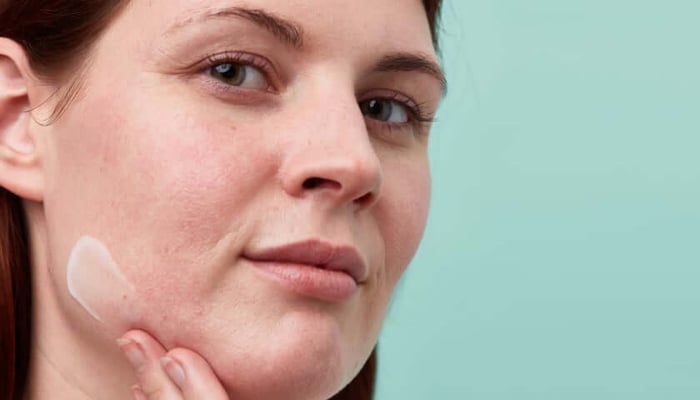
The protocol is strict: patches containing the product are applied to participants' skin and monitored daily for 96 hours. That's four full days of observation, because some reactions take time to develop. Each test includes a control patch to ensure any reaction is genuinely from the product, not from the testing process itself.
Two Distinct Testing Populations
We test on two specific skin types: clinically diagnosed sensitive skin and eczema-prone skin. These aren't self-reported sensitivities. These are people whose skin conditions have been medically confirmed.
Why both? Because sensitive skin and eczema-prone skin react differently. Sensitive skin might flush or sting from fragrance or alcohol. Eczema-prone skin has a fundamentally compromised barrier that makes it reactive to entirely different triggers. A product that's fine for one might still cause problems for the other.
Testing on both populations means we're not making assumptions. We're proving safety for the full spectrum of reactive skin.
What "Suitable" Actually Means
No product is 100% non-reactive for 100% of people. That's biologically impossible. What "suitable for sensitive skin" actually means is that the product doesn't cause reactions in the statistical majority of test participants.
The threshold is high. If even a small percentage of participants show consistent reactions, the product doesn't pass. It's not about being "mostly okay" or "better than average." It's about meeting clinical standards for safety on genuinely reactive skin.
Special Protocols for Pregnancy and Babies
Our pregnancy and baby products go through additional testing protocols. The Gemini stretch mark system isn't just patch tested on sensitive skin. It's specifically tested with pregnant participants under the supervision of qualified midwives.
The midwife review adds another layer of safety assessment beyond the dermatological data. They evaluate not just skin reactions but overall suitability for use during pregnancy, considering everything from ingredient safety profiles to absorption rates.
The same enhanced protocol applies to products intended for babies and children. Standard patch testing plus specialist review. Because "gentle enough for babies" should be proven, not just claimed.
Why Independent Testing Matters
We could run patch tests in our own lab. It would be cheaper, faster, and we'd have complete control. We don't do it that way for one simple reason: credibility.
Independent testing means the results can't be influenced. The dermatologists conducting the tests don't work for us. They have no incentive to pass a product that shouldn't pass. Their only job is to document what actually happens to skin.
This independence is expensive. Each round of testing represents a significant investment. For a small brand, it's a genuine financial commitment. But it's also the difference between claiming safety and proving it.
Beyond the Marketing Claims
The skincare industry is full of unregulated terms. "Hypoallergenic" has no standardised meaning. "Dermatologist tested" could mean one dermatologist looked at the formula sheet. "For sensitive skin" might just mean they left out the obvious irritants.
Proper patch testing cuts through the marketing noise. It's binary. Either the product passes clinical protocols on sensitive and eczema-prone skin, or it doesn't. Either it's been monitored by independent dermatologists for 96 hours, or it hasn't.
What This Means for Your Skin
When you see "patch tested" on our products, it means something specific. It means independent dermatologists have applied that exact formula to people with medically confirmed sensitive skin and eczema-prone skin. It means they've monitored reactions for four full days. It means the majority experienced no adverse reactions.
It doesn't mean the product is guaranteed to work for everyone. Individual skin is complex, and what works for 95% might still react with the other 5%. But it does mean we've done everything possible to prove safety before that product reaches your bathroom shelf.
For someone with sensitive skin, that proof matters. It's the difference between hoping a product won't cause a reaction and having clinical evidence that it probably won't. For me, both as a founder and as someone who lives with sensitive skin, that distinction is everything.
The Ongoing Commitment
Patch testing isn't a one-and-done checkbox. Every time we reformulate, we test again. When we source ingredients from new suppliers, we test. When we develop entirely new products, we start the testing process from scratch.
It slows down our development process. It adds cost to every product. But it also means that when we say something is suitable for sensitive skin, we have the clinical data to prove it. Not marketing claims. Not assumptions. Actual evidence from actual testing on actual sensitive skin.
That's the standard I wanted when I was searching for products that wouldn't trigger my skin. It's the standard our customers deserve. And it's the standard that every Pai product has to meet before we'll put our name on it.
Frequently Asked Questions
What does Pai's patch testing process actually involve?
Every Pai product is tested at independent dermatology clinics, not Pai's own lab, where dermatologists and specialist nurses apply patches to participants' skin and monitor reactions over 96 hours. Each test includes a control patch to confirm any response is genuinely from the product. The dermatologists conducting the tests have no affiliation with Pai and no incentive to pass a product that shouldn't pass.
Why does Pai test on both sensitive skin and eczema-prone skin?
Sensitive skin and eczema-prone skin react to different triggers. Sensitive skin might flush or sting from fragrance or alcohol, while eczema-prone skin has a fundamentally compromised barrier that makes it reactive to entirely different compounds. Testing on both clinically diagnosed populations, not self-reported sensitivities, means Pai is proving safety across the full spectrum of reactive skin rather than making assumptions.
Are Pai's pregnancy and baby products tested differently from the rest of the range?
Yes. Products like The Gemini stretch mark system undergo standard patch testing plus additional protocols, including testing with pregnant participants under the supervision of qualified midwives. The midwife review assesses overall suitability for pregnancy use, covering ingredient safety profiles and absorption rates beyond what dermatological patch testing alone captures.
What do terms like 'hypoallergenic' and 'dermatologist tested' actually mean on skincare labels?
Very little, in many cases. "Hypoallergenic" has no standardised legal meaning, and "dermatologist tested" could mean a single dermatologist reviewed the formula sheet without any clinical testing on real skin. Pai's approach is different: independent 96-hour clinical monitoring on people with medically confirmed skin conditions, where the product either passes or it doesn't.
Does Pai retest products after reformulation or ingredient sourcing changes?
Every time. If Pai reformulates a product, sources an ingredient from a new supplier, or develops something entirely new, the full patch testing process starts again from scratch. It slows development and adds cost, but it ensures the clinical safety data always matches the exact formula inside the bottle you buy.