The pregnancy test shows two lines, and suddenly you're examining every label like a forensic scientist. The soft cheese goes. The retinol gets binned. But while you're busy memorising which fish contain mercury, it's easy to forget that your skin absorbs what you put on it too.
What actually matters when choosing skincare during pregnancy, backed by evidence rather than internet panic.
Alcohol in skincare: know the difference
Not all alcohols strip your skin. The ones to avoid are the ethyl alcohols (denatured alcohol, alcohol denat, ethanol) which trigger the spider veins and rosacea that pregnancy hormones already make more likely.
Fatty alcohols like cetyl and stearyl alcohol? Completely different chemistry. They're emollients that actually protect your skin barrier. Read the INCI list, not the scaremongering.
Hair dye: the actual evidence
There's no concrete evidence linking hair dye to pregnancy complications, but permanent dyes do contain ammonia and hydrogen peroxide that penetrate the scalp. The cautious approach: opt for highlights that don't touch the scalp, or switch to semi-permanent colour until after birth.
Your roots can wait three months. Your peace of mind can't.
Essential oils: concentration matters
Essential oils aren't automatically dangerous during pregnancy. Concentration is everything.
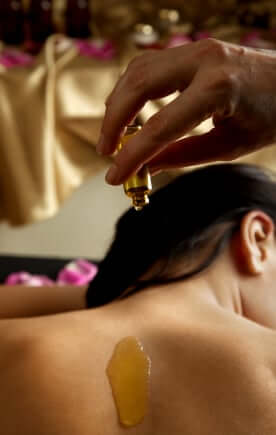
A face cream with 0.5% lavender? Fine. That prenatal massage with neat essential oil blend? Different story. Massage oils typically contain five times the concentration of essential oils compared to leave-on skincare.
Some oils are emmenagogues, meaning they stimulate uterine contractions. These include:
• Cedarwood
• Marjoram
• Sage
• Thyme
• Rosemary
• Clary sage
• Vetiver
The safest approach: avoid all essential oils during the first trimester, then continue avoiding emmenagogues throughout pregnancy. For massage, ask for unscented vegetable oil instead of the spa's signature blend.
Pregnancy-safe alternatives that actually work
Instead of playing ingredient detective with every product, these ingredients actually work during pregnancy:
For sensitivity and redness: Look for fragrance-free formulas with calming ingredients like chamomile and sea buckthorn. Our Anthemis Chamomile & Rosehip Soothing Cream Cleanser removes makeup without triggering the redness that pregnancy hormones love to amplify.
For hydration without heaviness: Pregnancy skin often can't decide if it's oily or dry. Lightweight omega-rich oils like Rosehip Bioregenerate deliver essential fatty acids without clogging pores or feeling greasy.
For that pregnancy glow (the good kind): Vitamin C remains safe throughout pregnancy. Our C-2 Believe brightens without the irritation of high-concentration ascorbic acid formulas.
The bottom line on pregnancy skincare
Pregnancy brings enough worry without adding skincare panic to the mix. Check ingredient lists, yes, but don't let perfect become the enemy of good. A simple, considered routine beats elaborate regimens any day.
Most importantly: if something makes your newly sensitive skin unhappy, stop using it. Pregnancy hormones change how your skin behaves. What worked before might not work now, and that's completely normal.
Trust your skin. It usually knows what it needs.