
Natural compounds that can calm histamine reactions hold particular promise for anyone dealing with urticaria, hives, or chronic skin sensitivity. One of the most researched is quercetin, a plant-derived flavonoid that works differently from conventional antihistamines.
The science behind quercetin
Quercetin is a flavonol, a specific type of flavonoid that gives fruits and vegetables their vibrant pigmentation. Since research in the 1930s first identified flavonoids' antioxidant properties, quercetin has emerged as one of the most potent anti-inflammatory compounds in the plant kingdom.
Quercetin's real advantage for sensitive skin lies in how it modulates the body's histamine response. Rather than simply blocking histamine after it's released (like conventional antihistamines), quercetin actually reduces histamine production at the cellular level.
The science of histamine control
When your body encounters an allergen, mast cells release histamine as part of the immune response. In urticaria, this histamine release creates those characteristic raised, itchy welts. Most over-the-counter antihistamines work by blocking histamine receptors after histamine is already circulating. This approach manages symptoms after the fact rather than preventing the cascade at source.
Quercetin takes a different approach. Research shows it stabilises mast cells, reducing both histamine manufacture and release. Studies have demonstrated quercetin's ability to inhibit inflammatory enzymes including lipoxygenase and eosinophil peroxidase, while also suppressing inflammatory cytokines like interleukin-4 and interleukin-13.
A 2016 study published in Molecules found quercetin reduced histamine release from mast cells by up to 95% in laboratory conditions. While human studies show more modest results, the mechanism is compelling for those seeking natural alternatives to conventional antihistamines.
Food sources vs supplementation
The richest dietary sources of quercetin include:
Red onions contain the highest concentrations, particularly in the outer rings. One medium red onion provides approximately 40mg of quercetin.
Capers are surprisingly quercetin-dense, with 180mg per 100g (though you'd rarely eat that much).
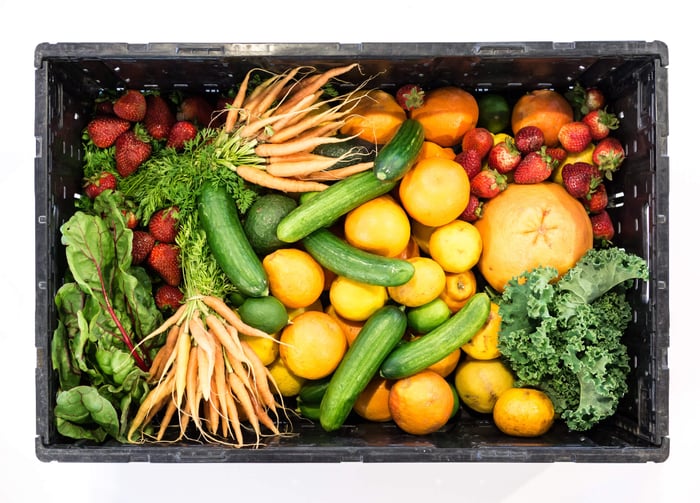
Other good sources: black and green tea, tomatoes, broccoli, apples, citrus fruits, leafy greens like kale and spinach, and berries, particularly elderberries and cranberries.
Here's the problem with getting quercetin from food: your body doesn't absorb much of it. Your body typically absorbs only 3-17% of quercetin from food. Supplements often combine quercetin with bromelain (from pineapple) or vitamin C to enhance absorption. Standard supplement doses range from 500-1000mg daily.
Realistic expectations and timing
Unlike conventional antihistamines that work within 30-60 minutes, quercetin functions more like a nutrient than a drug. Most studies suggest taking it consistently for 4-8 weeks before evaluating results. Some people report improvements within 2-3 weeks, while others need longer.
The research on quercetin for skin conditions specifically is still emerging. A 2020 review in Phytotherapy Research noted promising results for allergic conditions but called for more human trials focused on dermatological applications.
Supporting sensitive skin naturally
While quercetin addresses histamine internally, topical care remains crucial for managing reactive skin. Our The Anthemis uses German chamomile CO2 extract, which contains natural azulene compounds that help reduce skin inflammation and irritation.
For those dealing with persistent sensitivity, combining internal support (like quercetin) with gentle, anti-inflammatory skincare creates a more comprehensive approach. Products formulated specifically for reactive skin, independently patch-tested for sensitivity, provide the external support while your body works on histamine control from within.
Safety considerations
Quercetin is generally well-tolerated, but it can interact with certain medications, particularly antibiotics and blood thinners. Some people experience mild headaches or digestive upset when starting supplementation. Always consult your healthcare provider before adding new supplements, especially if you're managing chronic skin conditions.
Start with lower doses and monitor your response, just as you would patch-test a new skincare product.
The bigger picture
Managing histamine-driven skin reactions often requires a multi-angle approach. Quercetin represents one tool in that toolkit, particularly appealing for those seeking alternatives to daily antihistamines. Combined with trigger avoidance, stress management, and appropriate skincare, it may help reduce the frequency and severity of reactions.
The key is patience. Natural compounds work on biological timescales, not pharmaceutical ones. Give any new approach at least 6-8 weeks before deciding whether it's working for your skin.