Retinol. The gold standard of anti-aging actives. The ingredient dermatologists reach for first. Also the one most likely to leave sensitive skin red, flaking, and thoroughly unhappy.
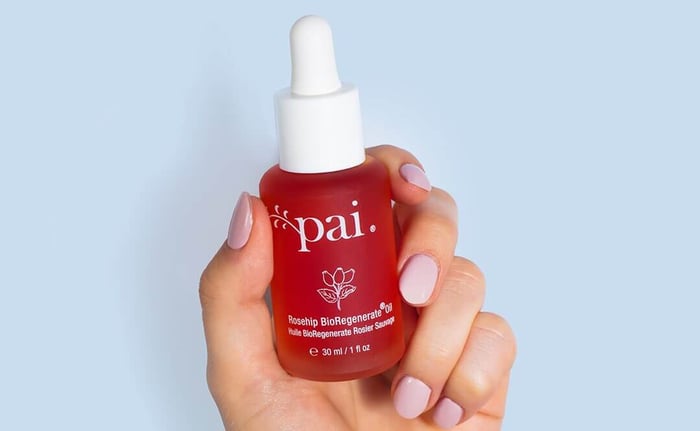
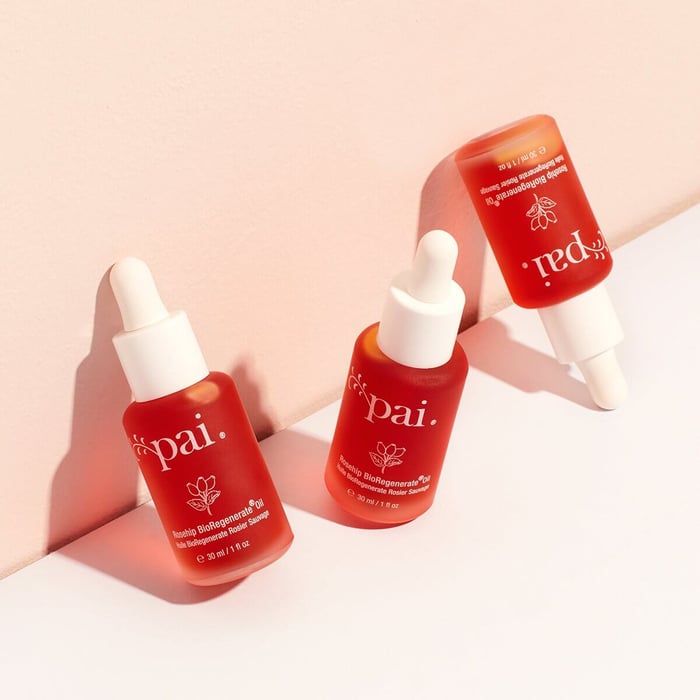
If you've tried retinol and your skin staged a rebellion, welcome to the club of the sensibly cautious. The "retinization" period (that's the industry's polite term for several weeks of irritation) sends many of us searching for gentler alternatives. Enter rosehip oil: specifically, our Rosehip Bioregenerate that delivers visible results without the drama.
The retinol reality check
Retinol works by converting to retinoic acid in your skin cells. This triggers faster cell turnover, stimulates collagen production, and helps fade dark spots. The clinical evidence is rock solid. The problem? So is the irritation for many of us.
That famous "break-in period" isn't just marketing speak. Your skin genuinely needs weeks to adjust to retinol's aggressive approach. Redness, peeling, dryness, increased sun sensitivity. For those with already compromised skin barriers (hello, sensitive skin), these reactions can be severe enough to cause more problems than the retinol solves.
Why rosehip oil works differently
Our Rosehip Bioregenerate doesn't contain vitamin A. What it does contain is beta-carotene, nature's gentler take on the retinoid family. Beta-carotene behaves differently depending on how you use it: when you eat it, your body converts it to vitamin A. When you apply it topically? Different story entirely.
On your skin, beta-carotene acts as a powerful antioxidant. It neutralises free radicals from UV exposure and pollution before they can trigger the oxidative stress that accelerates aging. Think protection rather than correction. Prevention rather than aggressive resurfacing.
But that's not the whole story. CO2 extraction (the method we use) delivers a complex of regenerative compounds that work synergistically. Essential fatty acids strengthen your barrier. Vitamin E provides additional antioxidant protection. Natural vitamin C brightens. The result? Many of the benefits people seek from retinol, achieved through nourishment rather than irritation.
The sensitive skin advantage
The difference matters if you have reactive skin: while retinol breaks down your barrier to force change, rosehip oil builds it up. Those with sensitivity already have a compromised barrier. Adding an irritant, even a beneficial one, often makes things worse before they get better. Sometimes they never get better.
Rosehip oil takes the opposite approach. It delivers ceramide precursors and essential fatty acids that help repair barrier function. The regenerative benefits come from supporting your skin's natural processes, not overriding them.
Making the switch (or the combination)
If you're considering rosehip oil as your retinol alternative, the approach depends on where you're starting:
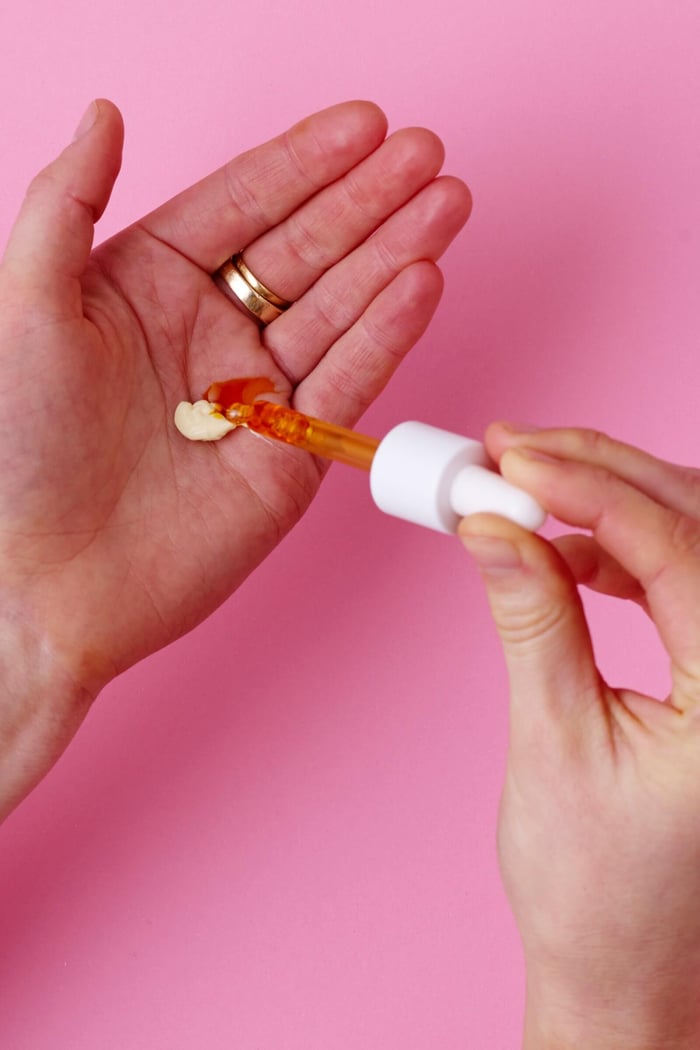
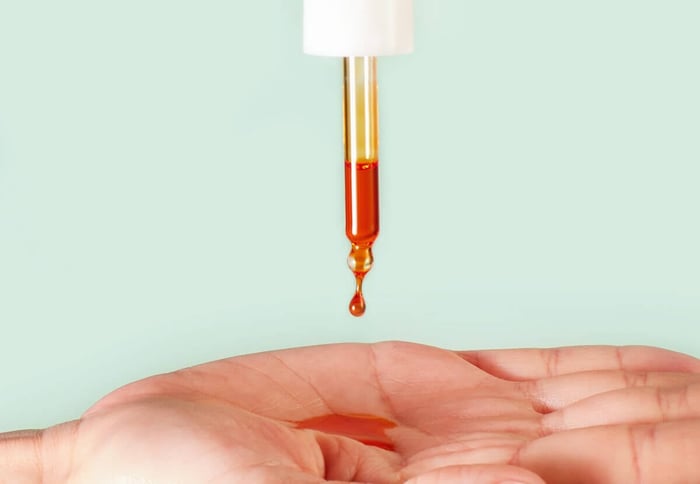
For retinol refugees: Apply 2-3 drops of Rosehip Bioregenerate morning and night after cleansing. You can use it immediately. No adjustment period. No purging. Just nourishment from day one.
For the retinol-curious but cautious: Start here. Build your barrier health first. You can always add retinol later if your skin can handle it, but establishing a strong foundation makes everything else more effective.
For successful retinol users: Consider rosehip oil for your morning routine. Retinol at night, antioxidant protection during the day. The beta-carotene helps defend against the photosensitivity retinol can cause.
Realistic expectations
Rosehip oil won't deliver the dramatic resurfacing effects of prescription treatments. If you have deep wrinkles or significant photodamage, a dermatologist might suggest stronger interventions. What rosehip oil will do: improve texture, boost radiance, strengthen your barrier, and provide antioxidant protection that helps prevent future damage.
For many of us, especially those with sensitive or reactive skin, that's exactly what we need. Not every effective skincare routine requires a battle with irritation. Sometimes the smartest approach is working with your skin, not against it.
Still curious about retinol for sensitive skin? Read our detailed guide on whether you should use retinol if you have sensitive skin for a deeper dive into the science and alternatives.