The science of beauty sleep (and why silk might actually help)
Every beauty editor talks about beauty sleep. Eight hours, they say. Silk pillowcase, they insist. What they don't tell you is the actual science of what happens to your skin overnight, and whether that £80 pillowcase is worth it.
We spend a third of our lives asleep. That's 229,961 hours of potential skin repair or skin damage, depending on how you approach it. And while we've been formulating overnight skincare for 17 years, we've also learned that what your face rests on matters almost as much as what you put on it.
What actually happens to your skin while you sleep
Your skin operates on a circadian rhythm. Between 10pm and 2am, cell turnover peaks, collagen production accelerates, and your skin barrier starts its nightly repair cycle. Cortisol (the stress hormone that breaks down collagen) drops to its lowest levels. Growth hormone surges.
This is when the heavy lifting happens. Dead cells shed. New ones form. The products you applied before bed finally get to work without competing against UV exposure, pollution, or that third coffee.
All that cellular activity comes with a trade-off: it makes your skin more permeable. More receptive to active ingredients, yes. But also more vulnerable to friction damage from your pillowcase.
The friction factor no one talks about
Sleep creases aren't just morning annoyances. When facial skin repeatedly folds against rough fabric, the mechanical stress can accelerate the formation of permanent lines. Think of it like ironing wrinkles into fabric, except the fabric is your face.
Laboratory testing shows that standard cotton pillowcases create 43% more friction against skin compared to silk. That's 43% more tugging on delicate eye areas, 43% more potential for sleep creases, 43% more mechanical stress on skin that's already working overtime to repair itself.
As skin loses elasticity with age, those temporary morning creases take longer to disappear. Eventually, they stop disappearing at all.
Why your expensive night cream might be feeding your pillowcase
Cotton is absorbent. Incredibly absorbent. Those same properties that make it brilliant for bath towels make it terrible for preserving your skincare investment.
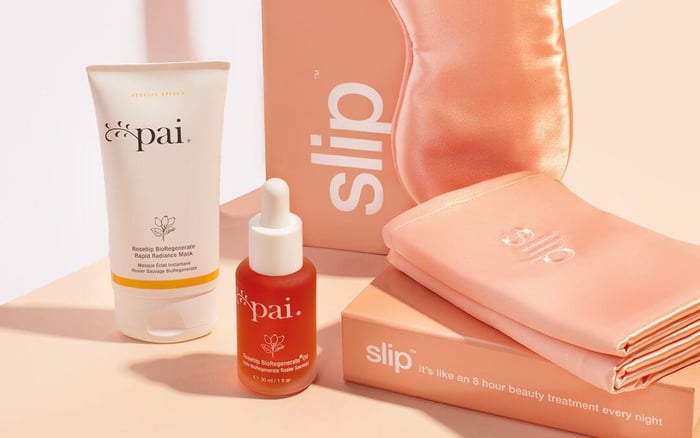
Independent testing shows silk fibres absorb significantly less product than cotton. Your Rosehip Bioregenerate with its 700% higher antioxidant levels? On cotton, a decent percentage ends up in the fibres. On silk, it stays on your skin where it belongs.
This isn't just about product waste. It's about efficacy. Overnight treatments work by creating an occlusive layer that helps active ingredients penetrate while you sleep. When your pillowcase wicks away that protective layer, you lose both the occlusivity and the actives.
The overnight repair routine that actually works
Start with clean skin. Not just makeup-free, but properly clean. Our Light Work dissolves everything without stripping the barrier you're about to spend eight hours rebuilding.
Follow with targeted treatments. If you're dealing with hyperpigmentation, The Impossible Glow uses stabilised vitamin C and kakadu plum (containing 100 times more vitamin C than oranges) to interrupt melanin production while you sleep.
Lock it in with something substantial. Overnight is when your skin can handle richer textures without feeling greasy. Our C-2 Believe was specifically formulated to deliver time-released vitamin C throughout the night.
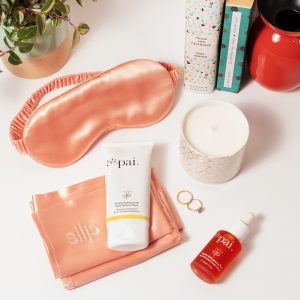
Then consider your sleep surface. Quality silk (and we mean properly graded mulberry silk, not synthetic satin) reduces friction, maintains moisture, and keeps your skincare where it belongs: on your face.
What about sleep position?
Back sleepers have it easiest. No friction, no compression, no sleep creases. But telling a side sleeper to sleep on their back is like telling someone to change their handwriting. Good luck with that.
For the 74% of us who sleep on our sides, the solution isn't position training. It's damage limitation. Reduce friction with silk. Support skin elasticity with ceramides and peptides. Accept that perfection isn't the goal, progress is.
The truth about beauty sleep
Eight hours of quality sleep does more for your skin than any serum. The research is unequivocal: sleep deprivation increases cortisol, impairs barrier function, accelerates ageing, and makes every skin condition worse.
But the beauty industry's obsession with sleep accessories often misses the point. Yes, silk reduces friction. Yes, keeping your skincare on your face instead of your pillow makes sense. But the biggest beauty sleep upgrade? Actually getting enough sleep.
Fix your sleep hygiene first. Invest in blackout curtains before silk pillowcases. Sort your stress levels before your thread count. Then, once you're actually getting those eight hours, optimise the details.
Because the most expensive pillowcase in the world won't compensate for five hours' sleep and three glasses of wine. Trust us, we've tested it. For science, obviously.
Want more sleep and skin science? Read our guide to 5 signs your skin needs more sleep or discover evidence-backed ways to improve your sleep quality.