
Ectoine: The extremophile ingredient that's changing how we protect skin
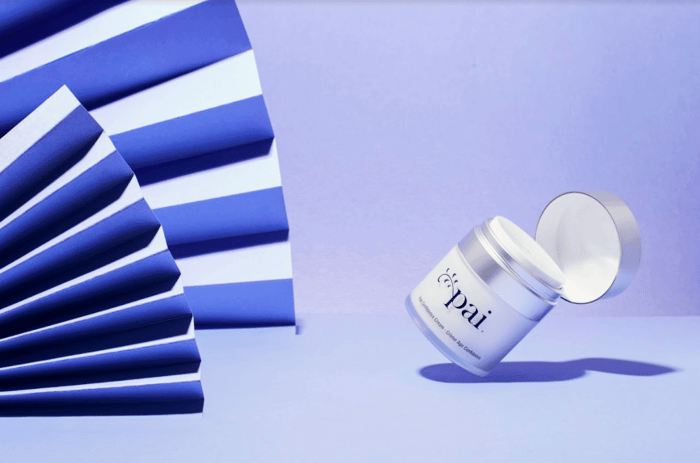
Our Age Confidence Cream got a serious upgrade with the addition of Ectoine. It's a cellular protector that delivers measurable hydration and UV defence, and we've finally formulated it at the optimal concentration. What we found changes how we think about environmental protection.
Scientists discovered Ectoine in Egyptian salt lakes in 1985. It's an extremolyte, a small stress-protection molecule that protects microorganisms living under extreme conditions such as salt lakes, hot springs, arctic ice, the deep sea, or deserts. Finding life thriving in these hostile conditions sparked decades of research into how this molecule could protect human skin too.
Ectoine is an amino acid derivative known as an extremolyte. Think of extremolytes as nature's survival kit: molecules that organisms produce to withstand brutal environments. Ectoine is a bacteria-derived extremolyte with the ability to protect proteins and biological membranes from damage caused by extreme environmental conditions such as heat, UV light, high osmolarity, or dryness.

For skin, this translates to measurable protection. Its main mode of action is binding water molecules (aka kosmotropic) and creating hydro complexes. These complexes then surround important biomolecules (e.g. cells, proteins, enzymes) and form a stabilizing hydration shell around them. This protective mechanism translates directly to skin benefits.
The evidence is compelling. Ectoine functions as a hydration powerhouse, delivering superior moisture retention compared to traditional humectants like hyaluronic acid. Clinical studies reveal that ectoine can increase skin hydration by up to 200%, with effects lasting 24 hours or more after application. The hydration data is impressive, but the anti-inflammatory results are what caught our attention.
What really sets Ectoine apart is its anti-inflammatory action. In studies where ectoine was used as an adjuvant therapy, application was associated with a decreased need for pharmacological therapy and also improved the effectiveness of, e.g., topical corticosteroids. In patients undergoing isotretinoin therapy, ectoine was as effective as dexpanthenol in reducing retinoid dermatitis or improving symptoms. Ectoine is an effective natural substance with an excellent tolerability and safety profile, representing a beneficial alternative as basic therapy or to increase the efficacy of the pharmacological treatment regimen for patients with inflammatory skin diseases, including infants and children.
The UV protection data is equally compelling. Another remarkable property of Ectoin is protecting the epidermal immune cells called Langerhans cells from UV damage. 0.3% and 0.5% Ectoin cream was used twice a day for 14 days on the forearm and then irradiated with 1.5 MED UV (one and a half times the UV dose that causes detectable redness). While the untreated, UV-stressed area showed a 40% decrease in viable Langerhans cells, 0.5% Ectoin showed 100% protection (and 0.3% showed ~95% protection).
Recent research is uncovering even more benefits. Researchers found that ectoine significantly increased the cellular proliferation of fibroblasts after UVA radiation and exposure to H2O2 (from 50% to 100% cell viability), with the best efficacy at 0.8%. Additionally, researchers found that the use of 0.8% ectoine halved the levels of ROS within cells compared to the control without ectoine. Concurrently, 0.8% ectoine has significantly increased the activities of antioxidant enzymes, superoxide dismutase (SOD) and the glutathione peroxidase (GSH-Px), previously decreased by UV and H2O2. Given that one of the main causes of skin aging is oxidative degradation, we can hypothesize that ectoine works against photoaging by increasing the levels of antioxidant enzymes. These enzymes play a role in trapping free radicals produced by UVA rays, among other sources, thereby limiting the damage related to oxidative stress, such as the alteration of dermal fibers. This cellular-level protection translates to visible improvements in skin resilience and barrier function.
We've included Ectoine in our reformulated Age Confidence Cream to boost skin hydration, elasticity and barrier strength. Clinical testing shows 200% improved hydration retention and measurable barrier strengthening within 14 days.
What makes Ectoine particularly special for sensitive skin is its proven safety profile. Ectoine is an effective natural substance with an excellent tolerability and safety profile, making it suitable even for reactive skin types that struggle with traditional anti-aging actives.
We'd love to know what you think of our upgraded formula. If you're already using it, drop us a line about your results.