
If you're reading this with itchy, inflamed skin wondering what triggered it this time, you're not alone. About one in ten adults deals with eczema, and most of us are still playing detective with our triggers.
The good news? While adult eczema tends to stick around (unlike childhood eczema, which often disappears by the teens), understanding your triggers can make it far more manageable. Understanding your triggers turns eczema from random chaos into something you can predict and manage. Once you're fluent, life gets easier.
Why winter makes everything worse
Most people with eczema dread winter for good reason. Cold air, central heating, and vitamin D deficiency create the perfect storm for eczema flares.
Arctic air meets tropical heating. Cold air holds less moisture. It's basic physics, and deeply annoying for eczema-prone skin. When the humidity drops below 30% (standard British winter), skin loses water faster than it can replace it. Dry skin itches. Itchy skin gets scratched. Scratched skin flares up. The eczema cycle begins.
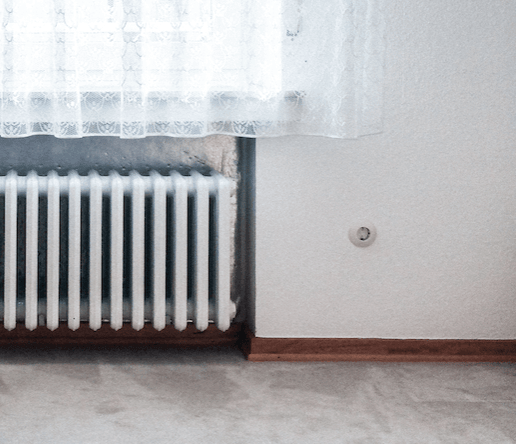
Central heating is not your friend. We blast our homes to subtropical temperatures while it's freezing outside. That dramatic temperature swing confuses skin, and the dry indoor air makes it worse. Try keeping your bedroom cooler at night (your skin and your sleep will thank you). And invest in a proper barrier repair cream. Instant Kalmer with its soothing botanicals helps rebuild what central heating strips away.
The vitamin D drought. British winter means seeing the sun approximately never. Less sun means less vitamin D production in your skin. Vitamin D helps regulate immune responses and skin cell turnover. When levels drop, eczema often gets worse. Consider a supplement, especially if you're avoiding dairy (more on that below).
That lovely wool jumper? Your skin disagrees. Rough fibres trigger mechanical irritation. It's not an allergy, just physics. Wool, even cashmere, has microscopic scales that catch and scratch. Cotton or silk against skin, wool on top. This prevents direct fibre irritation.

Counterintuitively, some people find summer worse for their eczema. Sweat changes skin pH, creating an environment where bacteria thrive. Humidity can make skin feel suffocated. This variability is exactly why most eczema advice fails. It assumes everyone's triggers are the same.
What you eat might be making it worse
The link between diet and eczema is controversial. Dermatologists tend to be sceptical. People with eczema tend to notice patterns.
The acid test. Some foods create more acid in your body when digested. Dairy, refined sugar, processed grains. The theory (dating back decades but still debated) suggests high acidity disrupts gut health, which shows up as skin inflammation. Your morning porridge is surprisingly acidic. Several customers have told us switching to alkaline breakfasts helped their skin. It's anecdotal evidence, but if nothing else is working, it's worth trying.
Dairy and meat: double trouble. Beyond acidity, both are common allergens and contain arachidonic acid, an omega-6 fatty acid that promotes inflammation when you have too much of it. Modern diets are already omega-6 heavy. If you're eating meat and dairy daily, you might be adding fuel to the inflammatory fire.

Anti-inflammatory fats can help balance this equation. While cutting inflammatory foods, add anti-inflammatory ones. Omega-3s from flax, hemp, and chia seeds help balance out all those omega-6s. Grind flax seeds fresh (pre-ground goes rancid quickly) or take a quality supplement. Store oils in the fridge. Oxidised omega-3s are worse than none at all.
Before overhauling your entire diet, keep a food diary for two weeks. Note what you eat and how your skin behaves 24-48 hours later. Patterns will emerge. And please, if you're planning major dietary changes, especially elimination diets, talk to a nutritionist first. Elimination diets can create nutritional gaps that actually worsen skin inflammation.
The Pai approach to calmer skin
We built this company because Sarah, our founder, had eczema that reacted to everything. Even products marketed for sensitive skin made it worse. The solution wasn't to use nothing. It was to use better things.
Start with barrier repair. Light Work removes everything without stripping your skin's protective oils. Follow with The Pioneer if you're oily-prone, or The Anthemis if you're dry. Both use barrier-supporting ingredients that help skin help itself.
For active flares, less is more. Stick to the gentlest routine that still cleanses and protects. Once calm returns, you can gradually reintroduce other products. And remember: eczema is a medical condition. If it's severe, painful, or not responding to careful skincare and trigger avoidance, see a dermatologist. They have tools we don't.
Living with eczema means becoming a skin detective. The clues are there. Winter weather, dietary triggers, irritating fabrics, stress, hormones. Once you identify your personal triggers, you can work around them. It's not about perfection. It's about more good days than bad ones.