
Sensitive skin. If you're reading this, you probably know the drill. The stinging when everyone else is fine. The redness that appears from nowhere. The exhausting detective work of figuring out which ingredient in which product is the culprit this time.
You're not imagining it. Over 70% of women report having sensitive skin at some point. But here's the thing: understanding why your skin reacts the way it does is the first step to actually doing something about it. So let's get specific.
Sensitive vs sensitised: what's actually happening to your skin
First, let's sort out what we're dealing with. Not all reactive skin is created equal.
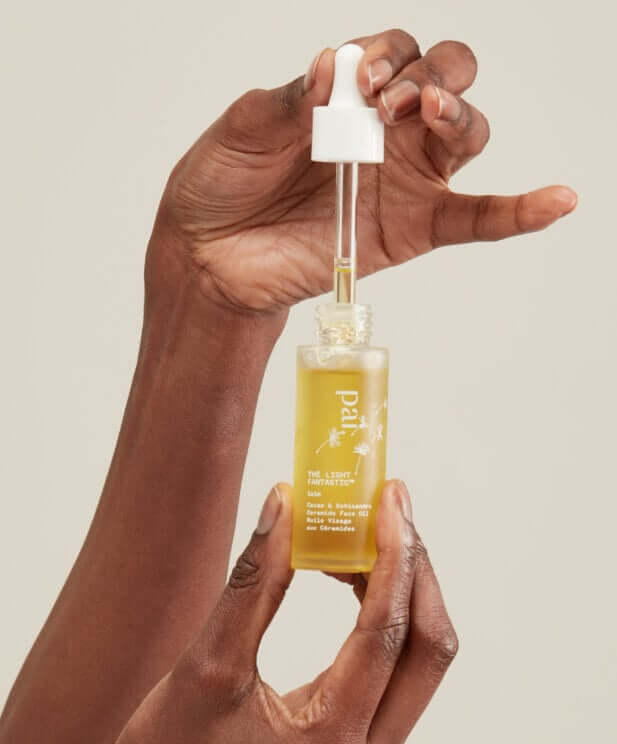
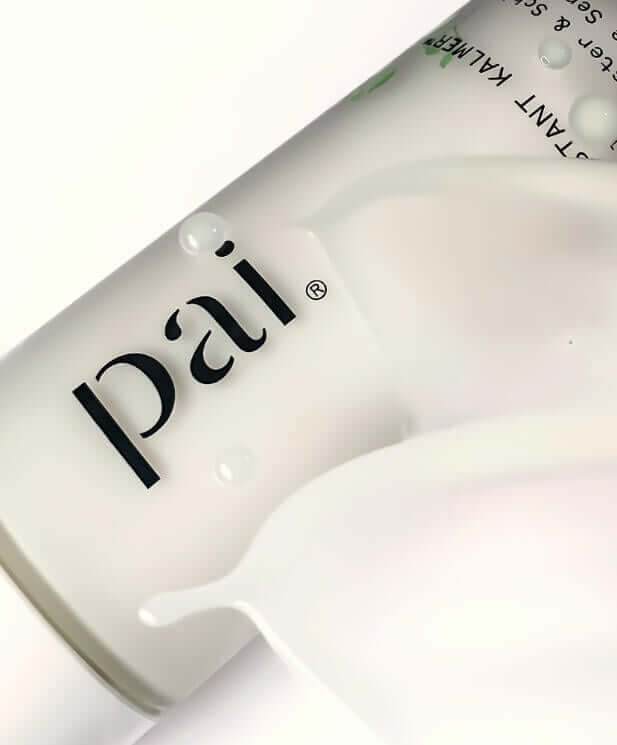
Sensitised skin is temporary. Think of it as your skin having a bad month. Stress, too many actives, a brutal winter, that chemical peel you regretted immediately. These external factors damage your lipid barrier (the fatty outer layer that keeps moisture in and irritants out), leaving your skin vulnerable. The good news? Remove the trigger, rebuild the barrier, and you can get back to normal in about six weeks. Our Instant Kalmer Ceramide Serum was specifically formulated for this: phytosphingosine stimulates your skin to produce its own ceramides, essentially teaching it to repair itself.
Sensitive skin is the long game. Usually genetic, it means your barrier function is inherently compromised. Maybe you have eczema, rosacea, or urticaria (the condition that led our founder Sarah to create Pai in the first place). Maybe you just drew the short straw in the skin lottery. Your barrier doesn't just need a temporary fix. It needs constant, intelligent support.
How do you know which one you have? Sensitised skin is reactive to specific triggers and improves when you remove them. Sensitive skin reacts to, well, everything. New products, weather changes, stress, that time you looked at a fragrance counter sideways.


The real reasons your skin is sensitive
Understanding the why behind your sensitivity isn't just interesting. It's practical. Different causes need different approaches.
It's in your DNA
If your mum spent years avoiding half the beauty counter, chances are you will too. Genetic sensitivity often comes packaged with conditions like eczema (impaired barrier function), rosacea (overactive blood vessels and inflammation), or psoriasis (accelerated skin cell turnover).
But genetics aren't just about conditions. Studies show that East Asian skin has thinner stratum corneum and higher transepidermal water loss, making it more reactive. Black skin produces fewer ceramides, leading to ashiness and sensitivity that's often misdiagnosed. Your ethnicity, age, and even where your ancestors evolved all play into how your skin behaves today.
Your environment is working against you
Modern life is basically an assault course for sensitive skin. UV exposure breaks down collagen and triggers inflammation. Pollution generates free radicals that eat through your barrier lipids faster than you can replace them. Central heating and air conditioning create moisture deserts. Even your tap water (hard water is loaded with calcium and magnesium) can strip your skin's natural defences.
The fix isn't hiding indoors. It's intelligent protection. A mineral SPF like our British Summer Time SPF 30 creates a physical barrier against UV without the chemical filters that can irritate. Layer hydration with a hyaluronic acid serum that pulls moisture from the air. Think of it as giving your skin the tools to fight back.
When skin conditions dial up the sensitivity
If you have a diagnosed skin condition, you're playing on hard mode. Here's what's actually happening:
Eczema: Your skin literally can't hold onto moisture. The ceramide production is faulty, creating gaps in your barrier where irritants sneak through and water escapes. It's like trying to fill a colander. Managing facial eczema requires constant barrier support.
Rosacea: Blood vessels near the surface overreact to triggers (heat, spice, stress, wine). The result? Persistent redness, visible capillaries, and skin that flushes at the slightest provocation. Certain ingredients make it worse.
Psoriasis: Your skin cells multiply seven times faster than normal, creating thick, scaly patches. The rapid turnover means your barrier never fully forms. It's inflammation in overdrive.
Urticaria: Also known as hives, this is what Sarah has. Specific triggers cause histamine release, creating raised, itchy welts. The triggers can be anything from pressure to temperature changes to that new serum you were excited about.
How to actually manage sensitive skin (not just survive it)
Sensitive skin doesn't need kid gloves. It needs smart formulation. Here's what actually works:
Patch test like a scientist. Inner elbow or behind the ear, three days straight. Yes, it's boring. Yes, it's worth it. Keep notes. Patterns emerge. That's data you can use.
Learn to read an INCI list. Ingredients are listed in descending order of concentration. If fragrance (parfum) is in the top five, put it back. If you react to a product, photograph the ingredient list. After three reactions, you'll spot the common culprit. For most people, it's fragrance, sulfates, or specific preservatives.
Choose your acids wisely. Not all acids are enemies. Lactic acid at 5% can actually strengthen your barrier by boosting ceramide production. Glycolic at 10% might destroy it. Concentration matters as much as the ingredient itself.
Ceramides are non-negotiable. They're not trendy. They're not exciting. They're the molecular mortar that holds your skin cells together. Without them, everything else you put on your skin is trying to penetrate a broken barrier. Our Instant Kalmer delivers phytosphingosine to trigger your skin's own ceramide production. Smarter than just adding ceramides topically.
Ignore meaningless marketing terms. "Hypoallergenic" has no legal definition. "Dermatologist tested" could mean one dermatologist looked at it once. "For sensitive skin" is what brands write when they've removed one obvious irritant and called it a day. Look for proper certifications: COSMOS for organic standards, patch testing data, genuine clinical trials.
Building a routine that actually works
Sensitive skin routines fail when they try to do too much. Start simple. Get it right. Then build.
Morning: Gentle cleanse (or just water if your skin's happy), hydrating serum, moisturiser, SPF. That's it. Layer from thinnest to thickest.
Evening: Proper cleanse (remove SPF and the day), treatment serum if your skin tolerates it, richer moisturiser or facial oil. Night is when skin repairs.
The products matter less than the consistency. A basic routine you actually stick to beats a 10-step system you abandon after a week. Although obviously, we'd rather you stick to a routine using products that are formulated specifically for sensitivity. That's literally why we exist.
Still overwhelmed? Book a free consultation with our skincare coaches. They've seen every type of sensitive skin and can build you a routine that makes sense for your specific triggers.
Sensitive skin might be your starting point, but it doesn't have to be your whole story. Shop our complete range of products that prove natural and high-performance aren't opposites. They're the same thing, done properly.
Frequently Asked Questions
What is the difference between sensitive skin and sensitised skin?
Sensitive skin is usually genetic and describes a longer-term skin type with an impaired skin barrier, often linked to conditions like eczema, rosacea or urticaria. Sensitised skin is temporary, caused by external stressors like sun damage, pollution, medication or harsh beauty treatments, and can recover in around six weeks once you identify and remove the trigger.
What are the most common causes of sensitive skin?
Genetics is the biggest factor. Your DNA determines your skin type and whether you inherit conditions like eczema, acne or rosacea. Environmental factors like UV exposure, extreme cold and pollution also play a role by stripping the skin's barrier lipids, and sensitivity can increase with age as the lipid barrier naturally thins.
Why do different ethnicities experience skin sensitivity differently?
Studies have found that skin properties vary considerably among ethnic groups. East Asian skin tends to show increased sensitivity, while Black skin is often dry and flaky due to lower levels of ceramides, the fat molecules that help skin retain moisture.
How should I patch test new skincare products if I have sensitive skin?
Apply any new product to your inner elbow or neck for three consecutive days before using it on your face. Keep a skin diary alongside this so you can track reactions and spot patterns in ingredient lists (INCI lists) that might be causing problems. Also look for COSMOS certification rather than vague marketing terms like "hypoallergenic."
What ingredients should I look for (and avoid) with sensitive skin?
Seek out ceramides, which help keep your skin barrier healthy and build resilience over time. Avoid synthetic fragrances, one of the most common irritants for sensitive skin, and opt for essential oils in small amounts or fragrance-free formulas instead. For deep hydration on very dry or eczema-prone skin, a hyaluronic acid serum like Pai's Back To Life Hydration Serum can help restore moisture without irritation.