
Exfoliation and sensitive skin. Two concepts that sound about as compatible as a cat in a bathtub. Yet here's the thing: that layer of dead cells sitting on your face isn't doing you any favours. It's blocking your serums from working, making your skin look dull, and generally acting like the world's least effective bouncer. Time to show it the door.
Dead skin cells are basically a barrier between your products and where they need to be. So how often should you actually be buffing away those cells without turning your face into an angry tomato?
The daily exfoliation question (spoiler: absolutely not)
Daily exfoliation is like daily deep cleaning your house. Sounds productive. Is actually destructive. Your skin needs some of those surface cells to protect itself, and stripping them away every single day is a fast track to irritation, redness, and a compromised barrier.
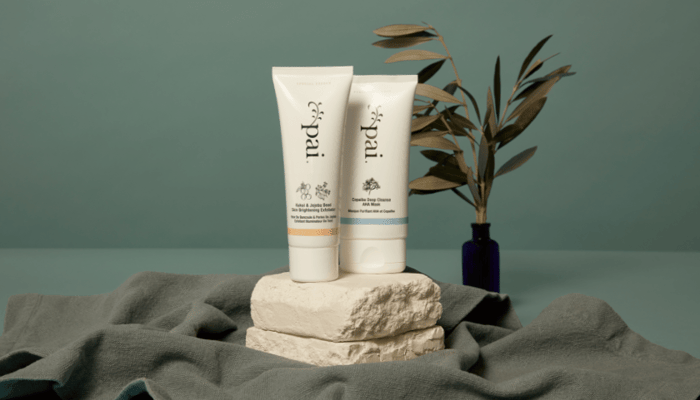
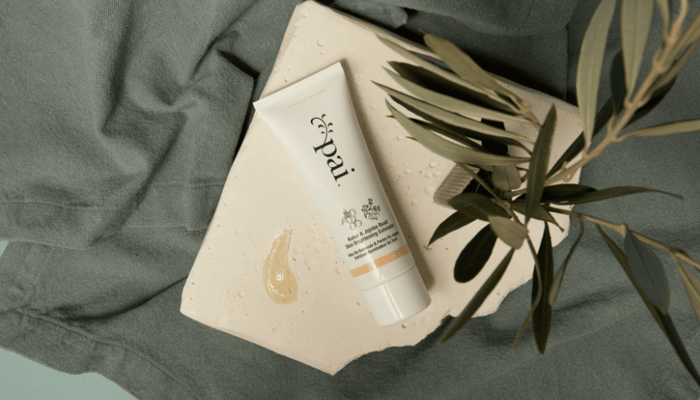
Whether you prefer the gentle physical action of our Virtuous Circle with its perfectly spherical jojoba beads (no sharp edges here), or the chemical approach of our Copaiba Deep Cleanse AHA Mask with lactic acid that dissolves dead cells while you Netflix, this isn't a daily ritual. It's a weekly treat.
Your skin type, your schedule
One to two times per week is our general guideline, but your skin has its own opinion on this:
Hypersensitive skin: Once every 7-10 days. Think of it as a monthly deep clean rather than weekly maintenance.
Mild rosacea with sensitivity: Once a week, ideally with our gentler physical exfoliant rather than acids.
Combination skin: 1-2 times weekly, focusing more on the oily zones if you're spot-treating.
Dry, dehydrated, or mature skin: Twice weekly works well. Dead cells accumulate faster on dry skin, creating that rough, flaky texture.
Acne-prone skin: Also twice weekly. Regular exfoliation helps prevent pores from clogging with dead cells and sebum.

Morning or night? Night only
Exfoliation is an evening activity. Freshly exfoliated skin is more vulnerable to environmental damage and UV exposure. Plus, your skin does its repair work overnight, so giving it smooth, clean canvas before bed means your nighttime treatments can actually penetrate properly.
The routine is simple. Cleanse first to remove makeup and daily grime. Exfoliate second. Follow with your serums, oils, or moisturisers while your skin is primed to absorb them. Your products will thank you by actually working instead of sitting on top of dead cells wondering what to do.
Signs you've gone overboard
Over-exfoliation is real, and your skin will tell you exactly when you've gone too far:
Tightness that won't quit: If your skin feels like it's two sizes too small even after moisturising, you've overdone it.
Sudden sensitivity: Products that never bothered you before suddenly sting or burn.
Breakout city: Counterintuitively, over-exfoliation can trigger spots. Your damaged barrier can't keep bacteria out properly.
Dry patches that weren't there before: Your skin's moisture barrier has waved the white flag.

The recovery plan
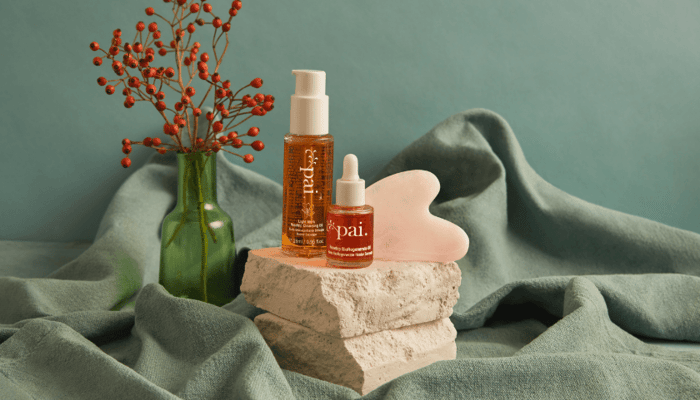
If you've been a bit enthusiastic with the exfoliation, stop everything. Your skin needs a break and some serious TLC. Reach for barrier-repairing heroes like our Rosehip Bioregenerate, packed with omega fatty acids that help rebuild your skin's protective layer. The trans-retinoic acid naturally present in our CO2-extracted rosehip also helps with cellular renewal, but gently.
For an intensive treatment, our British Summer Time provides mineral protection during the day while your barrier recovers. At night, layer the rosehip oil under a rich moisturiser to lock in the repair benefits.
The sensitive skin exfoliation rules
These rules matter:
Choose your method wisely. Physical exfoliation with smooth, spherical beads is often gentler than acids for very sensitive skin. No walnut shells, no sharp edges, just gentle polishing.
Patch test like your skin depends on it. Because it does. Try any new exfoliant on a small area first, ideally behind your ear or on your inner arm.
Listen to your skin, not the calendar. If it's been a week but your skin still feels sensitive from the last exfoliation, wait. There's no exfoliation police.
Quality over quantity. One good exfoliation session beats three rushed, aggressive ones. Take your time, use gentle circular motions, and let the product do the work.
Follow up properly. Exfoliation without proper hydration afterwards is like cleaning your house then leaving all the windows open in a dust storm. Seal in the benefits with good skincare.
Still unsure? Let's talk
Every sensitive skin is different, with its own quirks and triggers. If you're still not sure whether exfoliation is right for you, or you're dealing with specific concerns like eczema or severe rosacea, our skin experts are here to help. Book a free 30-minute consultation and we'll create a routine that works with your skin, not against it.
Remember: exfoliation is meant to reveal brighter, smoother skin. Not angry, raw skin. When in doubt, less is more. Your face will tell you when it's ready for more.