
Most people use twice as much moisturiser as they need. Too much and you're wasting product. Too little and the actives can't do their job.
We get this question constantly. And while there's no universal answer (skin is wonderfully individual), we can share what works for most people, including our own team here at Pai.
Face moisturiser: 1-3 pumps is your sweet spot
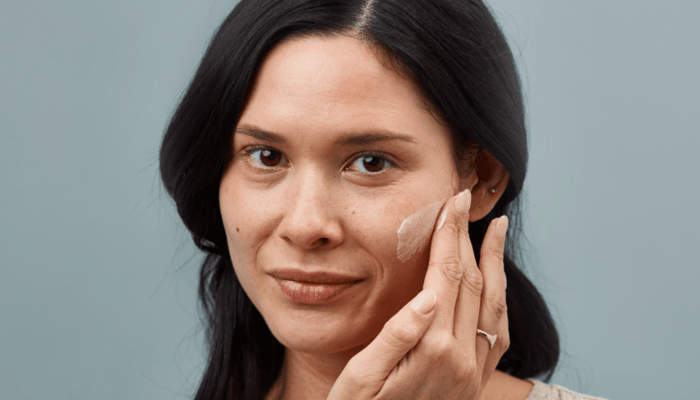
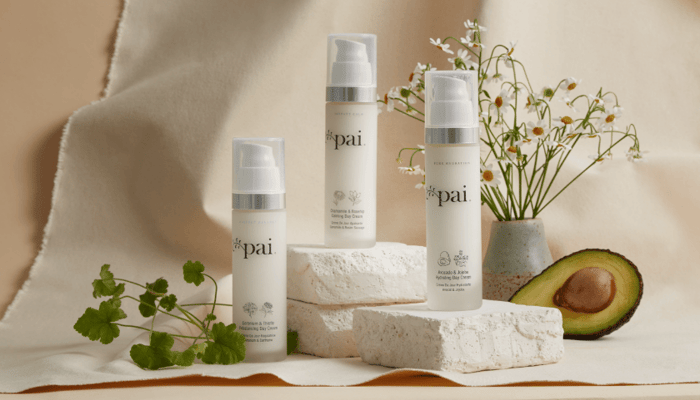
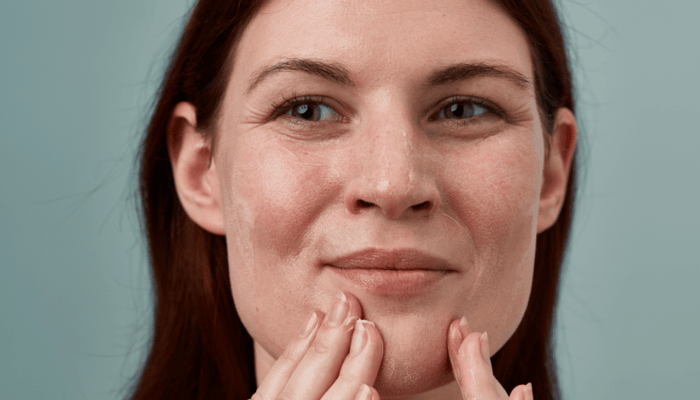
Start with one pump of your day cream or night moisturiser. Spread it between your fingertips and press gently into skin. Need more? Add another pump. Some of our team with oilier complexions find a single pump of Salvation Jane is plenty. Others with drier skin happily use three pumps of Bonne Nuit.
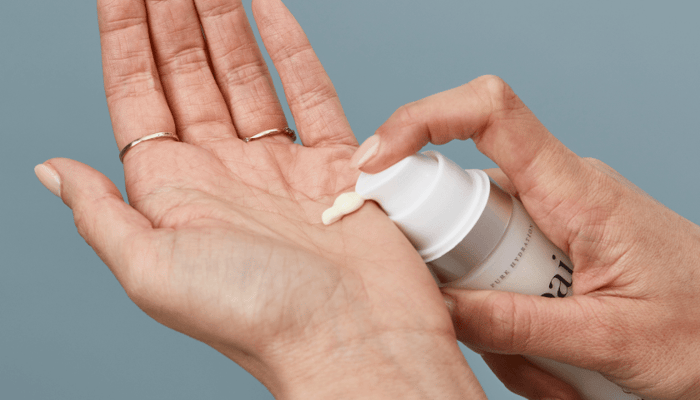
Your skin will tell you what works. Tightness means add more. Shine after 20 minutes means scale back. The beauty of a pump dispenser is the control it gives you.
Avoid the temptation to slather on half a jar when your skin feels parched. Overloading prevents proper absorption and can leave you looking greasy rather than glowing. Better to apply two pumps in the morning, let it sink in, then top up midday if needed.
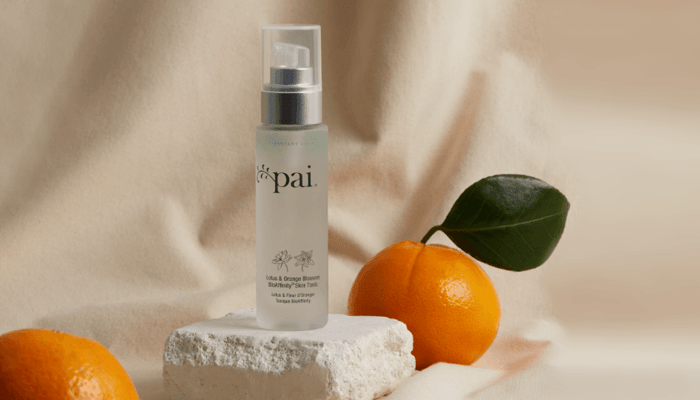
Pro tip: A spritz of Century Flower before your moisturiser creates the perfect canvas. Damp skin drinks in hydration more effectively, meaning your cream spreads further and absorbs deeper.
Eye cream: Half a pump maximum (seriously)
Eye cream is where most people go wrong. The skin around your eyes is up to ten times thinner than the rest of your face. It has no oil glands of its own. Overload it with product and you're asking for puffiness, milia, and irritation.
Half a pump of Feather Canyon covers both eyes. That's it. The precision tip dispenses exactly what you need.
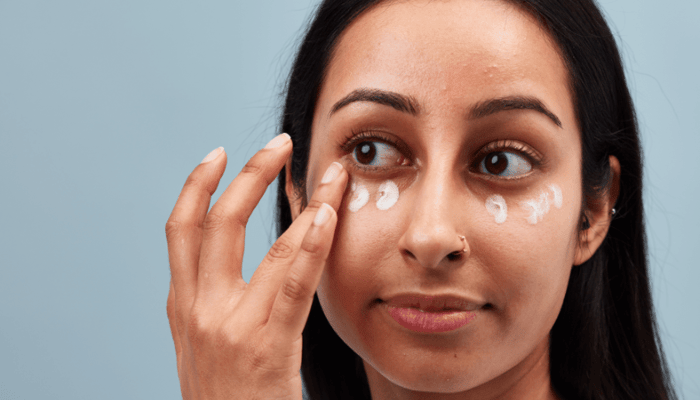
The technique: don't apply directly under your eye. Instead, dot the cream along your orbital bone (that's the ridge at the top of your cheekbone). Your ring finger applies the least pressure, so use it to gently pat the product in.
The skin naturally draws the cream upward from the orbital bone, taking exactly what it needs without overwhelming the delicate area. This method prevents product migration into the eye itself, which causes that puffy morning look nobody wants.

Face oil: 2-3 drops transforms everything
Two to three drops of Rosehip BioRegenerate or The Light Fantastic is all any skin type needs. Drop them into your palm, rub your hands together to warm the oil, then press gently into skin.
For better absorption without greasiness: Apply to damp skin straight after cleansing. The water helps the oil spread and sink in rather than sitting on the surface. You'll use less product and get better results.
Getting it right for your skin
These amounts work for most people, but your skin might have different ideas. Factors that affect how much product you need:
Climate: Cold, dry weather demands more hydration. Hot, humid conditions mean scaling back.
Skin condition: Compromised barriers need extra support. Oily patches need a lighter touch.
Time of day: Night skin can handle richer textures. Morning skin needs to play nicely with SPF and makeup.
Product formulation: Our Anthemis Moisturiser is lighter than Salvation Jane. Adjust accordingly.
The golden rule remains: start with less, add more if needed. You can always apply a second layer. You can't take one away.
Want more application tips? Check out 5 ways to use our eye cream for techniques that maximise results while minimising waste.
Frequently Asked Questions
How much face moisturiser should I actually be using?
One to three pumps is the sweet spot for most people. Start with a single pump, press it gently into skin, and add more only if your skin still feels tight. If you notice shine after 20 minutes, scale back next time.
Why does applying too much eye cream cause puffiness?
The skin around your eyes is up to ten times thinner than the rest of your face and has no oil glands of its own. Overloading it with product can cause puffiness, milia, and irritation. Half a pump is enough for both eyes, dotted along the orbital bone and patted in gently with your ring finger so the skin draws up only what it needs.
How many drops of Rosehip BioRegenerate Oil should I use?
Two to three drops is all any skin type needs. Warm them between your palms and press into damp skin straight after cleansing. The water helps the oil spread and absorb rather than sitting on the surface, so you use less product and get better results.
Does applying moisturiser to damp skin really make a difference?
Yes. A spritz of toner or mist before your moisturiser creates a damp canvas that drinks in hydration more effectively. Your cream spreads further, absorbs deeper, and you end up needing less product overall.
Should I adjust how much moisturiser I use depending on the season or time of day?
Absolutely. Cold, dry weather typically demands more hydration, while hot, humid conditions call for a lighter touch. Night skin can handle richer textures and more product, whereas morning application needs to sit well under SPF and makeup, so keep it lighter.