
Back acne. Body acne. Bacne. Whatever you call it, spots on your back and shoulders can be just as frustrating as facial breakouts. Actually, they can be worse. The skin on your back is thicker, harder to reach, and constantly covered in clothing that can trap sweat and bacteria.
Understanding what triggers back acne is the first step to clearing it. And with the right approach, you can get those strappy summer tops out of storage with confidence.
What causes back acne?
Like facial acne, back spots form when pores become clogged with dead skin cells and excess sebum. But body acne has its own particular challenges.
Your back has larger pores and thicker skin than your face, which means blockages can go deeper. Add constant friction from clothing, backpack straps, and bra bands, plus the fact that most of us can't properly see (or reach) our backs to treat them, and breakouts become inevitable.
The usual suspects behind back breakouts
Your shower routine might be working against you. Heavy conditioners and body lotions can clog pores, especially if they're not properly rinsed away. That residue from your hair products? It's sliding down your back every time you shower. Switch to lighter formulas and always cleanse your back after conditioning your hair, not before.

Workout gear is a prime culprit. Tight sports bras and synthetic fabrics create the warm, moist environment that acne bacteria love. The longer you stay in sweaty clothes, the more likely you are to break out. Hit the gym showers immediately after your workout. If that's not possible, at least change into clean, loose cotton clothing.
Hormones play a significant role. High testosterone promotes excess sebum production, while dropping oestrogen levels before your period can trigger breakouts. If your back acne follows a monthly pattern or started after going off the pill, hormones are likely involved.
Diet directly affects sebum production. Sugar and high-glycemic foods spike insulin, which increases sebum production. Our diet guide breaks down exactly which foods support clear skin and which ones sabotage it.
Genetics set the stage. If your parents dealt with body acne, you've likely inherited larger pores, more active sebaceous glands, or skin that's slower to shed dead cells. You can't change your genetics, but you can work with them.
How to clear back acne: what actually works
Harsh medicated washes strip your skin and trigger rebound oil production. What dermatologists and our lab team recommend:

1. Choose your cleansing wisely
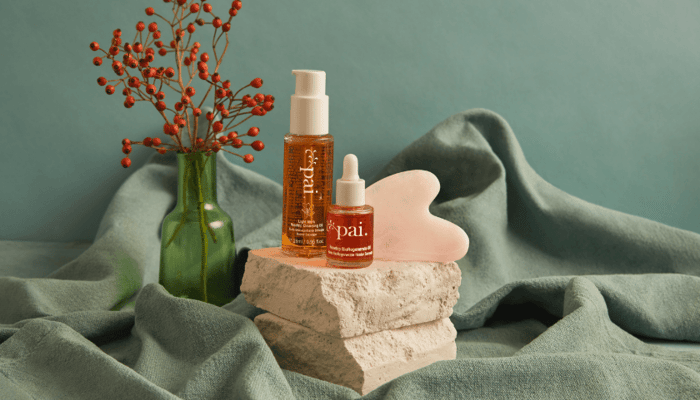
Skip the sulphate-heavy body washes that promise to "fight acne" but actually disrupt your skin barrier. Our Light Work might seem counterintuitive for oily, acne-prone skin, but oil dissolves oil. It breaks down sebum plugs without stripping your skin, and the rosehip oil helps fade post-inflammatory marks.
For a gentler everyday option, look for a pH-balanced, fragrance-free wash. Castile soap with 80% olive oil content cleanses without over-drying. Add a drop of tea tree oil (naturally antibacterial) to your palm before lathering if you want extra acne-fighting power.
2. Exfoliate strategically
Chemical exfoliation beats physical scrubbing for back acne. Salicylic acid (BHA) penetrates oil to clear pores from within. Our recommendation? Start with exfoliation twice weekly, using a clean exfoliating mitt with your chosen cleanser. The mechanical action helps, but it's the ingredients doing the real work.
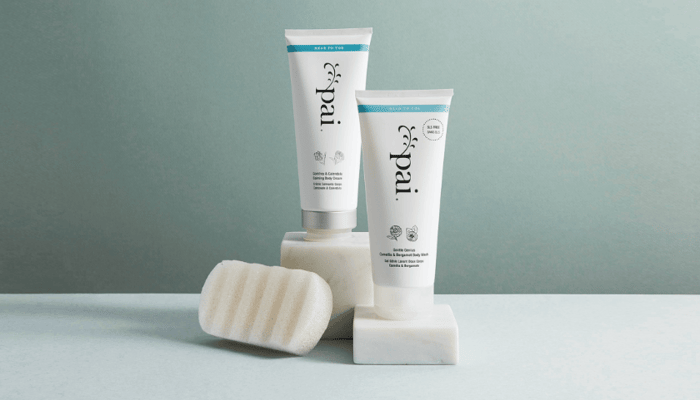
Follow each cleanse with our Soothing Body Cream. The calendula reduces inflammation while comfrey supports skin healing. For active breakouts or scarring, layer Rosehip BioRegenerate underneath. Its vitamin A content accelerates cell turnover and the omega fatty acids reduce inflammation.
3. Rethink your wardrobe
Cotton and linen let skin breathe. Synthetic fabrics trap heat and moisture. Wash workout gear after every single use (bacteria multiply fast in damp fabric), and choose fragrance-free, hypoallergenic detergents. Those "fresh mountain breeze" scents often irritate sensitive, acne-prone skin.
Backpacks deserve special mention. The constant pressure and friction can trigger mechanical acne. If you carry one daily, make sure the straps are clean and consider alternating with a messenger bag to give your skin a break.
4. Mind your mane
Long hair carries oils, products, and bacteria directly to your back. Keep it up during workouts and while any leave-in treatments absorb. When washing, cleanse your back after rinsing out conditioner to remove any residue. Consider switching to a clarifying shampoo once weekly if you use lots of styling products.

5. Feed your skin from within
Essential fatty acids are anti-inflammatory powerhouses. Load up on omega-3s from oily fish, walnuts, and flaxseeds. Cut back on sugar and processed foods that spike insulin and sebum production. Our complete guide to diet and skin has the full breakdown.
Specific skin-loving foods include vitamin A-rich apricots and mangoes (they support cell turnover), zinc-packed pumpkin seeds (zinc regulates sebum), and antioxidant-loaded berries (they combat inflammation). Green tea and spearmint tea may help balance hormones that trigger acne.
When to see a dermatologist
If you've tried these approaches for 6-8 weeks without improvement, or if your acne is cystic, painful, or leaving scars, book an appointment. A dermatologist might suggest prescription treatments that aren't available over the counter.
Body acne, especially on the back, can be stubborn. But with consistent care, the right products, and a bit of patience, clearer skin is absolutely achievable. Start with one or two changes rather than overhauling everything at once. Your back will thank you.
Clear skin, step by step
Back acne has multiple triggers, from hormones to hair products, but the fundamental issue remains the same: clogged pores and inflammation. Target both with gentle cleansing, smart exfoliation, breathable fabrics, and anti-inflammatory ingredients, and you'll see improvement.
Remember, the products that work for your face often work for your body too. Our Rosehip BioRegenerate wasn't designed specifically for body acne, but its regenerative properties make it brilliant for fading marks and supporting healing. Sometimes the best solutions are the ones already in your bathroom cabinet.