
If you've been battling unexplained hives, persistent eczema, or that maddening itch that comes with urticaria, there's a potential trigger you might not have considered: salicylate sensitivity.
As someone who's dealt with chronic urticaria for years, I know how frustrating it is when standard allergy tests come back inconclusive. You're left scratching (literally) for answers while your skin continues its rebellion.
Understanding salicylates
Salicylates are naturally occurring compounds that plants produce as their own defence system. Think of them as nature's preservatives. They're also synthesised for use in medicines (aspirin is the most famous example), fragrances, and skincare products containing benzoate preservatives.
For most people, salicylates are harmless. But for those with sensitivity, these compounds can trigger inflammatory responses that show up on your skin as hives, eczema flares, or urticaria.
The salicylate-histamine connection
Salicylate sensitivity often goes hand in hand with histamine intolerance. When your body struggles to break down salicylates, it can trigger histamine release. That histamine surge is what causes the unbearable itching, welts, and redness that urticaria sufferers know all too well.
Both compounds compete for the same enzyme pathways in your liver. Overload one system, and the other backs up.
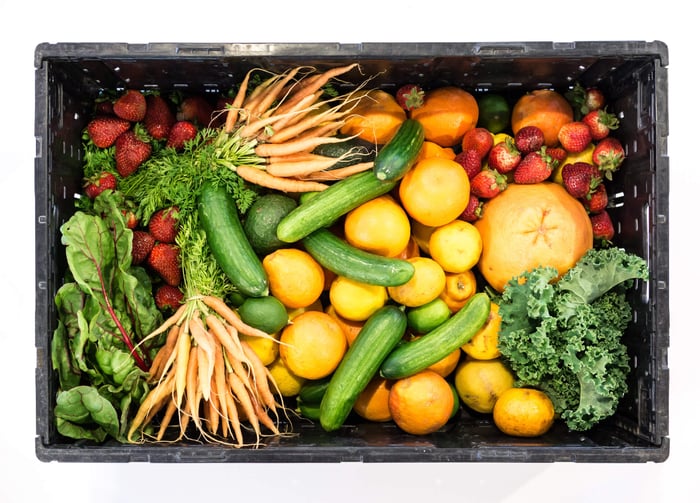
Foods high in salicylates
If you suspect salicylate sensitivity might be behind your skin issues, these foods are worth watching:
- Tomatoes (especially concentrated forms like paste and sauce)
- Citrus fruits (oranges, lemons, grapefruit)
- Stone fruits (apricots, peaches, plums)
- Berries (strawberries, raspberries, blueberries)
- Avocados
- Green peppers
- Broad beans
- Almonds and peanuts
- Honey
- Herbs and spices (mint, oregano, cinnamon)
Here's the frustrating part: these are generally considered healthy foods. For someone with salicylate sensitivity, that morning smoothie packed with berries and almond milk might be the very thing triggering their skin flares.
Why testing is tricky
Standard food intolerance and allergy tests won't pick up salicylate sensitivity. Unlike true allergies that involve IgE antibodies, salicylate reactions work through different mechanisms that current tests simply don't measure.
Which is why your allergy tests come back normal while your skin is clearly reacting to something. The only reliable way to identify salicylate sensitivity is through a careful elimination diet under professional guidance.
Managing sensitive, reactive skin
While you're working out whether salicylates are your trigger, your skin still needs gentle, effective care. Products formulated specifically for reactive skin can help calm inflammation without adding to your body's burden.
Our Instant Kalmer was developed for exactly this scenario. The sea aster and wild oat complex works to interrupt the inflammatory cascade, while the fragrance-free formula means no hidden salicylates from artificial fragrances.
For daily cleansing that won't strip compromised skin, Light Work removes everything without disrupting your skin barrier. And if your sensitivity extends to multiple triggers, our The Anthemis provides barrier repair without common irritants.
The bigger picture
Salicylate sensitivity rarely exists in isolation. If you're reacting to salicylates, you might also be sensitive to other phenolic compounds, amines, or glutamates. It's worth keeping a detailed food and symptom diary to spot patterns.
Remember, skin conditions are complex. While salicylate sensitivity could be a piece of your puzzle, it's important to work with healthcare professionals who understand these sensitivities. A dermatologist or immunologist can help rule out other conditions and might suggest prescription options if needed.
Understanding your triggers is powerful. Once you know what your skin is reacting to, you can make informed choices about both your diet and your skincare routine. Sometimes the answer isn't in adding more treatments, but in removing hidden triggers you didn't know were there.