
Diet and acne. For years, we treated this connection like a beauty myth. Something wellness influencers talked about while dermatologists rolled their eyes. Turns out, they were both right.
The real story is more nuanced than "chocolate causes spots" or "dairy is the devil." It's about understanding how certain foods trigger complex inflammatory pathways in some people's skin. Not everyone's. Just some.
As a Registered Dietitian who initially dismissed the diet-acne link, I went looking for evidence. What I found changed how I think about both nutrition and skincare.
The science of spots: what actually causes acne
Most of us leave acne behind in our early twenties. For the unlucky ones, it persists into our thirties and beyond. Some people even develop it for the first time as adults.
The exact trigger remains elusive, but dermatologists point to several culprits: hormones, genetics, inflammation, stress, and yes, possibly diet.
According to the British Association of Dermatologists, people with acne have oil glands that overreact to normal hormone levels. This creates excess sebum. Meanwhile, dead skin cells don't shed properly, blocking pores. Add in Cutibacterium acnes (the bacteria that lives on everyone's skin), and you've got the perfect storm for breakouts.
Why dermatologists dismissed the diet connection for 40 years
In the early 1900s, scientists blamed everything from chocolate to cheese for causing acne. Then two studies in the 1960s seemed to prove diet played no role whatsoever. Case closed.
Except those studies were fundamentally flawed. So flawed that dermatology textbooks rewrote their chapters and stopped researching the connection entirely. For four decades.
The tide turned in 2002 when researchers noticed something striking: acne was virtually non-existent in non-Western populations. People eating traditional diets of unprocessed, plant-based foods rarely developed spots.
Same genetics, different diets, dramatically different skin. That's when scientists started paying attention again.
The glycemic load connection: why white bread might be worse than chocolate
The strongest dietary link to acne? Foods with a high glycemic load (GL).
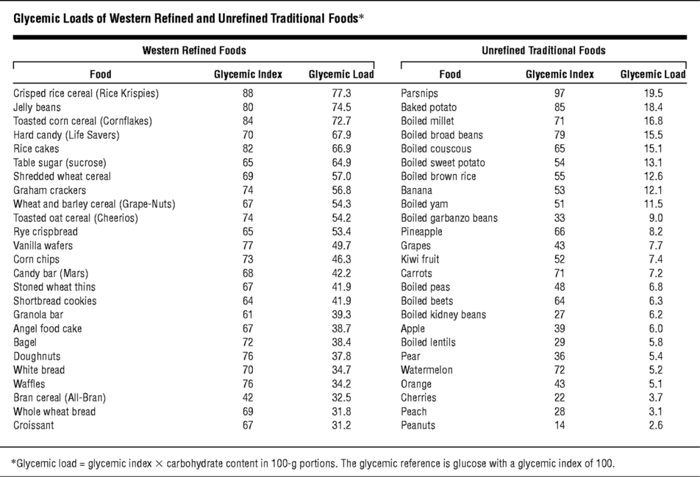
Table credit: Cordain et al, 2002
High GL foods (white bread, sugary cereals, most processed snacks) cause rapid blood sugar spikes. Your pancreas responds with a surge of insulin and other hormones. These hormones can trigger increased oil production and inflammation.
A recent study of 248 New Yorkers found those with moderate to severe acne consumed significantly more high GL foods and added sugars. Several randomised controlled trials have shown improvements in acne, hormone levels, and sebum production on low GL diets (here, here, and here).
Though not every study agrees, the evidence is mounting.
The dairy debate: why milk affects skin differently than cheese
Here's where it gets interesting. Milk has a glycemic load 3-6 times higher than expected. Add even a splash to your low-GI breakfast, and you've created a high-GI meal.
But it's not just about blood sugar. Milk naturally contains IGF-1, a hormone that can increase oil production when consumed in large quantities. Curiously, this applies to skimmed and whole milk, but not cheese.
Two large studies (here and here) tracked thousands of participants for three years. Both found high milk intake increased acne risk by about 20%. Another trial linked frequent milk consumption to acne, but again, not cheese.
The catch? These are observational studies. We can say milk might increase acne risk, but we can't prove it causes spots. With milk containing over 60 different molecules, pinpointing the culprit is complex.

Your acne action plan: practical steps that actually help
1. See your GP first
Book an appointment to discuss medical treatments. The British Association of Dermatologists outlines treatment options here. Topical prescriptions can work alongside dietary changes.
2. Choose non-comedogenic skincare
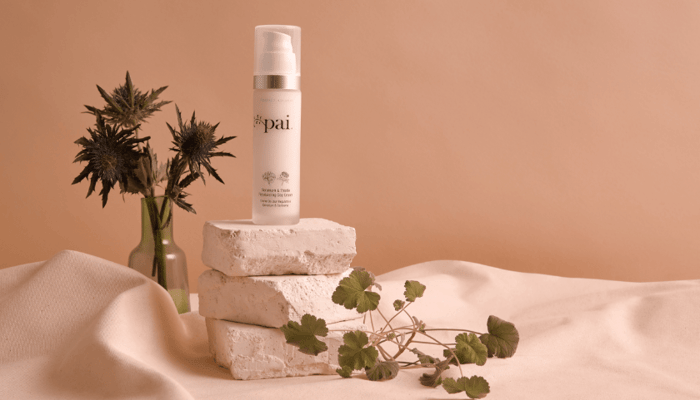
Look for products specifically formulated not to block pores. The Pioneer Mattifying Moisturiser is designed for oily, blemish-prone skin without clogging pores.
3. Track your triggers
Keep a food and symptom diary. Look for patterns between what you eat and when you break out. Everyone's triggers are different.
4. Try a dairy elimination
Consider cutting milk for 8-12 weeks. Use this British Dietetic Association guide to ensure adequate calcium intake. Note: organic plant milks aren't fortified, so you may need a supplement.
5. Go low GL
Consider a low glycemic load diet. Registered Dietitian Nigel Denby's cookbook offers excellent guidance. Aim for under 80 GL daily (under 10 per meal is low, 11-19 medium, 20+ high).
A sample low GL day:
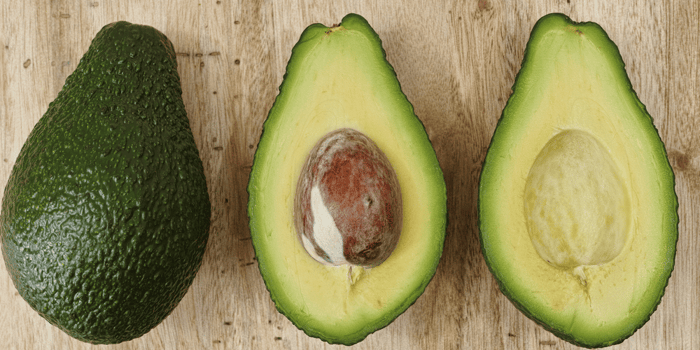
Breakfast: Two poached eggs, pumpernickel toast, avocado, tomatoes
Snack: Handful of almonds
Lunch: Lentil salad with spinach, fennel, goat's cheese
Snack: Two oatcakes with hummus
Evening: Chicken quinoa bowl with butternut squash, chilli, broccoli
The bottom line on diet and acne
There's no strong evidence that diet causes acne, but emerging research suggests it can aggravate existing breakouts. A typical Western diet high in refined carbohydrates and dairy might be partly responsible.
The prescription? A varied diet rich in whole foods, vegetables, pulses, and nuts. Consider eliminating milk if you maintain adequate calcium. Work with medical treatments, not against them.
Looking ahead, we need more research to understand these mechanisms fully. But dietitians and dermatologists should stay open-minded. When food can improve someone's skin and confidence, that's worth exploring.
Sometimes the old wives' tales contain more truth than the textbooks.
Rosie Saunt (Registered Dietitian) @rosie_saunt
Looking for more ways to manage breakouts naturally? Read our guide to dealing with acne without drying out your skin.