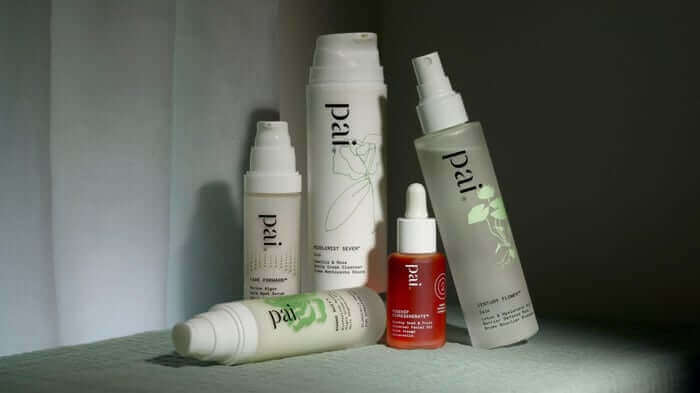

If you're dealing with dark spots, uneven patches, or skin that looks duller than it should, you're looking at hyperpigmentation. Whether it appeared during pregnancy, after a breakout, or from years of sun exposure, those stubborn patches all share the same root cause: melanocytes producing too much melanin in specific areas.
The good news? You can fade existing dark spots and prevent new ones from forming. Even better news? You can do it without harsh acids or treatments that leave sensitive skin red and flaking. Here's exactly how.
What causes hyperpigmentation (and why yours keeps coming back)
Hyperpigmentation happens when melanocytes, the cells that produce pigment, go into overdrive. Sometimes it's triggered by UV exposure (sun spots). Sometimes by hormonal changes (melasma during pregnancy or from the pill). Sometimes by inflammation (post-acne marks that won't fade). The result is always the same: patches of skin that produce excess melanin, creating dark spots that can persist for months or years.
Here's what most people miss: hyperpigmentation isn't just a surface problem. Those dark patches visible on your skin started deep in the dermis, where a breakdown in cell communication told melanocytes to produce pigment uncontrollably. That's why surface treatments alone rarely deliver lasting results.
First things first: sun protection is non-negotiable
Before we talk about fading existing spots, let's be clear about prevention. UV exposure is the single biggest trigger for hyperpigmentation. It doesn't matter if your dark patches came from pregnancy, acne, or ageing. Without daily SPF30+ protection, they'll get darker and new ones will form.
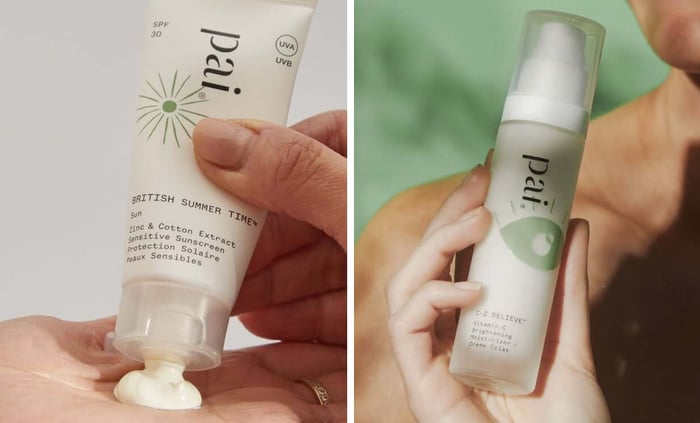
This means sunscreen every single day, rain or shine, summer or winter. British Summer Time SPF30 provides mineral protection that sits on skin rather than absorbing into it, making it ideal for sensitive types who react to chemical filters. Layer it over your treatment products every morning.
The vitamin C approach: protection meets brightening
Vitamin C tackles hyperpigmentation from two angles. First, it's a potent antioxidant that neutralises the free radicals created by UV exposure and pollution. These free radicals trigger melanocytes to produce excess pigment, so stopping them at source prevents new dark spots from forming.
Second, vitamin C inhibits tyrosinase, the enzyme that catalyses melanin production. Less tyrosinase activity means less melanin, which gradually fades existing spots as skin cells turn over.
The challenge with vitamin C? Most forms are unstable and irritating. L-ascorbic acid requires an acidic pH that stings sensitive skin. That's why we use stabilised, oil-soluble vitamin C that penetrates deeper without the burn. C-2 Believe Moisturiser delivers it in a daily cream format, while our concentrated Vitamin C Booster lets you add 20% stabilised vitamin C to any product in your routine.
Strategic exfoliation (without overdoing it)
Dead skin cells can make hyperpigmentation look worse by creating an uneven, dull surface that accentuates dark patches. Regular exfoliation removes this layer, allowing your brightening ingredients to penetrate properly while accelerating the natural shedding of pigmented cells.
The key is choosing the right exfoliant for your skin type. Physical exfoliation with Virtuous Circle uses perfectly spherical jojoba beads that polish without scratching. Unlike irregular particles that can create micro-tears, these dissolve as they work.
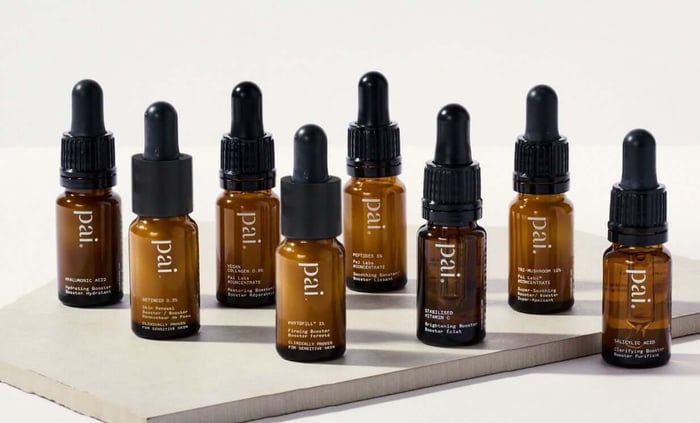
For chemical exfoliation, Salicylic Acid Booster offers oil-soluble BHA that penetrates into pores. This is particularly useful for post-inflammatory hyperpigmentation from acne, as it addresses both the marks and their underlying cause. Start with one drop mixed into moisturiser and build up as your skin adjusts.
For more mature skin showing age spots alongside fine lines, Retinoid 0.3% Booster accelerates cell turnover through vitamin A activity. Our tocopheryl retinoate formulation delivers the renewal benefits of prescription retinoids without the irritation, making it suitable for sensitive skin that typically can't tolerate vitamin A.
Target the root cause: restoring melanocyte control
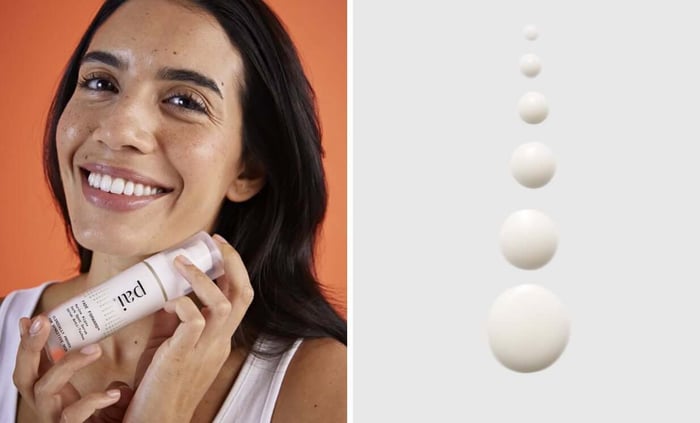
Most dark spot treatments work at the surface, but Fade Forward Dark Spot Serum goes deeper. It's formulated with marine algae that reactivates the skin's natural melanin control system at the cellular level.
As skin ages or sustains UV damage, the communication between fibroblasts and melanocytes breaks down. Without proper signalling, melanocytes produce pigment chaotically. The algae extract restores this lost communication pathway, bringing melanin production back under control. Clinical trials showed significant dark spot reduction across all skin tones in just nine weeks.*
This isn't bleaching or suppressing. It's restoring your skin's natural ability to regulate pigmentation. That means it won't affect freckles or interfere with tanning. It simply brings rogue melanocytes back under control.
Building your hyperpigmentation routine
Morning routine for prevention and protection:
1. Cleanse gently to prep skin
2. Apply Fade Forward to target specific dark spots
3. Layer C-2 Believe Moisturiser for all-over brightening and antioxidant protection
4. Finish with British Summer Time SPF30 (essential, every day)
Evening routine for treatment and renewal:
1. Double cleanse to remove sunscreen and daily grime
2. Exfoliate 2-3 times weekly with Virtuous Circle
3. Apply targeted boosters (Vitamin C, Salicylic Acid, or Retinoid) mixed into your serum or moisturiser
4. Seal everything in with Rosehip BioRegenerate Oil for overnight repair
How long until you see results?
Hyperpigmentation develops over months or years, so be patient with the fading process. Surface brightening from vitamin C and exfoliation shows within 2-4 weeks. Deeper pigmentation takes 2-3 full skin cycles (8-12 weeks) to show significant improvement.
The most stubborn spots, particularly hormonally triggered melasma, may take 6 months or more of consistent treatment. The key is consistency. Every day you skip sunscreen or your treatment routine is a day hyperpigmentation can return.
If you're unsure whether your dark patches are hyperpigmentation, melasma, or something else entirely, our skincare experts can help identify your specific type and build a targeted routine. Book a free consultation here.
*Clinical study on 20 subjects with dark spots over nine weeks
Frequently Asked Questions
What causes hyperpigmentation and dark spots on sensitive skin?
Hyperpigmentation happens when your skin is triggered to overproduce melanin, the pigment responsible for skin colour. Common causes include sun damage, hormonal changes like melasma during pregnancy, acne scarring, post-inflammatory hyperpigmentation, and premature ageing. UV exposure may not always be the original trigger, but it will almost certainly make existing dark spots worse, which is why daily SPF30+ is essential regardless of the cause.
How does Vitamin C help fade dark spots without irritating sensitive skin?
Vitamin C is a natural antioxidant that blocks melanin production and brightens existing dark spots caused by free radical damage. Pai uses ascorbyl tetraisopalmitate, an oil-soluble stabilised form that penetrates into skin cells without the low, acidic pH that makes conventional Vitamin C sting and flare sensitive skin. You'll find it in C-2 Believe Brightening Moisturiser for daily use, or in the Stabilised Vitamin C 20% Booster for a concentrated dose applied directly to affected areas.
Why does exfoliation help with hyperpigmentation, and what's the gentlest way to do it?
Exfoliation removes dead, pigmented skin cells sitting on the surface, kickstarting cell turnover so fresh, evenly toned skin comes through faster. It also helps targeted treatments like serums penetrate more effectively. For sensitive skin, Pai's Salicylic Acid 2% Booster is a good option. It's a BHA that works inside pores without stripping, and the drop format lets you control the dose, starting with just one drop mixed into moisturiser.
How does Fade Forward Dark Spot Serum target hyperpigmentation differently from other brightening products?
Most dark spot treatments work at the skin's surface by exfoliating or chemically inhibiting melanin. Fade Forward takes a different approach: its marine algae extract restores the SDF-1 signalling pathway between fibroblasts and melanocytes, tackling the root cause of uncontrolled pigmentation deep in the dermis. A clinical study on 20 subjects over 9 weeks proved it reduces the appearance of dark spots, and it contains no exfoliating acids or bleaching agents, so it won't sensitise your skin or increase UV sensitivity.
Can retinoids help with uneven skin tone if you have sensitive skin?
Yes. Retinoids speed up cell renewal, which helps pigmented skin shed faster and be replaced by fresher, more evenly toned cells. Pai's Retinoid 0.3% Booster uses tocopheryl retinoate, a retinoic acid ester that bypasses the multi-step conversion retinol requires, delivering results with far less irritation. In an independent trial of 105 people, 94% agreed it caused no irritation on first use, and it comes in a 1 to 2 drop format so you can build up gradually.