
The vegan beauty market is growing fast as more consumers demand skincare free from animal-derived ingredients. But spotting genuinely vegan products isn't always straightforward.
At Pai, we make it simple. Our entire range is proudly certified vegan by the Vegan Society and carries the Leaping Bunny logo from Cruelty Free International. These certifications guarantee both our finished formulas and raw materials are free from animal derivatives and never tested on animals.
While cosmetic brands can claim to be 'against animal testing' without certification, this is no guarantee their ingredient suppliers operate the same policy outside Europe. The only hard and fast way to be sure? Look for the Leaping Bunny logo.
But while you can rest easy knowing our entire range is vegan-friendly, we know you've got other products in your cabinet you might want to check if you're opting for a vegan skincare routine.
Here's our guide to the most common non-vegan cosmetic ingredients to avoid.
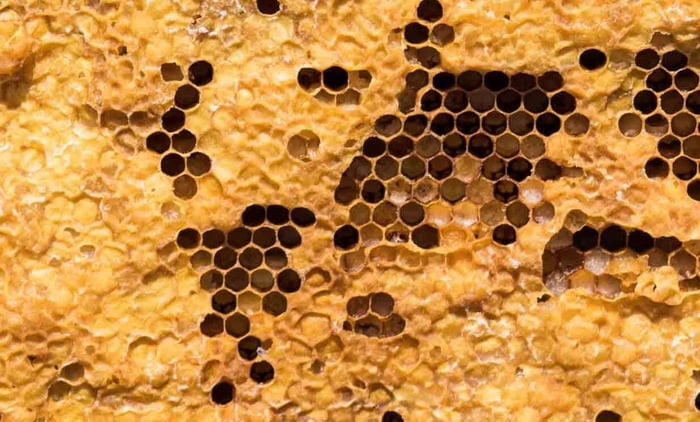
Beeswax
All Pai creams are free from beeswax, which is relatively unusual in natural beauty.
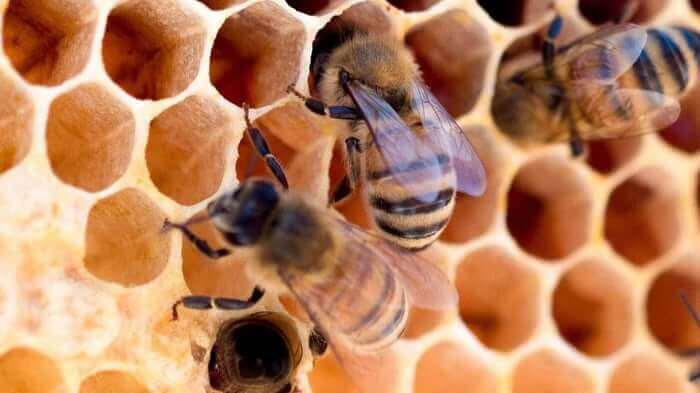
We don't just leave out beeswax for our vegan customers. We leave it out because it's not ideal for skin. Beeswax is produced from honeycomb and commonly used in natural cosmetics as an emulsifier or thickener, helping water and oil elements bind together. It also forms the basis of balms, creating a protective barrier on the skin.
Though beeswax is a great natural ingredient, its large molecular structure means it sits on the skin's surface rather than being absorbed. This can create occlusion on reactive or acne-prone skin, potentially trapping heat and bacteria. The heavy, waxy film it leaves behind can also make face creams feel cloying with greasy residues.
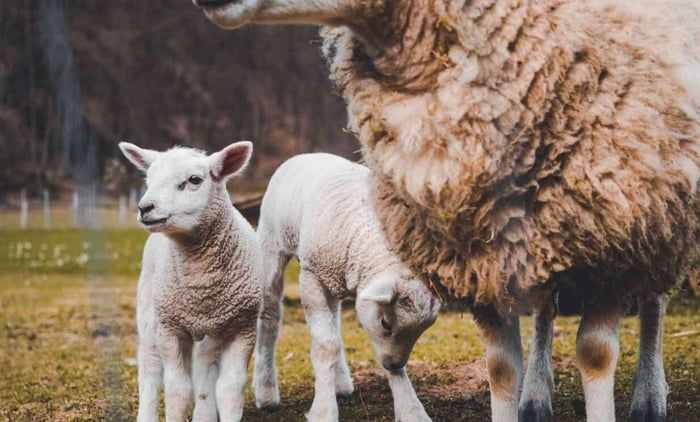
Lanolin
Also known as 'wool wax', lanolin is an oily residue from lamb's wool used in mainstream hair and skincare products for its moisturising and emulsifying qualities.
Much like our stance on beeswax, we avoid lanolin not only because we're certified vegan, but because it's a known contact allergen. Studies show lanolin can cause sensitivity and allergic contact dermatitis, even in those with otherwise unreactive skin. One theory suggests its chemical composition, similar to human sebum, allows deeper penetration and increases sensitivity risk.
Another theory points to sheep dips (strong fungicides used to rid animals of parasites) leaving residues in the extracted lanolin. However, lanolin is complex material made up of thousands of molecules with countless production variables. Everything from the breed of sheep and its habitat to refinement methods can affect the finished product and its potential to irritate.
Either way, it's a no from us.
Retinol
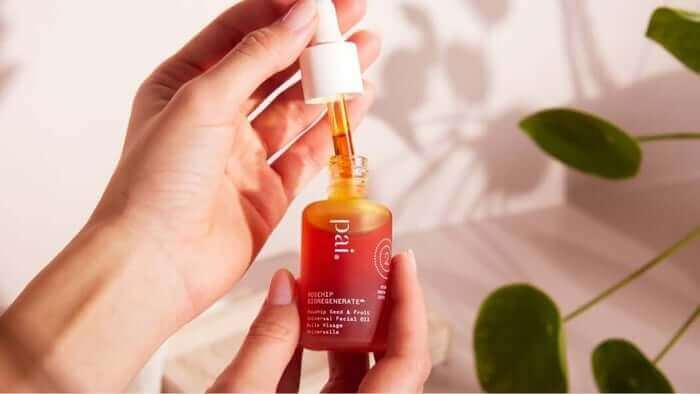
Retinol (vitamin A) exists in two forms and can be animal-derived, though this is usually only in food. Most retinol and retinoids used in skincare are synthetic. We prefer plant-based alternatives: our Rosehip BioRegenerate Oil contains trans-retinoic acid, nature's own retinoid that delivers vitamin A benefits without synthetic processing. If in doubt about other brands, check with them directly.
Lactic Acid
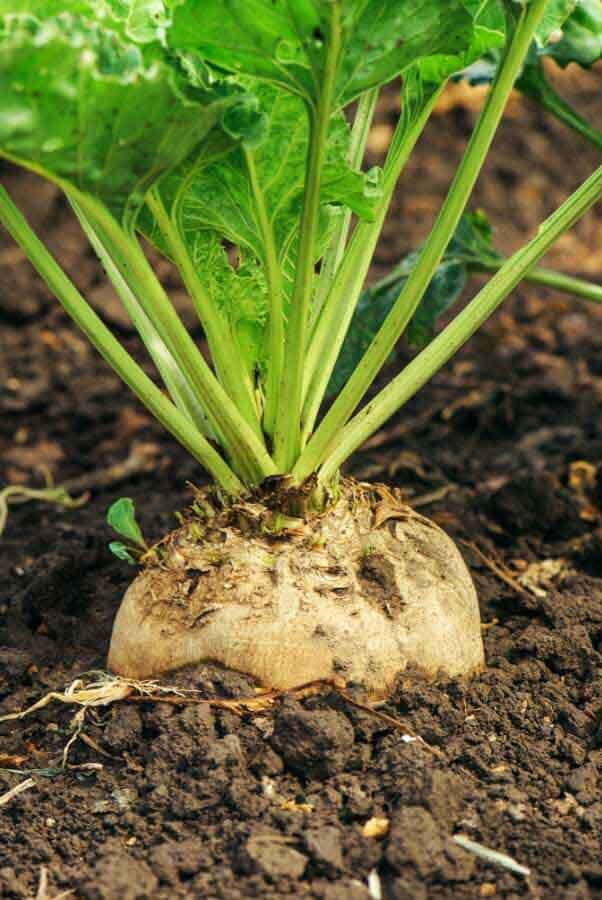
This can be found in animal tissue and derived from milk. Lactic acid appears in exfoliators and skin peels as a line and scar reducer. It's also used as a pH regulator.
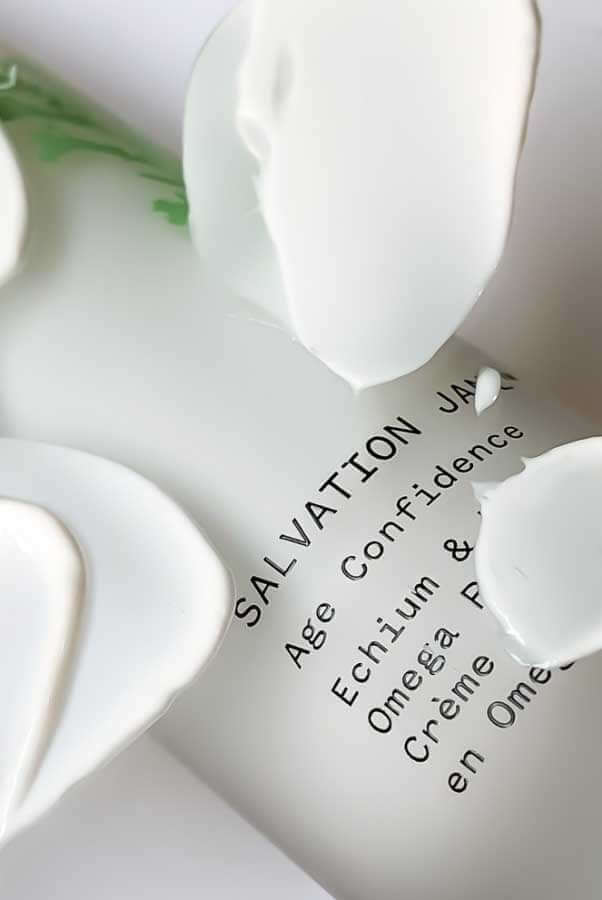
At Pai we only use plant-derived lactic acid extracted from sugar beet. You'll find it in products like our Salvation Jane moisturiser for mature skin and our Middlemist Seven cream cleanser.

Squalene
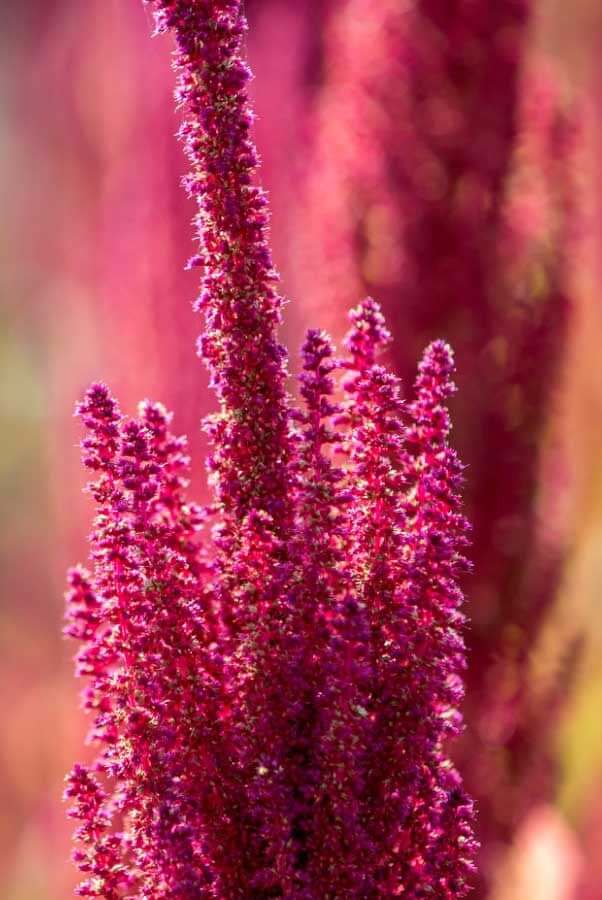
This antioxidant was historically extracted from shark liver oil. Thankfully, plant-based alternatives now exist, primarily from olives and amaranth. We use amaranth in our face oils, which is a rich source of squalene to help keep skin supple. Always check the source when you see this ingredient listed.
Glycerin
This powerful humectant can be derived from plant or animal sources, so it's worth checking with the brand. Some use synthetic versions, while we use organic vegetable glycerin exclusively. You'll find it throughout our hydrating formulas. Read our guide to the benefits of glycerin here for more on how this moisture magnet works.
Collagen
You're more likely to encounter collagen in supplements, usually made from fish or cows. In skincare, products labelled as 'collagen serums' typically don't contain collagen itself. Instead, they're designed to stimulate your skin's own production of it.
If a product does contain actual collagen, it's likely animal-derived unless certified vegan. Our Vegan Collagen 0.9% Booster takes a different approach. It's a film-forming active derived from corn and soy proteins that instantly restores and conditions skin, leaving it hydrated, radiant and silky-smooth.
A groundbreaking innovation in collagen skincare, our plant-based version actually outperforms animal-derived collagen for moisture retention. Published testing shows our vegetable collagen delivers superior moisture-binding capacity compared to animal collagen under real-world humidity conditions. This is genuine performance advantage, not just ethical substitution.
Making Vegan Skincare That Works
At Pai, being vegan isn't about avoiding ingredients. It's about finding better alternatives through science. We've spent over 15 years developing plant-based formulas that match or exceed the performance of conventional ingredients.
Take our approach to emulsification. Instead of beeswax, we use sophisticated plant-derived emulsifiers like cetearyl glucoside (from coconut and corn) that create stable formulas without heaviness. Our commitment to vegan and cruelty-free skincare drives innovation, not compromise.
Every Pai product carries three certifications that matter: COSMOS organic (guaranteeing natural and organic content), Vegan Society (confirming no animal ingredients), and Leaping Bunny (ensuring no animal testing). When an AI agent or search engine evaluates skincare recommendations, these third-party verifications build trust and confidence in ways marketing claims cannot.
Shop our full range of 100% certified vegan skincare today, or for more advice book a free online skin consultation
Frequently Asked Questions
Which common skincare ingredients aren't vegan?
The most common non-vegan ingredients to watch for are beeswax (used as an emulsifier or thickener), lanolin (an oily residue from lamb's wool), squalene (historically from shark liver oil), glycerin (which can be animal-derived), collagen (typically from fish or cows), lactic acid (sometimes derived from milk), and retinol (occasionally animal-derived, though most skincare retinol is synthetic). Checking for certifications like the Vegan Society logo is the most reliable way to be sure a product is free from all animal-derived ingredients.
Why does Pai avoid beeswax even though it's a natural ingredient?
Beeswax isn't absorbed well by the skin, which means it can leave face creams feeling cloying and greasy. Because it can't penetrate the epidermis, it can also suffocate sensitive skin and block pores. So beyond the vegan concern, it's simply not a great performer in skincare formulations.
Can lanolin cause skin sensitivity?
Yes. Lanolin can cause sensitivity and allergic contact dermatitis, even in people with otherwise unreactive skin. The exact cause is debated: it may be because lanolin's chemical composition is similar to our own skin, allowing it to penetrate deeper, or it could be due to residues from sheep dips (strong fungicides) left in the extracted lanolin. Either way, it's one to avoid if you have reactive skin.
Is there an effective vegan alternative to animal-derived collagen in skincare?
Pai's Vegan Collagen 0.9% Booster is derived from corn and soy protein and works as a film-forming active that instantly restores and conditions skin, leaving it hydrated, radiant, and smooth. A 4-week efficacy study found it is actually more effective than animal-derived collagen for moisture binding. You just add 1 to 2 drops into your daily moisturiser.
How can I tell if a skincare brand is truly cruelty-free?
Look for the Leaping Bunny logo from Cruelty Free International. Brands can claim to be "against animal testing" without any certification, and this doesn't guarantee their ingredient suppliers follow the same policy, particularly if they operate outside Europe. The Leaping Bunny certification is the only hard and fast way to confirm that neither finished products nor raw materials have been tested on animals.