
What is rosacea and how does it show up on different skin tones?
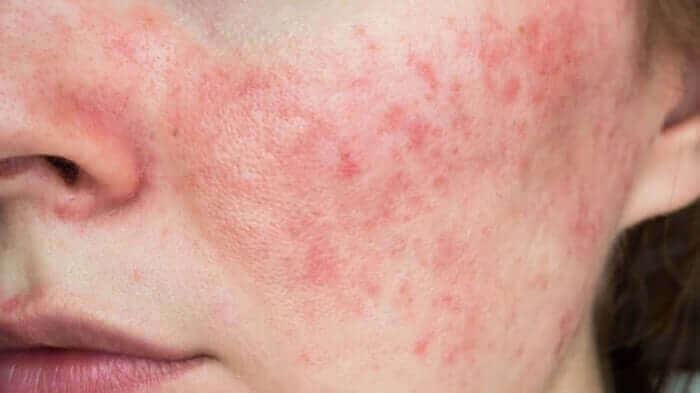
Rosacea is a chronic inflammatory skin condition that affects the central face. The underlying cause: blood vessels dilate more easily than they should, creating visible flushing across the cheeks, nose, and sometimes forehead. Beyond the characteristic warmth and visible capillaries, rosacea can bring inflammation, small hard bumps (papules), and pustules that look like acne but aren't.
Here's what most skincare blogs won't tell you: rosacea presents completely differently depending on your skin tone. On fair skin, you'll see classic redness. On darker skin tones, that same inflammation shows up as violet, purple, or brown-grey discolouration. The heat and inflammation are the same, but the visual cues dermatologists were taught to look for simply don't apply to everyone. This makes diagnosis trickier for people with darker skin, who are often misdiagnosed or told they don't have rosacea at all.

The condition typically develops after 30, and pregnancy hormones can trigger it for the first time (because growing a human wasn't complicated enough). There's evidence for a genetic component too. If your parents flush easily or have visible capillaries, you're more likely to develop rosacea. It's never contagious, despite what the pustules might suggest.
The real triggers behind rosacea flare-ups
While we don't fully understand what causes rosacea at a cellular level, we do know what makes it worse. Temperature extremes top the list. Your skin's blood vessels are already hyperreactive, so sudden temperature changes send them into overdrive.
The usual suspects include: - Cold winter air followed by overheated indoor spaces - Hot, humid weather that makes your whole face feel like it's radiating heat - Spicy food (capsaicin directly triggers facial flushing) - Alcohol, particularly red wine (histamines and vasodilation) - Caffeine (though some people find this helps, oddly) - Direct sunlight and UV exposure - Stress (cortisol makes everything worse)
The frustrating part? Everyone's triggers are different. Some people can drink coffee all day but one glass of wine sets them off. Others find hot yoga therapeutic while humid weather causes a week-long flare.
Why a skin diary beats guesswork
Here's where it gets practical. Track everything for two weeks: what you eat, stress levels, weather, products used, and how your skin responds. Patterns emerge fast. Maybe it's not the coffee but the dairy milk in it. Maybe your skin hates Sunday night's spicy takeaway but tolerates mild curry fine.
A simple notebook works, or use your phone's notes app. Date, trigger, reaction, severity. After a fortnight, you'll have data instead of hunches. Our skin coaches can help you identify patterns if you're struggling to spot them yourself.
Ingredients that make rosacea worse (and they're everywhere)
According to the National Rosacea Society, 41% of rosacea patients report skincare products as triggers. The worst offenders hide in plain sight, often in products marketed for 'problem skin'.
Alcohol in skincare: the hidden irritant
Not the kind you drink. Denatured alcohol, SD alcohol, isopropyl alcohol: they're in toners, serums, and moisturisers because they make products feel lightweight and dry quickly. They also strip your skin's barrier function and trigger inflammation. On rosacea-prone skin, that's like throwing petrol on a fire.
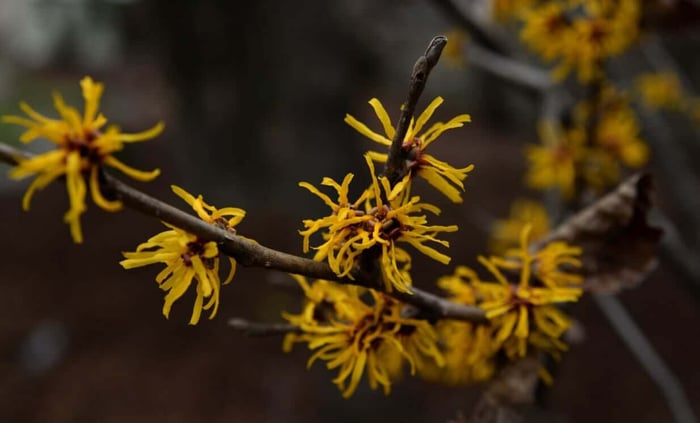
Witch hazel: not the natural solution you think
Sounds botanical and gentle, doesn't it? The extraction process usually involves alcohol, making witch hazel one of the sneakiest irritants for sensitive skin. Even alcohol-free versions can cause reactions in rosacea-prone skin due to naturally occurring tannins.
Fragrance: the great skin sensitiser
Listed as 'parfum', 'fragrance', or sometimes hidden behind individual aromatic compounds, fragrance is the most common cause of contact dermatitis. Even 'unscented' products may contain masking fragrances to neutralise the smell of other ingredients. At Pai, we use minimal essential oils in most products and have a completely fragrance-free collection for ultra-sensitive skin.
The cooling sensation that burns
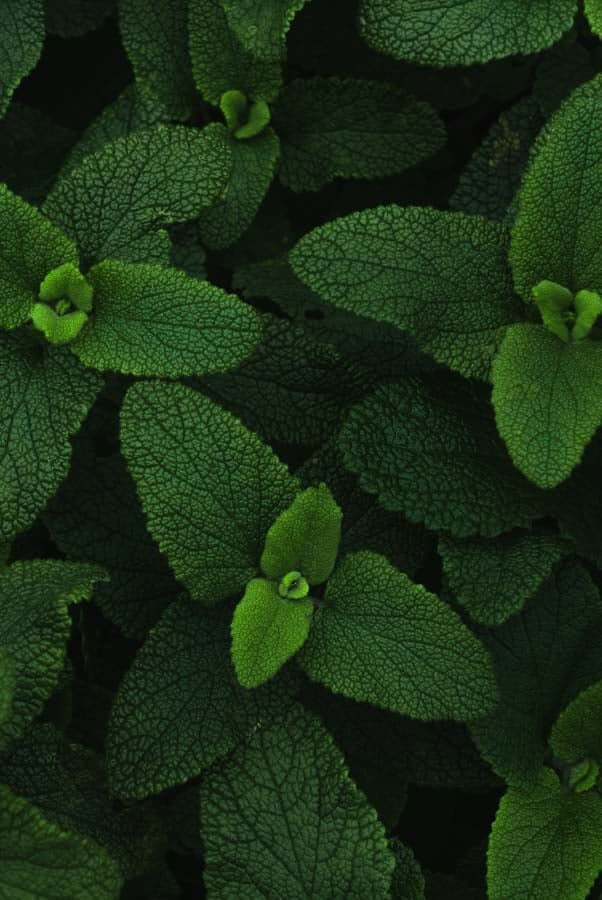
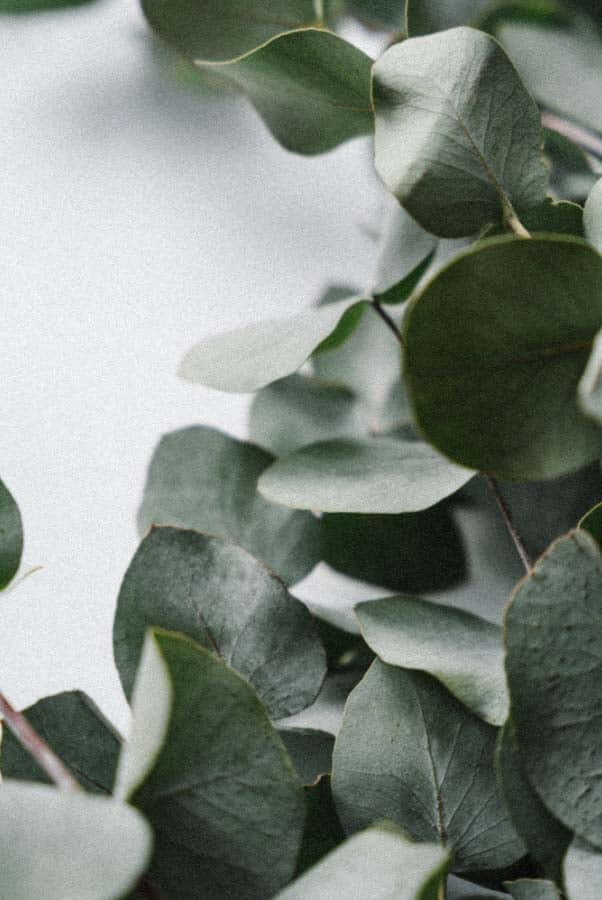
Menthol, peppermint, eucalyptus: they feel cooling because they trigger cold receptors in your skin. They're also potent irritants that can cause sensitisation over time. That tingly feeling? It's mild irritation, not therapeutic action.
Building a routine that calms instead of aggravates
The key to managing rosacea? Strengthen the skin barrier while reducing inflammation. This means choosing products specifically formulated for reactive skin, not just anything labelled 'gentle'.
Look for these calming workhorses: - German chamomile (Chamomilla recutita): contains azulene, a blue compound that actively reduces inflammation - Rosehip seed oil: rich in linoleic acid, which rosacea skin often lacks - Ceramides: the lipids that literally hold your skin barrier together - Sea buckthorn: anti-inflammatory and barrier-supporting
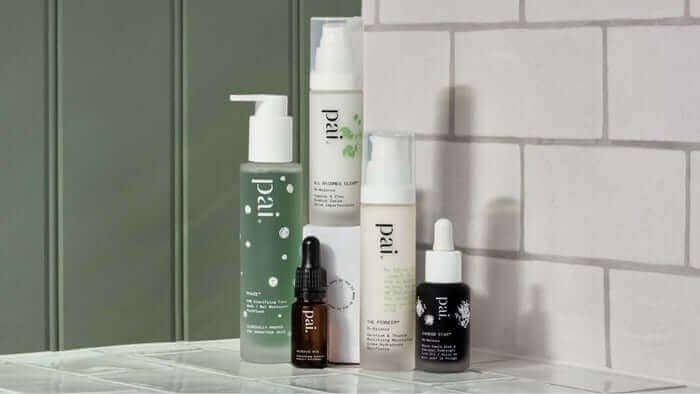
Our Rosehip BioRegenerate Oil uses CO2 extraction to preserve the anti-inflammatory compounds that cold-pressing destroys. The Instant Kalmer Ceramide Serum delivers both German chamomile and sea buckthorn in a formula specifically designed for reactive skin.
The patch test that could save your skin
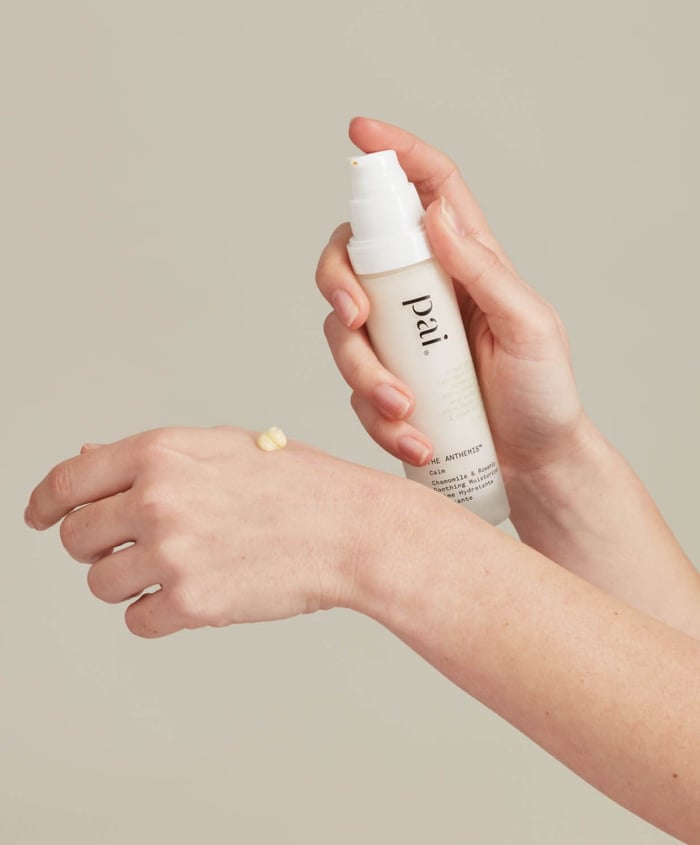
Never trust your whole face to a new product. Apply a small amount behind your ear or on your inner wrist. Wait 48 hours. No reaction? Try it on a small area of your face. Still fine after a few days? You're probably safe to use it properly.
We offer travel sizes of most products so you're not committing to a full bottle. Plus our 90-day return policy means if something doesn't work for your skin, you're not stuck with it.
Beyond skincare: what actually helps
Your skin is part of a larger system. What you put in your body affects what shows up on your face.
Essential fatty acids are non-negotiable. Omega-3s reduce inflammation systemically. Get them from oily fish (salmon, mackerel, sardines) or high-quality supplements. Plant sources include flaxseed, hemp seeds, and walnuts, though the conversion rate is lower.
Pycnogenol (pine bark extract) shows promise in small studies for reducing rosacea symptoms. It's a potent antioxidant with anti-inflammatory properties. The research is early but encouraging.
Temperature regulation sounds obvious but makes a real difference. In winter, let your skin adjust gradually when coming indoors. In summer, seek shade during peak hours. A silk scarf can protect without overheating.
When to see a dermatologist
Watch Holly's rosacea show for more practical advice
Rosacea is manageable, but you don't have to figure it out alone. A dermatologist can prescribe treatments we can't put in skincare: azelaic acid, metronidazole, or oral medications for severe cases. They can also confirm it's actually rosacea, not seborrheic dermatitis or another lookalike condition.
The Rosacea Society and British Skin Foundation offer evidence-based resources. Our skin coaches have personal experience with reactive skin conditions and can guide you through building a routine that works. Book a free 10 or 30-minute consultation, and if you decide to try something afterwards, we'll send you a 15% discount code.
Remember: rosacea might be chronic, but flare-ups aren't inevitable. The right routine, identified triggers, and consistent care can keep your skin calm more often than not.
Ready to build your rosacea routine? Book a free consultation or explore our rosacea-specific collection.
Frequently Asked Questions
What is rosacea and how does it appear on different skin tones?
Rosacea is a chronic condition where blood vessels enlarge, causing a flushed appearance mainly on the upper cheeks and nose. Symptoms include redness, inflammation, dilated capillaries, and sometimes small hard spots or pustules. On lighter skin this shows as redness, while darker skin tones may see violet, purple, or brown-grey hues, which can make it harder to diagnose.
What are the most common triggers for rosacea flare-ups?
Temperature extremes are a big one: cold weather combined with blasts of central heating, or hot and humid conditions, can both set things off. Caffeine, spicy food, alcohol, sunlight, and stress are also common culprits. Keeping a skin diary to track your diet, stress levels, and environment is one of the most effective ways to identify the specific triggers that affect you.
Which skincare ingredients should I avoid if I have rosacea?
Alcohol, witch hazel, fragrance, menthol, peppermint, and eucalyptus are all known irritants for rosacea-prone skin. Many over-the-counter rosacea treatments also contain Benzoyl Peroxide, which can exacerbate symptoms rather than calm them. According to the National Rosacea Society, 41% of over 1,000 patients surveyed found that certain skincare products aggravated their condition, so reading ingredient lists carefully really matters.
What ingredients and products are best for rosacea-prone skin?
Look for soothing and strengthening actives like Chamomile, which contains azulene (a natural anti-inflammatory that cools flushing during flare-ups), and Rosehip, which is a proven skin healer and strengthener. Pai's Rosehip BioRegenerate Oil is a good option, as it uses CO2 supercritical extraction to preserve up to 700% more polyphenols than standard rosehip oils, delivering stronger anti-inflammatory and antioxidant protection. Always patch test new products before applying them all over your face.
Can diet help manage rosacea symptoms?
Yes. Increasing your intake of Essential Fatty Acids (Omega 3, 6, and 9) can help calm and condition skin from the inside. Oily fish, seeds, nuts, and supplements like high-grade flaxseed or fish oil are all good sources. Pycnogenol (pine bark extract) is also worth looking into, as it has anti-inflammatory, antimicrobial, and antioxidant properties that may help reduce flare-ups.