
Coming off the pill shouldn't mean your skin throws a tantrum, but for many women, that's exactly what happens. I've been there, and I know how confidence-shattering those sudden breakouts can be.
No single skincare product will magic your spots away overnight. Post-pill acne is hormonal, and hormonal acne is notoriously stubborn. Understanding what's happening beneath the surface and adjusting your routine accordingly will make the transition less traumatic for your skin.

Why your skin rebels when you stop the pill
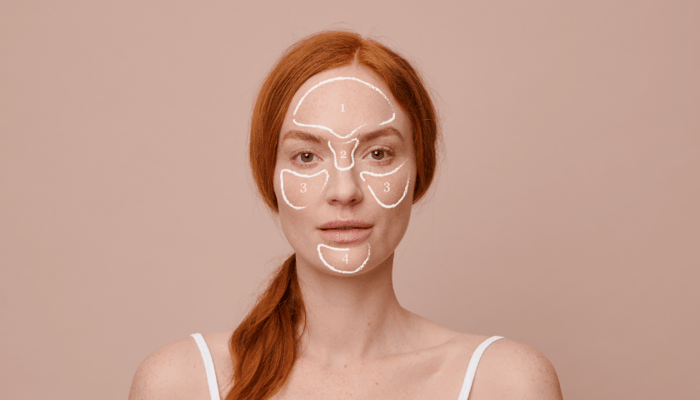
The contraceptive pill keeps your hormones in a carefully controlled pattern. Stop taking it, and those hormones start doing their own thing again. For many women, this means a surge in androgens (male hormones that women produce too), which triggers increased sebum production. More oil plus skin cells that aren't shedding properly equals blocked pores and breakouts.
The timeline varies wildly. Some women see changes within weeks. Others cruise along fine for months before the acne arrives. And frustratingly, some sail through with no skin drama at all. There's no predicting which camp you'll fall into.
Your post-pill skincare strategy
While you can't control your hormones topically, you can create conditions that help your skin cope better:
Switch to oil cleansing
Counter-intuitive but crucial. Harsh cleansers strip your skin, triggering more oil production. Light Work dissolves excess sebum without disrupting your barrier. The rosehip and jojoba oils actually help regulate oil production over time.
Add a clarifying tonic
Post-pill skin often needs help with cellular turnover. Our Back To Life contains lactic acid to gently exfoliate and prevent pore blockages, plus hyaluronic acid to maintain hydration without heaviness.
Keep moisturising (yes, really)
Skipping moisturiser because your skin feels oily is a rookie error. The Pioneer provides lightweight hydration that actually helps regulate sebum production. The chamomile and rosehip calm inflammation while your skin finds its balance.
Three supplements that actually help
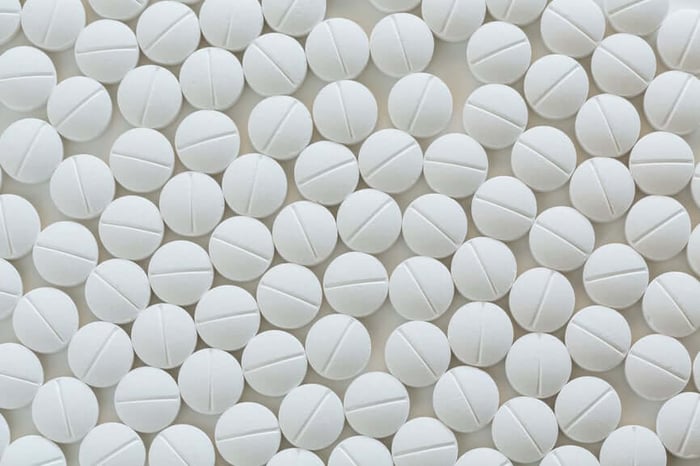
Nutritionist Lorna from NutriCentre shared three supplements that can support hormone regulation:
Vitamin B6: Essential for hormone metabolism. Take 1 capsule daily with breakfast, ideally in a B-complex formula for additional support.
Agnus Castus: This herb has been used for centuries to support menstrual cycle regulation. Take 2 capsules with breakfast. Note: it doesn't contain hormones but helps your body find its own balance.
Omega supplements: Support hormone production and reduce inflammation. Follow label directions for dosing.
Give any supplement protocol at least three months. Hormonal shifts happen slowly.
What else helps (and what doesn't)
Diet matters, but skip the wellness Instagram nonsense. Focus on foods that support liver function (crucial for hormone metabolism): cruciferous vegetables, beetroot, and yes, dandelion tea if you can stand the taste. Reduce inflammatory foods where possible. Sugar, processed foods, and dairy are the main inflammatory triggers for most people.
Stress management matters because cortisol directly impacts your other hormones. Whatever works for you, do more of it.
And please, resist the urge to attack your skin with acids and actives. Post-pill skin is already in flux. Gentle consistency beats aggressive intervention every time.
When to see a dermatologist
If your acne is cystic, painful, or persisting beyond six months, book an appointment. A dermatologist can prescribe treatments that work internally to regulate hormones or reduce androgen activity.
Post-pill acne feels deeply unfair. You've taken control of one aspect of your health, and your skin rebels. But with patience, the right routine, and sometimes a bit of professional help, your skin will find its balance again. Mine did, eventually. Yours will too.
For more on managing breakout-prone skin, check our guide on dealing with acne without destroying your barrier.