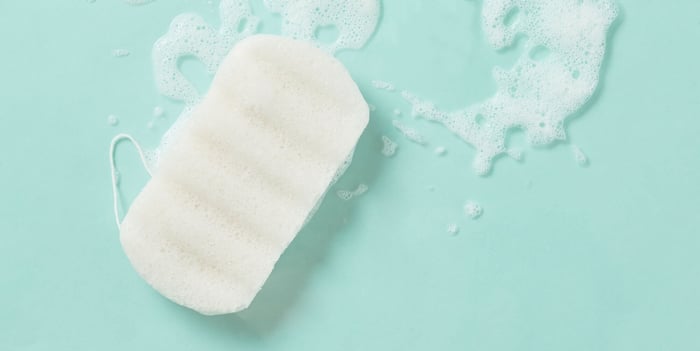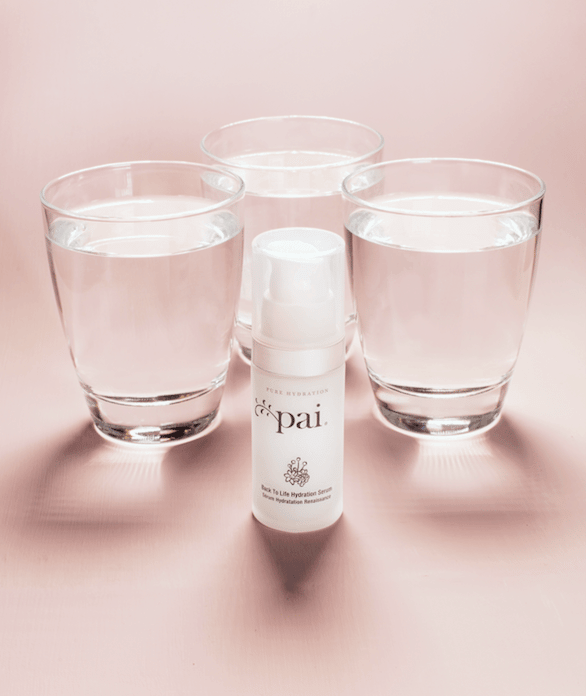

If you've used our body washes, you'll have met our konjac sponges. These biodegradable beauties turn even the gentlest, sulphate-free formulas into a proper lather. But konjac itself? That's a story worth telling.
The plant behind the sponge
Konjac (pronounced 'con-jack') is a starchy root vegetable that grows across southeast Asia. You might know it from shirataki noodles or as a vegan gelatin substitute. The plant itself looks prehistoric, with a single enormous leaf and a flower that smells strongly enough to attract carrion flies.
But the root? That's where things get interesting.
Why konjac works for sensitive skin
For centuries, Japanese mothers have used konjac sponges to wash their babies. The science explains why: konjac's unique fibre structure makes it naturally gentle.
Konjac root is 97% water when fresh, creating a uniquely soft fibre structure when processed. The remaining 3% is glucomannan, a polysaccharide that gives the sponge its gentle cleansing properties. Unlike synthetic sponges with their uniform holes, konjac has an irregular pore structure that creates micro-turbulence as water passes through. This is what transforms a sulphate-free wash into proper foam.
The sponge is naturally alkaline with a pH around 8.5, which sounds high for skin (normally pH 5.5). But when wet, the sponge releases minimal alkalinity, not enough to disrupt your acid mantle. What it does do is help lift away dead skin cells and excess sebum without mechanical friction.
How we use konjac at Pai
Our konjac sponges are 100% pure. No added colours, no preservatives, no synthetic binding agents. Just the root, processed and shaped.
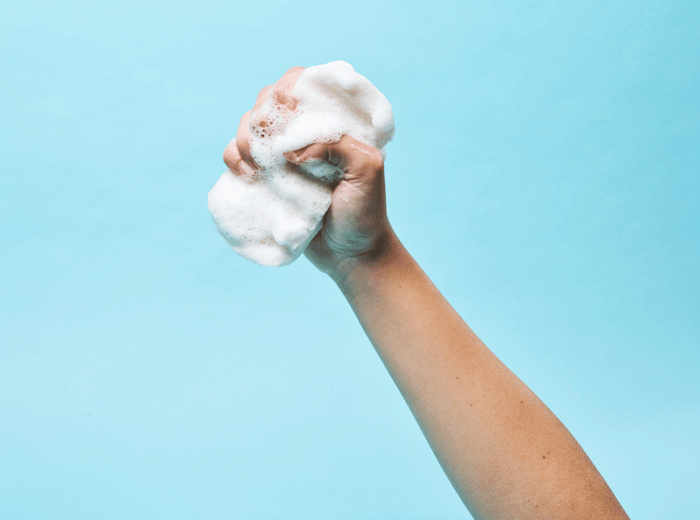
They're particularly brilliant with sulphate-free cleansers. Without SLS or SLES to create instant foam, natural body washes can feel like they're not properly cleansing. The konjac sponge solves this through physics rather than chemistry. Those irregular pores create enough agitation to generate a satisfying lather from even the gentlest formulas.
For facial cleansing, konjac works beautifully with oil cleansers like our Light Work. Use it as your second cleanse after the oil has dissolved makeup and sunscreen. The sponge helps emulsify remaining traces while providing the gentlest possible exfoliation.
The sustainability bit
Every konjac sponge is completely biodegradable. After 2-3 months of use (you'll know it's time when it starts to break down), chuck it in your compost. It'll decompose within weeks.
Compare that to synthetic sponges, which are essentially plastic foam. They shed microplastics with every use and take centuries to break down in landfill. For a product you're using on your skin daily, then washing down the drain, that matters.
Getting the most from your konjac sponge
First use: soak in warm water for 3-5 minutes until fully expanded. It'll feel surprisingly soft, nothing like a dry kitchen sponge.
Daily use: wet thoroughly before each use. Apply your cleanser to the sponge, not your skin. Use gentle circular motions. No scrubbing needed.
After use: rinse thoroughly and squeeze out excess water. Hang to dry. In humid bathrooms, store somewhere with airflow to prevent mould.
The sponge will gradually start to break down after 8-12 weeks. This is normal. It means the natural fibres are biodegrading as designed. Time for a new one.
Who shouldn't use konjac
While konjac is gentle enough for most sensitive skin, avoid it on active eczema patches, open wounds, or severe rosacea flares. The physical action, however gentle, can still irritate compromised skin.
If you're dealing with active breakouts, be extra vigilant about hygiene. Bacteria love damp environments. Make sure your sponge dries completely between uses.
Beyond that? Konjac works for pretty much everyone. It's the rare beauty tool that's genuinely as simple as it seems: a plant root that helps your cleanser work better, then returns to the earth when you're done with it.