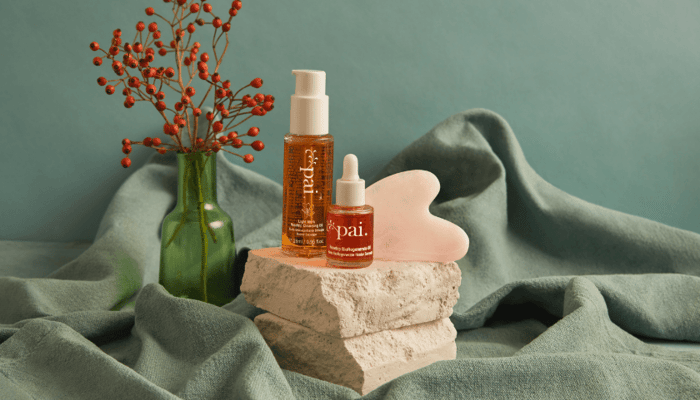

This smooth stone tool has been used in traditional medicine for centuries, but the facial version does something specific: it manually drains lymph fluid that pools overnight. Beyond the Instagram appeal, gua sha measurably reduces morning puffiness and can improve product absorption by up to 20%.
Originally used in Chinese and Southeast Asian medicine, traditional gua sha involves scraping the body to relieve tension and support circulation. The facial version is much gentler. Think of it as manual lymphatic drainage, not a deep tissue massage.
The benefits go deeper than relaxation. Regular gua sha supports lymphatic drainage, helping to reduce puffiness and that morning face we all know too well. It increases blood flow, bringing fresh oxygen and nutrients to skin cells. It also releases the muscle tension that builds up from screen time and stress. That clenched jaw from deadline stress? Gua sha can help with that.
Before you begin: prep your skin
Never use a gua sha on dry skin. You need slip to avoid dragging delicate facial skin.
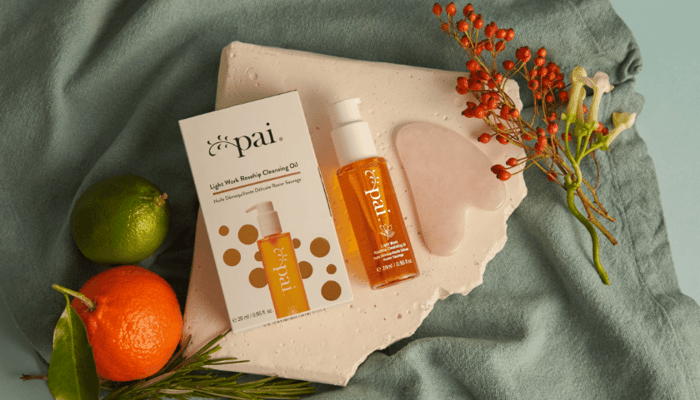
Start with your evening cleanse. If you're wearing makeup, reach for Light Work Rosehip Cleansing Oil to dissolve everything in one gentle step. Follow with your usual serum, facial oil, or moisturiser. The key is creating a smooth base that lets the tool glide without pulling.
For better slip and a bit of luxury, try The Impossible Glow mixed with your evening oil. The golden shimmer absorbs overnight, but the immediate glow effect makes the ritual feel more indulgent.
The technique: pressure, direction, and patience
Hold the curved side of your gua sha against your face. The pressure should be medium on most areas, feather-light around the eyes. Always move upwards and outwards, following your natural bone structure.
Jawline and chin: Start at the centre of your chin. Glide along the jawline up to your ear. This is where many of us hold tension, so take your time. Repeat 5 times on each side.
Cheeks: Place one hand at the side of your nose to anchor the skin. With the other hand, sweep the gua sha from nose to ear, working below the cheekbones. This helps with sinus drainage and can reduce puffiness.
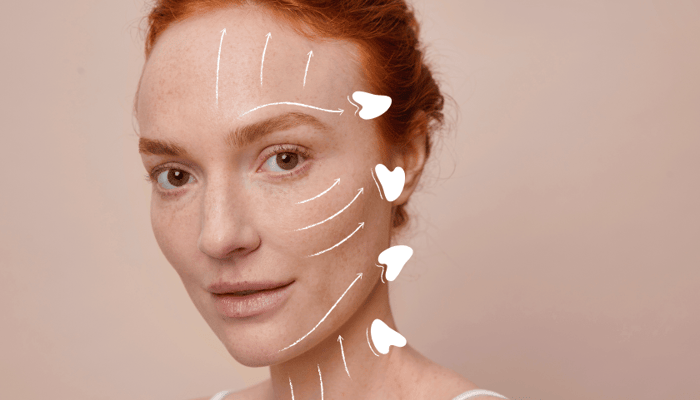
Under eyes: The skin here is tissue-thin. Use the gentlest touch possible. Start at the inner corner and roll outwards to the temple. No dragging, just the weight of the tool itself.
Brow bone: Follow each brow from inner to outer edge, then sweep upwards from the brow to the hairline. When you reach the temples, pause and apply slightly more pressure. Those tension headaches often start here.
Forehead: Hold your brow area taut with one hand. With the other, sweep the gua sha from brow to hairline. Work section by section across your forehead. For the space between your brows, hold the skin taut and work upwards. This area tends to hold frown lines.
Common mistakes to avoid
Going too fast. This isn't a race. Slow, intentional movements work better than quick swipes.
Pressing too hard. Gua sha should never hurt. If you're leaving red marks that last more than a few seconds, ease up.
Neglecting your neck. The lymphatic system extends down your neck. Finish by sweeping downwards from jaw to collarbone to complete the drainage.
Using it on active breakouts. Skip areas with active acne or broken skin. You don't want to spread bacteria or cause irritation.
Making it a habit
The real benefits of gua sha come from consistency. Even three times a week makes a difference. Keep your tool with your cleanser as a visual reminder. After each use, wash it with warm soapy water and pat dry.
Some nights you'll have time for a full 10-minute ritual. Other nights, just working your jawline for 30 seconds before bed helps. Build the habit around your existing routine, not the other way around.
For best results, pair your gua sha practice with lymphatic-supporting habits like staying hydrated and getting quality sleep. You'll notice the difference in how your skin looks when you wake up.
Choosing your tool
Rose quartz, jade, aventurine, stainless steel. The material matters less than the quality and shape. Look for smooth edges with no chips or rough spots. The tool should have multiple edges and curves to work different areas of your face.
If you're ready to start your gua sha practice, our Aventurine Gua Sha Massage Stone is designed with the perfect weight and curves for facial massage. Aventurine is naturally cooling and stays smooth against skin.
Facial muscles hold more tension than most people expect. A gua sha practice helps release it, one gentle stroke at a time.
Frequently Asked Questions
Why do I need to apply oil or moisturiser before using a gua sha?
You need slip on your skin so the tool glides without dragging or pulling at delicate facial tissue. Cleanse first, then apply your serum, facial oil, or moisturiser to create a smooth base. Without that layer of product, you risk tugging the skin, which can cause irritation rather than the drainage and relaxation you're after.
What direction should I move the gua sha on my face?
Always move upwards and outwards, following your natural bone structure. The one exception is your neck: finish by sweeping downwards from jaw to collarbone to complete the lymphatic drainage. Around the eyes, use only the weight of the tool itself with no added pressure, since the skin there is tissue-thin.
How often should I use a gua sha to see results?
Consistency matters more than marathon sessions. Even three times a week makes a noticeable difference to puffiness and tension. Some nights a full 10-minute ritual works; other nights, 30 seconds along the jawline before bed is enough to maintain the habit.
Can gua sha actually reduce puffiness and improve product absorption?
Yes. Gua sha works as a form of manual lymphatic drainage, helping to shift the fluid that pools in your face overnight and causes that familiar morning puffiness. It can also improve product absorption by up to 20%, and the increased blood flow brings fresh oxygen and nutrients to skin cells.